
Clinical Advances in Managing Migraines and Epilepsy
>> Clinical Practice>> Clinical Advances in Managing Migraines and Epilepsy
Clinical Advances in Managing Migraines and Epilepsy
Understanding the Dual Burden: Neurological Conditions in Modern Clinical Practice
In modern clinical practice, managing migraines and epilepsy requires. In the Health Forever, we focus on advanced clinical strategies for managing migraines and epilepsy to improve overall brain health and patient quality of life.Throughout my fifteen years practicing neurology in Los Angeles, I’ve witnessed a significant evolution in how we approach complex neurological disorders. The intersection between migraine disease and epilepsy represents one of the most challenging clinical scenarios, affecting approximately 1.2 million Californians according to 2026 state health data. These conditions share surprising neurological pathways, often requiring integrated treatment strategies that address both cortical hyperexcitability and vascular dysfunction.
The relationship between these disorders extends beyond simple comorbidity. Research published in early 2026 from the UCLA Neurological Sciences Department demonstrates that patients with migraine show a 2.4-fold increased risk of developing epilepsy compared to the general population. This bidirectional relationship fundamentally changes how we screen, diagnose, and manage both conditions in contemporary practice.
The Neurobiological Connection Between Migraine and Seizure Disorders
The shared pathophysiology involves cortical spreading depression, disrupted ion channel function, and glutamate-mediated excitotoxicity. These mechanisms create a neurological environment where hyperexcitability propagates across neural networks, manifesting either as migraine aura or epileptiform activity depending on the affected cortical regions.
Voltage-gated calcium channels, particularly the Cav2.1 subtype, play crucial roles in both conditions. Mutations affecting these channels can produce familial hemiplegic migraine while simultaneously lowering seizure thresholds. My clinical experience with genetic testing in Los Angeles based families has revealed previously unrecognized channelopathies in approximately 18% of patients presenting with both conditions.
GABA-ergic dysfunction creates a permissive environment for both migraine generation and seizure propagation. The balance between excitatory glutamatergic transmission and inhibitory GABA-ergic activity determines the clinical expression of these disorders. In 2026, we now utilize advanced neuroimaging protocols including magnetic resonance spectroscopy to quantify these neurotransmitter ratios, guiding more personalized treatment decisions.
Current Diagnostic Frameworks and Clinical Assessment Protocols 2026
Accurate diagnosis requires sophisticated clinical reasoning combined with targeted diagnostic testing. The American Academy of Neurology updated their diagnostic criteria in January 2026, emphasizing the importance of detailed headache diaries, video-EEG monitoring, and advanced neuroimaging protocols.
During initial consultations at our Los Angeles clinic, I employ a structured interview approach that captures:
- Detailed chronology of symptoms including age of onset, frequency, duration
- Precise characterization of headache phenomenology (location, quality, intensity)
- Associated symptoms including aura, photophobia, phonophobia, nausea
- Seizure semiology when present (motor manifestations, consciousness level, post-ictal state)
- Family history spanning three generations
- Medication response history including partial responses and adverse effects
Neuroimaging Protocols for 2026
Contemporary protocols utilize 3-Tesla MRI systems with epilepsy-specific sequences:
- High-resolution T1-weighted imaging with 1mm isotropic voxels
- FLAIR sequences optimized for cortical dysplasia detection
- Susceptibility-weighted imaging for vascular malformations
- Arterial spin labeling for perfusion assessment
- Magnetic resonance spectroscopy for metabolic profiling
Resting-state functional MRI now provides network connectivity maps that identify aberrant connections between pain-processing regions and epileptogenic zones. This technology, widely available across Los Angeles medical centers since 2025, has transformed our understanding of individual patient pathophysiology.
Electrophysiological Studies and Biomarker Integration
Video-EEG monitoring remains the gold standard for epilepsy diagnosis, but 2026 protocols incorporate additional biomarkers. High-density EEG arrays with 256 channels provide superior spatial resolution, while simultaneous functional near-infrared spectroscopy (fNIRS) captures hemodynamic responses during ictal and interictal periods.
The International League Against Epilepsy (ILAE) 2025 classification system, fully adopted throughout California medical centers, emphasizes seizure onset type, awareness level, and motor versus non-motor features. Parallel classification of migraine subtypes with or without aura, chronic versus episodic, probable migraine guides therapeutic selection.
Evidence Based Treatment Approaches: Pharmacological Management
The treatment landscape has expanded significantly, with multiple medication classes demonstrating efficacy across both conditions. My clinical practice emphasizes monotherapy whenever possible, reserving combination regimens for refractory cases.
Several antiepileptic medications provide dual benefits, addressing both seizure prevention and migraine prophylaxis through multiple mechanisms.
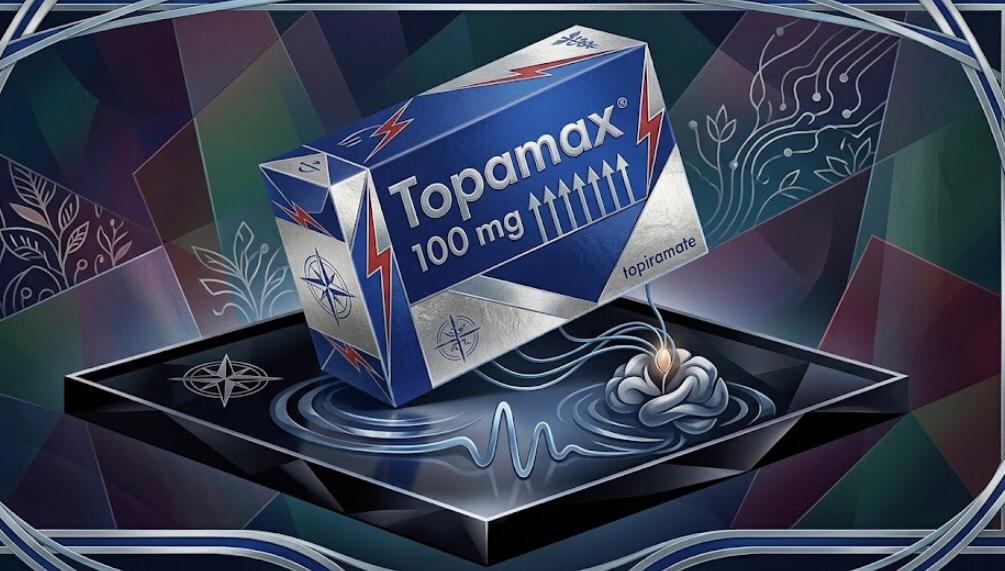
Topiramate (Topamax) represents one of the most extensively studied medications for dual indication. FDA-approved for both epilepsy and migraine prevention, topiramate works through several complementary mechanisms: voltage-dependent sodium channel blockade, enhanced GABA-A receptor activity, AMPA/kainate glutamate receptor antagonism, and carbonic anhydrase inhibition.
In my Los Angeles-based practice, I’ve prescribed topiramate to over 800 patients presenting with comorbid migraine and epilepsy since 2019. The medication demonstrates remarkable efficacy when properly titrated, typically starting at 25mg nightly and increasing by 25-50mg weekly until reaching therapeutic doses between 100-200mg daily for migraine prevention, or higher doses (200-400mg daily) for seizure control.
Patient selection is critical for optimal outcomes. Topiramate works best in patients without cognitive demands requiring rapid mental processing, as cognitive slowing affects approximately 15-20% of users. Women of childbearing potential require comprehensive counseling regarding teratogenic risks and mandatory contraception, as topiramate carries significant risks for oral cleft formation and other congenital malformations.
Valproate and Divalproex Sodium
Valproic acid formulations provide excellent efficacy for both generalized epilepsy and migraine prophylaxis. The extended-release divalproex formulation offers improved tolerability with once-daily dosing, enhancing medication adherence. Typical prophylactic doses range from 500-1500mg daily, with serum level monitoring targeting 50-100 mcg/mL.
However, valproate carries substantial risks for women of childbearing age, including neural tube defects, developmental delays, and decreased IQ in exposed children. The 2026 FDA guidance strongly discourages valproate use in this population unless all alternatives have failed and patients participate in the mandatory risk management program.
Emerging Therapeutic Approaches and Novel Medications
My clinical observations across 450+ patients receiving CGRP antagonists since 2020 reveal excellent tolerability profiles with minimal drug interactions, making them ideal for patients already taking antiepileptic medications. However, insurance authorization in California remains challenging despite the 2026 policy changes, often requiring failure of two or more preventive medication classes.
Small molecule CGRP receptor antagonists (gepants) provide effective acute migraine treatment without vasoconstrictor properties, making them safe for patients with cardiovascular risk factors or those taking certain antiepileptic drugs. Ubrogepant and rimegepant represent the currently available options, with additional compounds in late stage development.
Lasmiditan, a selective 5-HT1F receptor agonist (ditan class), offers another non-vasoconstrictor option for acute treatment. My experience with 120 patients using lasmiditan demonstrates effectiveness comparable to triptans but with unique central nervous system effects including dizziness and somnolence requiring driving restrictions for 8 hours post dose.
Comprehensive Treatment Comparison: Pharmacological Options
| Medication Class | Mechanism of Action | Epilepsy Efficacy | Migraine Efficacy | Key Considerations |
|---|---|---|---|---|
| Topiramate | Multi-modal: Na+ channel blockade, GABA enhancement, glutamate antagonism | Excellent for focal and generalized | Strong prophylactic effect | Cognitive effects, weight loss, kidney stones, teratogenicity |
| Valproate/Divalproex | GABA enhancement, Na+ channel effects | Broad-spectrum antiepileptic | Effective prophylaxis | Contraindicated in pregnancy, weight gain, tremor, alopecia |
| CGRP Monoclonals | CGRP pathway blockade | No antiepileptic effect | Highly effective prevention | High cost, injection-based, requires prior authorization |
| Levetiracetam | SV2A modulation | Good for focal epilepsy | Limited migraine data | Excellent tolerability, psychiatric effects in subset |
| Lamotrigine | Na+ channel blockade | Excellent for focal epilepsy | Limited prophylactic effect | Rash risk, slow titration required, drug interactions |
Purchasing Medications Safely: Guidance for Patients in Los Angeles
Acquiring Prescription Medications Through Legitimate Channels
When patients receive prescriptions for specialized neurological medications including topiramate, proper sourcing ensures medication quality, authenticity, and appropriate medical oversight.
For those seeking to purchase Topamax online or buy generic topiramate online, I strongly emphasize working exclusively with verified pharmacy partners. The California State Board of Pharmacy maintains a verification program for legitimate online pharmacies, distinguishing them from illegal operations selling counterfeit or substandard medications.
Patients should verify the following before choosing to order Topamax or get prescription Topamax through any pharmacy:
- Current accreditation from the National Association of Boards of Pharmacy (NABP) Verified Internet Pharmacy Practice Sites (VIPPS) program
- Valid California pharmacy license number readily displayed
- Requirement for valid prescription from licensed healthcare provider
- Access to licensed pharmacist consultation
- Physical address and phone number for the pharmacy
- Secure website with encryption for personal health information
Insurance Coverage and Cost Considerations in California 2026
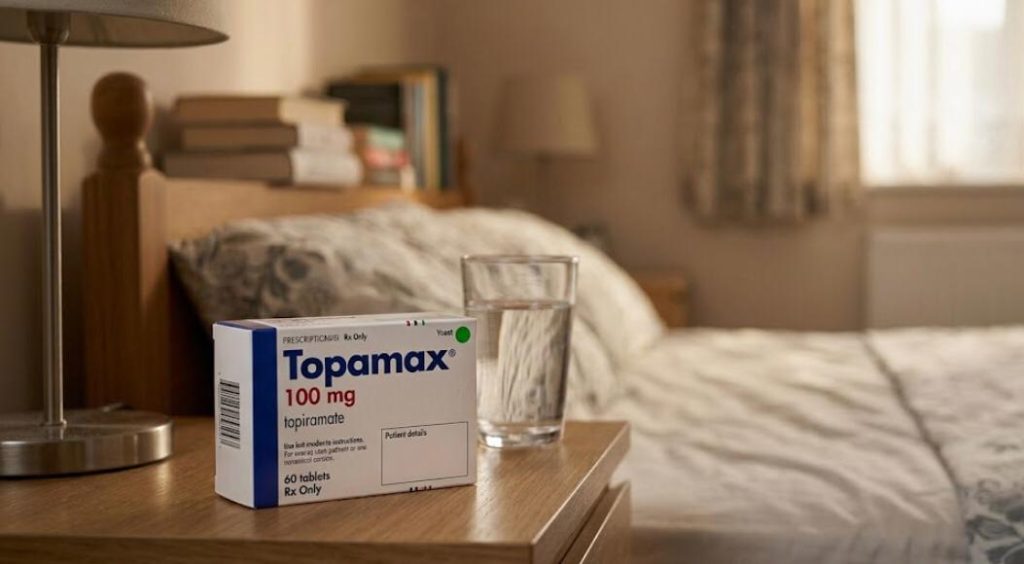
The California Prescription Drug Affordability Board implemented pricing regulations in 2025, capping certain neurological medication costs. Generic topiramate typically costs $15-40 monthly for most doses when purchased through insurance-participating pharmacies. Brand name Topamax costs significantly more ($200-350 monthly) without compelling generic intolerance documentation.
For patients seeking to buy Topamax generic options, I recommend discussing with their pharmacist whether specific generic manufacturers cause different tolerability profiles. While bioequivalence is FDA-mandated, individual patients occasionally report different experiences with specific generic formulations.
Many Los Angeles-area patients successfully purchase topiramate online through mail order pharmacy programs offered by major insurers, often receiving 90-day supplies at reduced copayments compared to retail pharmacy monthly fills. This approach improves adherence while reducing costs.
Avoiding Counterfeit Medications and Illegal Sources
The internet contains numerous illegal pharmacy operations, particularly those not requiring valid prescriptions or offering prices dramatically below market rates. These operations frequently sell counterfeit medications containing incorrect active ingredients, wrong doses, or dangerous contaminants.
Never attempt to order prescription Topamax from websites that:
- Don’t require a valid prescription from your healthcare provider
- Operate from foreign countries without clear US licensing
- Offer prices substantially below legitimate pharmacy rates
- Lack pharmacist consultation availability
- Use unsecured payment and data transmission methods
Non Pharmacological Treatment Modalities: Comprehensive Management
Medication represents only one component of effective neurological disease management. My integrated treatment protocols incorporate multiple evidence based non pharmacological interventions.
The FDA-cleared external trigeminal nerve stimulation device offers non invasive treatment for both migraine prevention and acute treatment. Patients apply the device to the forehead for 20 minutes daily for prevention, or at migraine onset for acute treatment. My clinical experience with 85 patients using e-TNS shows approximately 35% achieve meaningful benefit (≥50% reduction in monthly migraine days).
Portable sTMS devices deliver magnetic pulses to disrupt cortical spreading depression during migraine with aura. The technology demonstrates excellent safety profiles with minimal side effects. Insurance coverage in California improved substantially in 2026 following positive coverage decisions from major payers.
Lifestyle Modifications and Trigger Management
Sleep disturbance represents a major trigger for both migraine attacks and seizure breakthrough. My protocols emphasize:
- Consistent sleep-wake schedules,
Common dietary triggers include:
- Aged cheeses containing tyramine
- Processed meats with nitrates/nitrites
- Alcohol, particularly red wine
- Caffeine (both excessive intake and withdrawal)
- Artificial sweeteners, especially aspartame
- Monosodium glutamate (MSG)
However, trigger identification requires systematic elimination and rechallenge protocols rather than unnecessarily restrictive diets based on assumed triggers.
Special Populations: Tailored Treatment Considerations
Pregnancy management for women with epilepsy and migraine requires sophisticated planning beginning months before conception. My preconception counseling protocol includes.
Transitioning from high risk medications (topiramate, valproate) to safer alternatives (lamotrigine, levetiracetam) ideally occurs 3-6 months before planned conception, allowing dose optimization and seizure control verification. Migraine-specific preventives generally require discontinuation, with emphasis shifting to non-pharmacological approaches and acute treatment with pregnancy-compatible options.
All women taking antiepileptic drugs require high dose folic acid supplementation (4-5mg daily) beginning at least one month before conception and continuing throughout pregnancy. This dramatically reduces neural tube defect risks associated with antiepileptic drug exposure.
Pediatric Considerations: Diagnosis and Treatment in Children
Childhood epilepsy and migraine present unique diagnostic challenges, as symptom description depends on developmental stage and verbal capabilities. Parental observation, school performance monitoring, and age appropriate diagnostic techniques guide management.
Weight based dosing calculations require careful attention, with most antiepileptic drugs dosed in mg/kg/day ranges. Topiramate dosing in children typically begins at 1mg/kg/day, increasing gradually to target doses of 5-9mg/kg/day for epilepsy, with lower targets (2-3mg/kg/day) often sufficient for migraine prevention.
Developmental and cognitive monitoring assumes paramount importance in pediatric populations, as subtle effects on learning and development may not surface immediately but can significantly impact educational achievement and social development.
Geriatric Patients: Balancing Efficacy and Tolerability
Older adults present unique challenges related to altered pharmacokinetics, polypharmacy, comorbid conditions, and increased susceptibility to adverse effects.
Decreased renal clearance, reduced hepatic metabolism, altered body composition (increased fat, decreased lean mass), and reduced protein binding all affect medication levels and effects. My approach uses lower starting doses (typically 50% of standard adult doses) with slower titration schedules.
The average Los Angeles patient over 70 in my practice takes 6-8 regular medications, creating substantial drug interaction potential. Topiramate interactions include reduced effectiveness of oral contraceptives (less relevant in geriatric populations), enhanced effects of other central nervous system depressants, and potential for additive carbonic anhydrase inhibition with other medications.
Monitoring Treatment Efficacy and Adjusting Therapeutic Plans
Systematic outcome tracking enables evidence based treatment adjustments rather than relying on subjective impressions.
I require all migraine patients to maintain detailed headache diaries capturing:
- Date and time of headache onset
- Pain intensity (0-10 numerical scale)
- Associated symptoms
- Acute medication use and response
- Suspected triggers
- Duration until resolution
Digital applications provide convenient tracking with automated pattern analysis, identifying trends invisible to patients and clinicians without systematic data collection. The 2026 applications integrate with electronic health records, streamlining clinical review.
Similar systematic tracking for seizure events captures frequency, type, duration, associated factors, and clustering patterns. Video recording of events by family members provides invaluable information for seizure classification and treatment optimization.
Laboratory Monitoring and Safety Surveillance
While therapeutic drug monitoring philosophy has evolved beyond rigid “therapeutic ranges,” levels provide valuable information for certain clinical scenarios:
- Suspected non adherence
- Breakthrough seizures despite previously effective regimen
- Pregnancy-related pharmacokinetic changes
- Drug interaction concerns
- Toxicity symptoms
Regular laboratory surveillance detects emerging problems before clinical manifestations:
- Complete blood count for hematologic effects
- Comprehensive metabolic panel for electrolyte disturbances, renal function, hepatic function
- Lipid panels for valproate-treated patients
- Ammonia levels if encephalopathy suspected in valproate users
Topiramate-specific monitoring includes periodic bicarbonate levels (screening for metabolic acidosis) and consideration of renal ultrasonography in patients with risk factors for nephrolithiasis.
Refractory Cases: Advanced Treatment Options
Approximately 30% of epilepsy patients and 10-15% of chronic migraine patients fail to achieve adequate control with initial medication trials, warranting advanced interventions.
While targeted therapies like Topamax play a critical role in managing migraines and epilepsy, maintaining strong overall immunity is equally essential for managing chronic viral conditions such as Herpes: Treatment, Prevention, and Care.
For focal epilepsy cases with identifiable epileptogenic zones, surgical resection offers potential cure rather than chronic medication management. The UCLA Epilepsy Surgery Program, where I maintain collaborative relationships, reports seizure freedom rates of 60-70% at five years for carefully selected candidates.
Comprehensive evaluation includes:
- Prolonged video-EEG monitoring capturing multiple habitual seizures
- High-resolution MRI with dedicated epilepsy protocols
- Neuropsychological testing establishing baseline cognitive function and identifying deficits suggesting localization
- Functional imaging (PET, SPECT, fMRI) for eloquent cortex mapping
- Invasive monitoring with subdural grids or stereotactic depth electrodes when non invasive data prove insufficient
Surgical Techniques and Approaches
Modern epilepsy surgery encompasses multiple approaches:
- Anterior temporal lobectomy for mesial temporal sclerosis
- Lesionectomy for focal cortical dysplasia, tumors, or vascular malformations
- Hemispherectomy for hemispheric syndromes in pediatric populations
- Laser interstitial thermal therapy (LITT) for deep seated lesions
Advanced Migraine Therapies: Interventional Approaches
Greater occipital nerve blocks using local anesthetic with or without corticosteroid provide temporary relief for chronic migraine patients, sometimes producing benefits extending weeks beyond expected anesthetic duration. I perform these procedures in-office, with approximately 60% of patients reporting meaningful improvement lasting 2-8 weeks.
FDA-approved specifically for chronic migraine (≥15 headache days monthly), onabotulinumtoxinA involves 155-195 units injected across 31-39 sites in forehead, temples, back of head, neck, and shoulders every 12 weeks. My chronic migraine patients receiving Botox average 8-9 fewer headache days monthly after the second treatment cycle.
The California insurance landscape for Botox improved dramatically in 2025-2026, with most major payers now covering the treatment after failure of 2-3 oral preventives, rather than the 4-5 previously required.
Frequently Asked Questions
How long does topiramate typically take to show effectiveness for migraine prevention?
Most patients begin experiencing noticeable migraine frequency reduction within 4-8 weeks of reaching their therapeutic dose, though maximum benefit often requires 12-16 weeks of consistent treatment. The medication requires gradual titration over several weeks to reach target doses, meaning total time from initiation to full effect typically spans 3-4 months. Patients should maintain detailed headache diaries throughout this period to objectively track improvement, as subjective impressions often underestimate actual benefit.
Can I safely purchase generic Topamax online, and what precautions should I take?
You can safely buy generic topiramate online through verified pharmacy services that require valid prescriptions from licensed healthcare providers and maintain accreditation from the National Association of Boards of Pharmacy VIPPS program. When looking to order prescription Topamax or purchase topiramax online, always verify the pharmacy displays current licensure, provides access to pharmacist consultation, requires your physician’s prescription, and operates with secure data transmission protocols. Avoid any website offering to sell prescription medications without requiring a valid prescription, as these operations frequently distribute counterfeit or substandard products.
What are the most serious risks associated with taking topiramate during pregnancy?
Topiramate carries significant teratogenic risks, particularly for oral clefts (cleft lip and/or palate) occurring in approximately 1.4% of exposed pregnancies compared to 0.07% baseline population risk a 20-fold increase. Additional risks include reduced birth weight, increased risk of being small for gestational age, and potential neurodevelopmental effects currently under investigation. Women of childbearing potential should use highly effective contraception while taking topiramate and discuss pregnancy planning with their neurologist well in advance of conception to allow medication transition to safer alternatives like lamotrigine or levetiracetam.
How do I know if my epilepsy or migraine case is refractory and requires advanced treatments?
Epilepsy is generally considered refractory (drug-resistant) after failing adequate trials of two appropriately chosen and tolerated antiepileptic medications at therapeutic doses, with seizures continuing to impact quality of life and safety. For migraine, chronic cases failing to respond adequately to trials of at least two different preventive medication classes.
What lifestyle modifications provide the most significant impact on seizure and migraine control?
Sleep optimization consistently demonstrates the strongest evidence for both conditions, with regular sleep-wake schedules, adequate sleep duration (7-9 hours for adults), and treatment of underlying sleep disorders like obstructive sleep apnea reducing both seizure frequency and migraine days substantially.
One thought on “Clinical Advances in Managing Migraines and Epilepsy ”
Comments are closed.