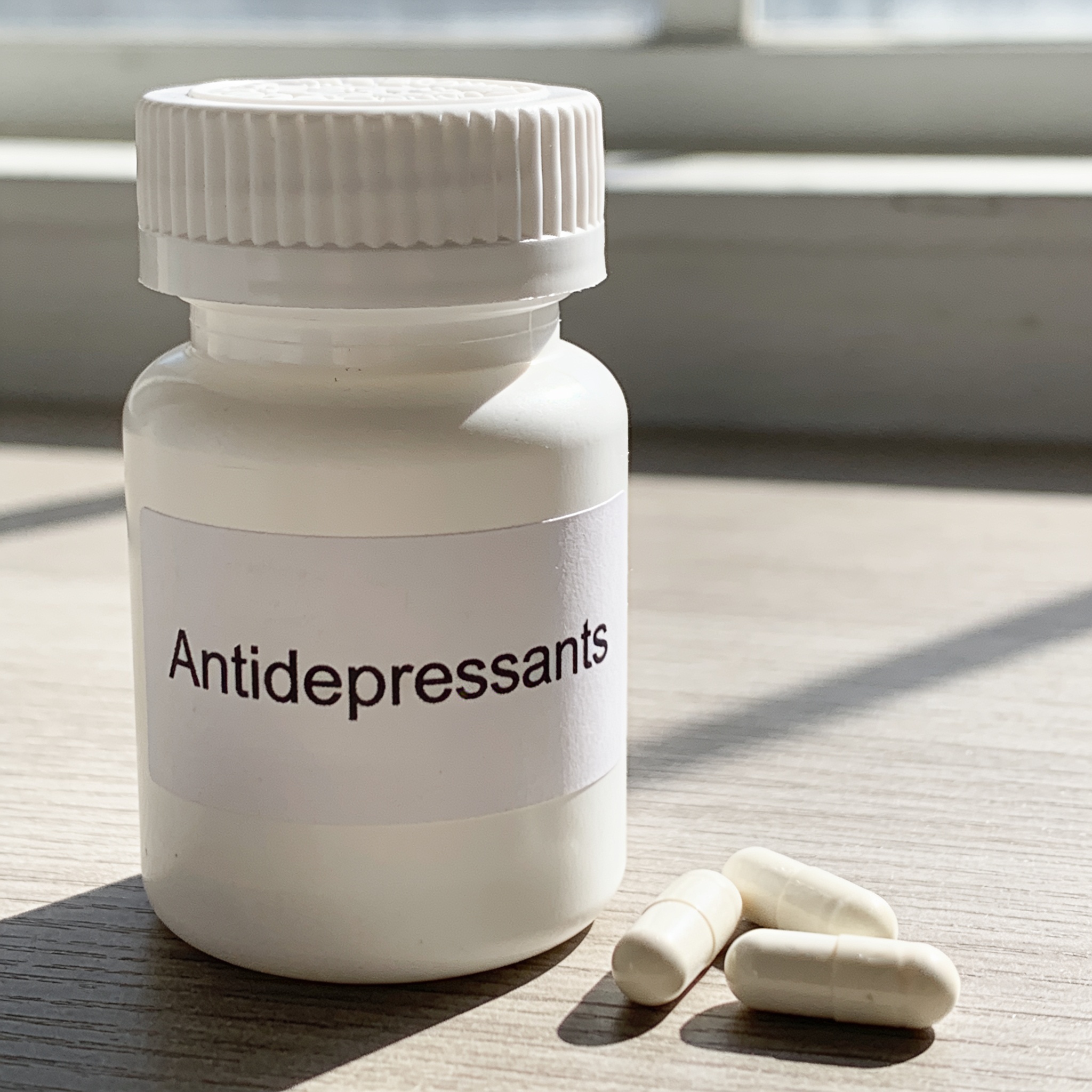

Anxiety Disorders and Mental Wellness Guide
>> Anxiety Disorder>>Mental Wellness>> Anxiety Disorders and Mental Wellness Guide
Anxiety Disorders and Mental Wellness Guide
Anxiety disorders are among the most common mental health conditions, yet they remain widely misunderstood. Effective care starts with an accurate diagnosis, an understanding of how symptoms affect daily function, and a treatment plan developed with a qualified clinician. This 2026 guide summarizes current evidence on anxiety disorders and mental well being, with practical context for readers in Los Angeles.
I also publish patient education on my medical blog healthforeverplus.com, where readers ask many of the same questions I hear in the exam room. The most common one is whether supplements, breathing apps, or wellness routines can substitute for treatment. My position is consistent in both settings: self care routines can support recovery, but they do not diagnose an anxiety disorder and they do not replace psychotherapy or appropriately prescribed medication.
A pattern worth naming
A recurring sequence in this city involves self treatment before evaluation. A patient sleeps poorly, adds caffeine to function, uses cannabis at night to quiet the mind, then drinks alcohol on weekends to stay social. Within a few months the anxiety is worse, sleep architecture is disrupted, and the original problem is buried under three new ones. Sorting that out is often the first clinical task, not the last.
2026 Clinical Landscape for Anxiety and Mental Health in Los Angeles
Care for anxiety in 2026 reflects several converging trends that shape how patients are assessed and treated. Health systems now emphasize integrated, measurement-based care. Primary care, behavioral health, and when appropriate, complementary services coordinate, track symptoms over time, and adjust the plan rather than relying on a single visit. Clinicians often use validated measures such as the GAD-7 for anxiety and PHQ-9 for depression to monitor change. These tools do not diagnose by themselves.
A typical pattern I discuss with readers is a working adult who reports months of worry, trouble sleeping, and avoidance of meetings or social events. On intake, worry is present more days than not, concentration is reduced, and muscle tension is frequent. Rather than labeling this as stress, a clinician explores duration, impact, and alternative explanations before recommending treatment.
Telehealth and Digital Tools: Benefits and Limits
Teletherapy and structured digital CBT programs have expanded access in California. Quality varies. An app cannot rule out a medical cause for chest discomfort or determine whether symptoms meet criteria for a specific anxiety disorder. Anyone using digital tools should check the provider’s California licensure, privacy practices, and whether the program is designed for the condition being treated.
Wait times and coverage differ by neighborhood and insurer. In Los Angeles County, options may include primary care, community mental health centers, university clinics, and private practices offering in person or telehealth visits. Confirm that any clinician is licensed in California and authorized to provide care in your location.
Understanding Anxiety Disorders: Beyond Everyday Stress

Anxiety is a normal response to threat. An anxiety disorder involves fear or worry that is persistent, excessive, difficult to control. Diagnosis under DSM-5-TR depends on the pattern, duration, and impairment not on a single symptom score. Clinicians consider how long symptoms have been present, how often they occur, and how they affect work, school, relationships, and daily activities.
Most anxiety disorders involve a combination of cognitive, physical, and behavioral features: persistent worry or fear, physical arousal such as rapid heart rate or restlessness, and avoidance or safety behaviors that provide short term relief but maintain the problem over time
Generalized anxiety disorder is characterized by excessive anxiety and worry about multiple domains, occurring more days than not for at least six months, with difficulty controlling the worry and associated symptoms such as restlessness, fatigue, concentration problems, irritability, muscle tension, or sleep disturbance.
Panic Disorder, Social Anxiety, and Specific Phobias
- Panic disorder: Recurrent unexpected panic attacks followed by at least a month of persistent concern about additional attacks or meaningful change in behavior related to the attacks.
- Social anxiety disorder: Marked fear of social or performance situations where scrutiny is possible.
- Specific phobia: Intense fear of a particular object or situation, such as flying, heights, or animals.
- Agoraphobia: Fear or avoidance of situations where escape might be difficult or help unavailable if panic-like symptoms occur.
How Panic Differs From Other Episodes
Panic attacks peak within minutes and can include palpitations, sweating, trembling, shortness of breath, chest discomfort, nausea, dizziness, chills or heat, numbness or tingling, feelings of unreality, and fear of losing control or dying. Similar symptoms can occur with medical conditions, so new or severe symptoms need medical assessment.
Anxiety and Overall Mental Well-Being
Anxiety affects sleep, attention, decision-making, and physical comfort. Some people push through while feeling exhausted; others gradually avoid more situations. Over time, avoidance can narrow routines and increase distress. A useful treatment goal is not to eliminate all anxiety, but to reduce excessive fear and avoidance so a person can re-engage with valued activities.
A college student who stops using public transit after a panic like episode may initially feel relief. Weeks later, missed classes and isolation affect mood and grades. A clinician would address the panic history, co-occurring mood symptoms, and functional impact before planning treatment.
Assessment: Getting the Right Diagnosis First
Accurate assessment prevents mismatched treatment. A clinician will ask about onset, frequency, triggers, duration, prior treatment, substance use including caffeine, nicotine, alcohol, and cannabis, medications and supplements, sleep, medical history, and family history. A clinical interview remains central. Brief measures like the GAD-7 provide a snapshot of severity and help track progress. They are not diagnostic alone.
Medical Conditions That Can Mimic Anxiety
Thyroid dysfunction, cardiac rhythm issues, asthma, vestibular problems, and effects of medications or substances can produce symptoms that feel like anxiety. Depending on presentation, a clinician may coordinate with primary care for appropriate medical evaluation. New, severe, or changing symptoms should not be assumed to be anxiety.
Chest pain, fainting, severe trouble breathing, or sudden neurological symptoms warrant urgent medical evaluation. A symptom timeline, list of current prescriptions and supplements, sleep and substance use patterns, and notes on what helps or worsens symptoms can make the visit more productive. In Los Angeles, many clinics also ask about recent stressors, work schedules, and transportation barriers that affect follow-up.
Evidenced Based Treatment for Anxiety Disorders
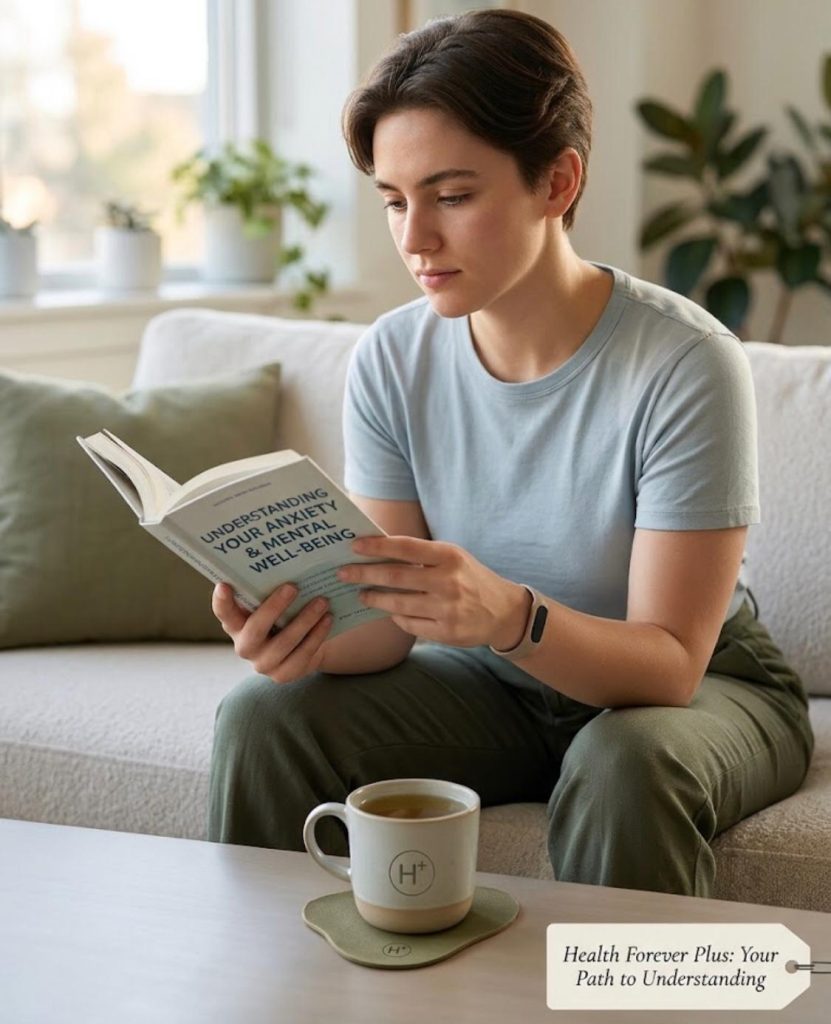
No single plan fits everyone. Evidence based care considers the specific disorder, severity, preferences, prior response, co occurring conditions, and access. Psychotherapy helps people understand the fear avoidance cycle and practice alternative responses. Cognitive Behavioral Therapy has the strongest evidence across several anxiety disorders. For panic, it often includes education about the physiology of panic, cognitive strategies for catastrophic thoughts about physical sensations, and inter oceptive exposure deliberate, supervised practice approaching feared sensations. For phobias and social anxiety, it may involve graded in vivo exposure to avoided situations.
Therapy involves structured practice, not just discussion. Patients and clinicians set specific goals, rehearse skills, and review progress. Consistency and follow up matter more than a single technique. Depending on the disorder and patient preference, clinicians may consider other approaches such as acceptance and commitment therapy. The choice should be based on the person’s diagnosis and the clinician’s training, not on broad claims that any therapy works for every anxiety problem.
Medication Considerations and Shared Decision Making
Medication decisions are individualized and made with a prerciber who knows the person’s full history. For many adults with persistent generalized anxiety, selective serotonin reuptake inhibitors and serotonin norepinephrine reuptake inhibitors are considered first line pharmacologic options when medication is indicated, due to efficacy and suitability for longer term use. Benefits, side effects, interactions, and follow up are discussed before starting and during treatment. Since mental wellness and digestive health are deeply interconnected, these two posts together offer a comprehensive approach to overall well-being
Patients should not use another person’s prescription, share medication, or start, stop, or change a dose based on an article. Abrupt changes can cause harm, particularly with certain medication classes.
Lifestyle and Prevention Strategies That Support Treatment
Daily habits support but do not replace professional care when symptoms are persistent.
- Keep a consistent sleep wake schedule
- Engage in regular physical activity as cleared by your medical provider
- Track caffeine, nicotine, alcohol, and cannabis use and discuss effects with your clinician
- Build supportive routines and social connection where possible
- Practice coping skills taught by your clinician, and discuss if a skill increases distress
These steps are not a cure, but they can make formal treatment easier to follow.
Comparing Treatment and Prevention Approaches
Normal Anxiety vs. Anxiety Disorders
| Feature | Normal Anxiety | Anxiety Disorder |
|---|---|---|
| Trigger | Proportionate to a stressor | Often excessive relative to actual threat, persistent |
| Duration | Brief, resolves after stressor passes | Weeks to months, more days than not for GAD |
| Control | Generally manageable | Difficult to control, unwanted |
| Impact | Little to no functional impairment | Impairs work, school, relationships, or daily tasks |
| Next step | Self-management, monitoring | Clinical assessment to determine diagnosis and plan |
Valium Diazepam: Medical Role, Risks, and Safe Access in California
This section provides general information about a prescription only medication. It is not a recommendation to use it.Valium is a brand name for diazepam, a benzodiazepine that enhances the effect of gamma aminobutyric acid, the brain’s main inhibitory neurotransmitter, at GABA-A receptors. It is a Schedule IV controlled substance under federal law. Diazepam has a long half life and active metabolites, which affects how long its effects last and the risk of accumulation.
FDA-Approved Uses
In the United States, Diazepam is FDA-approved for a number of uses in adults, including the treatment of anxiety disorders, the short term relief of anxiety symptoms, and as an adjunct in the management of conditions such as acute alcohol withdrawal, muscle spasms, and seizure disorders. The decision to prescribe the medication is made by a physician, based on specific clinical indications, the patient’s medical history, and any concurrent treatments. It is not uncommon for patients to enter search queries such as buy Valium 10 mg online into search engines. Such search queries are expected to lead to an option for easily placing an order through an online pharmacy.
Risks and Boxed Warning Information
All benzodiazepines, including diazepam, carry a FDA boxed warning. Key risks include:
- Abuse, misuse, and addiction even when taken as prescribed
- Physical dependence and withdrawal reactions that can be severe and life threatening, including seizures if stopped abruptly after regular use
- Profound sedation, respiratory depression, coma, and death when combined with opioids, alcohol, or other central nervous system depressants
- Impairment of driving, cognition, and coordination; increased risk of falls, especially in older adults
- Potential for tolerance and the need for careful reassessment of benefits and risks over time
- Risks in pregnancy and breastfeeding and for people with respiratory conditions, liver impairment, sleep apnea, or history of substance use disorder

Anti epileptic and anxiolytic medications also carry other class warnings that a prescriber and pharmacist review. Anyone prescribed diazepam needs a clear plan for duration, monitoring, safe storage, and discontinuation through a gradual taper when indicated. Never change the dose or stop abruptly without the prescriber.
Safe Prescription Access: How to Buy Valium Online Legally and Safely
People sometimes search for buy Valium online, order Diazepam or get Valium without prescription because of cost, stigma, or appointment delays. California and federal law are clear: BuyValium and generic Diazepam require a valid prescription from a licensed prescriber after an appropriate clinical evaluation, and dispensing must be by a licensed pharmacy. There is no legal way to obtain it in the US without a prescription.
What Legitimate Access Looks Like in California
- A real clinical evaluation by a physician, psychiatrist, nurse practitioner, or other authorized prescriber licensed in California, in person or via a compliant telehealth visit that meets current state and federal rules for controlled substances.
- A valid prescription sent to a licensed pharmacy. California uses the CURES prescription drug monitoring program for controlled substances.
- A verified pharmacy that provides access to a licensed pharmacist, a verifiable US address and phone number, and requires a prescription. People looking to buy Valium online should verify the pharmacy through the California State Board of Pharmacy license search and the National Association of Boards of Pharmacy Safe Pharmacy, pharmacy verification programs. The FDA BeSafeRx program provides guidance on identifying lawful online pharmacies.
- Pharmacist counseling on interactions, side effects, alcohol avoidance, driving precautions, and safe storage and disposal. Keep medication in its original labeled container and do not share it.
Red Flags for Illegal Online Sellers
Avoid any site or social-media seller that:
- Offers to sell Valium without a prescription or after only a brief questionnaire with no clinician evaluation
- Lacks a verifiable physical address and pharmacist contact
- Advertises unusually low prices, bulk discounts, or cryptocurrency payment
- Ships from outside the US or uses unmarked packaging
- Pressures quick payment for “overnight” controlled substances
Illegal online pharmacies frequently distribute counterfeit tablets. In the US, counterfeit benzodiazepine tablets have been found to contain fentanyl and other potent substances that cause overdose deaths.
Ask your prescriber and pharmacist about generic Diazepam, insurance formulary options, and legitimate discount or assistance programs. If telehealth is used, confirm that it involves a genuine clinician patient relationship under current DEA and California rules, not simply a form that generates a prescription.
Our clinic’s role: As a health information blog and community resource in Los Angeles, we do not prescribe, sell, or dispense Valium or any controlled substance. We provide education and can help you prepare questions for your medical provider.
Building Mental Well Being Beyond Symptom Control
Mental well being involves more than the absence of symptoms. It includes sleep, daily routines, supportive relationships, meaning, and the ability to handle setbacks.
Practical Well-Being Strategies
Consider small, repeatable practices rather than an all or nothing routine: a brief daily walk if medically appropriate, a regular wind-down period before sleep, limiting late night screen time, noting worry patterns, and planning gradual steps toward avoided activities with your therapist. At work or school, reasonable adjustments such as breaking tasks into smaller steps can reduce avoidance while treatment continues.
Some readers consider acupuncture or other complementary services for general well being. Evidence for acupuncture for anxiety disorders is limited and mixed, and it should not replace assessment, psychotherapy, or medication when indicated. If you consider a complementary service, confirm the practitioner’s California license, use of sterile single use needles, and willingness to coordinate with your medical team with your permission. Do not stop prescribed medication based on complementary care.
Note what improves, what does not, and any side effects or new symptoms. Share this information at follow up. Measurement-based tracking helps you and your clinician make timely adjustments.
Frequently Asked Questions
What is the difference between normal worry and an anxiety disorder?
Normal worry is brief and proportionate to a stressor, while an anxiety disorder involves persistent, excessive fear or worry that is difficult to control and impairs daily life. Duration, difficulty controlling the worry, and functional impact distinguish the two and guide whether clinical assessment is needed.
What treatments for anxiety disorders have the strongest evidence in 2026?
Cognitive behavioral therapy, including exposure when indicated for the specific disorder, has the strongest evidence, and medication such as SSRIs or SNRIs may be considered when clinically appropriate. The best plan is individualized and developed with a qualified clinician who knows the person’s history and preferences.
Can I buy Valium online safely in Los Angeles in 2026, and how do I do it legally?
You can legally obtain Valium in Los Angeles only with a valid prescription from a licensed prescriber, filled by a licensed, verified pharmacy. To purchase Valium online safely, ensure the pharmacy requires a prescription, is licensed in California, and can be verified through the California State Board of Pharmacy and NABP Safe Pharmacy resources, and avoid any site that offers to sell or let you order Valium without a prescription because it is illegal and risks counterfeit pills that may contain fentanyl.
Are anxiety medications addictive or difficult to stop?
Some medications used for anxiety, particularly benzodiazepines like diazepam, carry risks of physical dependence and withdrawal and should never be stopped abruptly without prescriber guidance. A prescriber can explain risks, expected duration, monitoring, and a safe tapering plan if discontinuation is appropriate.
How does a Los Angeles clinic like HealthyLifestyleTea support mental well-being?
A health education resource supports well-being by providing accurate information, encouraging timely professional evaluation, and helping readers prepare for appointments, not by diagnosing or prescribing. For care, readers should contact a California-licensed primary care clinician, psychiatrist, psychologist, or licensed therapist, and use crisis resources such as 988 if needed.
Related Post
Managing Chronic Pain: The Clinical Reality of Reliever
Chronic pain is a persistent, complex condition defined by pain that lasts beyond the typical…