
Herpes: Treatment, Prevention, and Care
>> Herpes>> Herpes: Treatment, Prevention, and Care
Herpes: Treatment, Prevention, and Care
What Every Patient Should Know in 2026
Herpes simplex virus (HSV) infection remains one of the most prevalent sexually transmitted and skin contact viral conditions worldwide. According to the World Health Organization’s most recent surveillance data, an estimated 3.7 billion people under age 50 carry HSV-1 globally, while HSV-2 affects approximately 491 million individuals aged 15-49. Despite this staggering prevalence, misconceptions, stigma, and gaps in treatment access continue to shape how patients experience and cope with their diagnosis.For more comprehensive guides on managing herpes and viral conditions, visit Health Forever.
In my clinical practice in Los Angeles, California, I have evaluated and managed herpes cases across a remarkably diverse patient population: adolescents experiencing a primary outbreak for the first time, adults navigating disclosure with new partners, immunocompromised patients on biologic therapies, and elderly individuals dealing with reactivation after decades of viral dormancy.
Understanding the Herpes Simplex Virus
Transmission Pathways
- HSV-1 is primarily transmitted through oral contact kissing, sharing utensils, or skin to skin facial contact. It can also cause genital herpes through oral-genital contact.
- HSV-2 spreads predominantly through genital mucosa contact and is the most common cause of recurrent genital herpes.
After initial infection, herpes simplex virus travels along sensory nerve fibers and establishes permanent latency in the dorsal root ganglia. This is the biological reason why the virus cannot be eradicated with current antiviral medications it hides from immune surveillance in neuronal tissue. What antivirals accomplish is suppression of viral replication, reduction of outbreak frequency, and significant decrease in asymptomatic viral shedding.
Clinical Presentation Spectrum
| Feature | HSV-1 (Oral/Genital) | HSV-2 (Genital) |
|---|---|---|
| Primary outbreak severity | Moderate to severe | Often severe, systemic |
| Recurrence frequency | 1–2 times/year average | 4–6 times/year average |
| Asymptomatic shedding rate | Lower | Higher |
| Risk of neonatal transmission | Lower (oral) | Higher (genital) |
| Psychosocial impact | Moderate | Significant |
Why Recurrence Happens

Viral reactivation is triggered by identifiable stressors UV exposure, febrile illness, emotional stress, hormonal fluctuations, immunosuppression, or even minor skin trauma. One of my patients, a 34 year-old female marathon runner in Pasadena, experienced predictable outbreaks after every major race event due to combined physiological stress and UV exposure. After adjusting her suppressive therapy schedule and implementing targeted lifestyle modifications, her outbreak frequency dropped from six per year to one. Managing lifestyle factors, including alcohol consumption and stress, plays a critical role in preventing recurrent outbreaks see our Alcohol Dependency Treatment Guide.
Diagnosing Herpes Accurately in 2026
Even experienced clinicians misidentify herpes lesions in up to 20% of cases when relying solely on visual examination. Lesions may present atypically without the classic grouped vesicular pattern particularly in immunocompromised individuals, in early-stage infection, or in areas with mixed flora (e.g., perianal region).
Current Diagnostic Gold Standard
As of 2026, nucleic acid amplification testing (NAAT) specifically polymerase chain reaction (PCR) from swab samples of active lesions remains the most sensitive and specific diagnostic method. PCR has largely supplanted viral culture due to superior detection rates, especially in lesions that are healing or ulcerated.
Serological Testing: When It’s Appropriate
Type-specific serological assays (HSV IgG antibody testing) are valuable in specific contexts:
- Evaluating a patient with no active lesion but a reported history of symptoms
- Screening in serodiscordant couples (one partner infected, one not)
- Pre-pregnancy counseling and neonatal risk assessment
- Ruling out prior exposure in immunocompromised patients before initiating immunosuppressive therapy
I routinely order HSV-2 IgG as part of comprehensive STI panels for sexually active patients in my Los Angeles clinic, particularly for individuals who present with recurrent genital symptoms but have never received a laboratory confirmed diagnosis.
Antiviral Treatment: 2026 Evidence Based Standards
The Cornerstone Medications
Three nucleoside analogs dominate first line HSV therapy in 2026:
- Valacyclovir prodrug of acyclovir with superior oral bioavailability , requiring less frequent dosing
- Acyclovir the original antiviral, still highly effective; remains generic and accessible worldwide
- Famciclovir prodrug of penciclovir; excellent intracellular activity, particularly useful in immunocompromised patients
Episodic vs. Suppressive Therapy
Episodic therapy works best when initiated within 24–72 hours of the onset of prodromal symptoms (tingling, itching, burning sensation). Patients who recognize their prodrome reliably tend to benefit most from this approach.
For patients with frequent recurrences, immunocompromised status, or significant psychological distress related to outbreak unpredictability, daily suppressive antiviral therapy is the superior strategy. Evidence from landmark clinical trials demonstrates that continuous suppressive therapy:
- Reduces outbreak frequency by 70–80%
- Decreases asymptomatic viral shedding by approximately 80–90%
- Substantially reduces risk of HSV-2 transmission to uninfected partners
In my practice, I initiate suppressive therapy discussions with virtually every patient who has genital HSV-2, regardless of outbreak frequency, because the transmission risk from asymptomatic shedding is often more clinically relevant than symptomatic episodes.
Valtrex: Safe Access, Clinical Role, and Purchasing Guidance
Why Valacyclovir (Valtrex) Remains the First Line Choice
Valtrex the brand name for valacyclovir has maintained its position as the most commonly prescribed antiviral for both oral and genital herpes in the United States for over two decades, and that clinical position remains fully justified in 2026. Its pharmacokinetic advantage over oral acyclovir translates directly into patient compliance: twice daily dosing for episodic outbreaks, once daily suppressive dosing, and simplified regimens for herpes zoster (shingles) management.
How to Buy Valtrex Online Safely
With the rise of telemedicine platforms and online pharmacy services, many patients now seek to purchase generic Valtrex through digital channels. This shift is clinically appropriate provided it is done correctly. Here is what I counsel every patient who asks me about this:
Only obtain a prescription from a licensed US healthcare provider. Telemedicine platforms affiliated with board certified physicians are fully capable of conducting the necessary clinical evaluation and issuing legitimate prescriptions. Do not purchase Valtrex or its generic equivalents from unverified foreign websites that offer it without a prescription these sources frequently dispense counterfeit, contaminated, or improperly dosed medication.
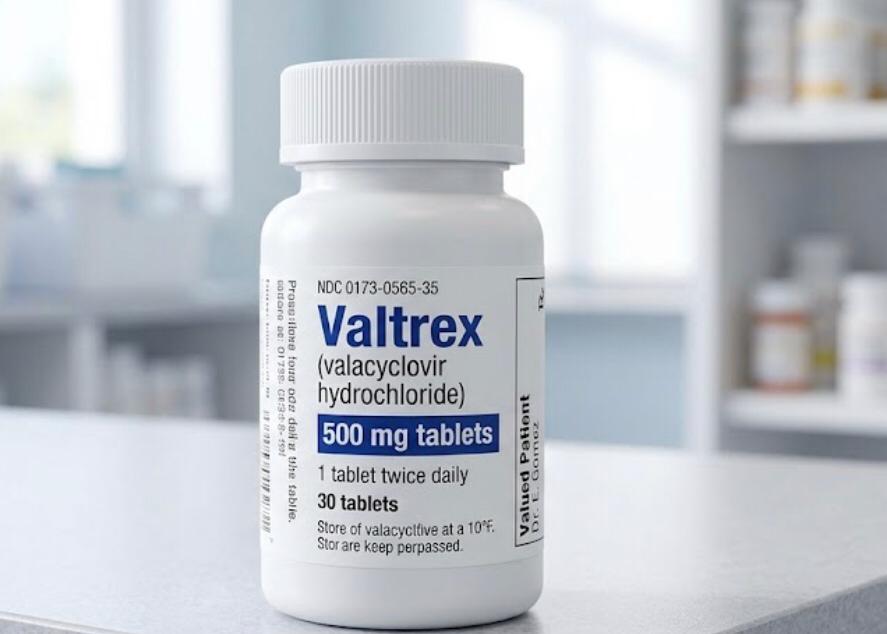
For patients who cheap Valtrex online through legitimate telemedicine services and choose to order Valtrex online through NABP-verified (National Association of Boards of Pharmacy) online pharmacies, the process is safe, private, and often more cost-effective than traditional pharmacy visits. Generic valacyclovir the bioequivalent of brand name Valtrex is widely available and carries the same efficacy at significantly lower cost. Always confirm that any online pharmacy displays a valid NABP “.pharmacy” domain accreditation badge before completing a buy prescription Valtrex transaction.
In my Los Angeles clinic, I frequently assist patients in navigating telehealth and legitimate online pharmacy options, particularly for uninsured or underinsured individuals who benefit substantially from the cost savings of generic valacyclovir without sacrificing clinical safety or medication integrity.
Risk Reduction Across Multiple Dimensions
Consistent condom use reduces HSV-2 transmission risk by approximately 30–50%. This protective effect, while meaningful, is incomplete because HSV can be shed from areas not covered by a condom. I always frame condom use as one important layer within a multi-layered prevention strategy, never as a standalone solution.
Suppressive Antiviral Therapy as Prevention
The landmark Corey et al. New England Journal of Medicine trial demonstrated that daily suppressive valacyclovir in HSV-2-positive partners reduced transmission to susceptible partners by 48%. Combined with consistent condom use, this reduction is substantially amplified.
Comparative Prevention and Treatment Summary
| Strategy | Outbreak Reduction | Transmission Reduction | Practicality |
|---|---|---|---|
| Episodic antiviral therapy | Moderate (shortens duration) | Minimal | High |
| Daily suppressive therapy | 70–80% | ~48% | High |
| Consistent condom use | N/A | 30–50% | Moderate |
| Condoms + suppressive therapy | 70–80% | ~75%+ | Moderate-High |
| Avoiding sex during outbreaks | Avoids direct contact | Significant (not complete) | High |
| Disclosure to partners | N/A | Enables combined strategies | Essential |
Lifestyle factors that reinforce immune competence adequate sleep (7–9 hours), stress management, moderate aerobic exercise, and micronutrient adequacy (particularly vitamin D and zinc) demonstrably influence recurrence frequency. I have seen meaningful clinical improvement in patients who addressed chronic sleep deprivation or stress dysregulation alone, independent of any medication changes.
Neonatal Herpes Prevention
This is the clinical context where HSV management carries the most acute urgency. Neonatal herpes acquired during delivery from a mother with active genital HSV carries mortality rates of up to 60% in disseminated cases without treatment. Current standard of care for pregnant individuals with known HSV includes:
- Suppressive valacyclovir beginning at 36 weeks gestation
- Cesarean section when active lesions or prodromal symptoms are present at the onset of labor
- Neonatal antiviral prophylaxis when indicated
I work closely with maternal fetal medicine specialists in the Los Angeles area on complex cases involving herpes in pregnancy, and I cannot overstate how important it is for obstetric providers to screen and counsel patients proactively on this risk.
The Psychological Dimension: Stigma, Disclosure, and Quality of Life
Studies consistently demonstrate that the psychological burden of an HSV diagnosis often exceeds the physical burden of the infection itself. Anxiety, shame, fear of rejection, and avoidance of intimacy are reported frequently, particularly following a new diagnosis of genital HSV-2.
The conversation I have on diagnosis day is the most important clinical interaction I have with an HSV-positive patient. I always open with three statements:
- This virus is extraordinarily common far more common than most people realize.
- With proper management, your risk of transmitting it to partners is substantially reducible.
- Disclosure, while anxiety inducing, is both an ethical responsibility and frequently a relationship strengthening act when approached with factual information rather than shame.
Referral to a therapist experienced in sexual health issues is a resource I offer to every newly diagnosed patient who expresses significant distress. In Los Angeles, specialized sexual health counseling resources are relatively accessible, and online therapy platforms have expanded this access substantially since 2022.
Frequently Asked Questions
No as of 2026, no approved treatment eliminates the herpes simplex virus from the body. Antiviral medications suppress viral replication, reduce outbreak frequency and severity, and decrease transmission risk, but the virus persists in a latent state within sensory nerve ganglia. mRNA therapeutic vaccine research currently in clinical trials represents the most promising avenue toward a functional cure.
The safest way to buy Valtrex online or purchase generic valacyclovir is through a telemedicine consultation with a US-licensed physician followed by ordering from an NABP-accredited online pharmacy. Generic valacyclovir offers identical clinical efficacy to brand-name Valtrex at significantly lower cost. Never order Valtrex online from any source that does not require a valid prescription, as this is both illegal and medically dangerous.
PCR testing of active lesions should be performed as soon as possible after symptom onset within the first 48 hours offers the highest diagnostic yield. Serological (blood) testing for HSV IgG antibodies is most reliable after a window period of 12–16 weeks post-exposure, as antibody levels take time to develop after initial infection.