
Digestive Health and Gastroenterology
>> Dygestive Health>> Digestive Health and GastroenterologyDigestive Health and Gastroenterology
Digestive problems can be brief and mild, or they can signal a condition that needs medical attention. Gastroenterology is the medical specialty that evaluates the digestive tract and related organs, including the esophagus, stomach, intestines, liver, pancreas, gallbladder, and bile ducts. Health Foreverplus is a great website to find helpful articles about digestive health, gastroenterology, and medical care
A gastroenterologist may help investigate ongoing heartburn, abdominal pain, diarrhea, constipation, abnormal liver tests, or rectal bleeding. The right evaluation depends on the person’s symptoms, medical history, risk factors, and examination not on one symptom or an online search alone.
This 2026 overview summarizes established guidance cited below. It does not claim that a new universal gastroenterology guideline was issued in 2026. Screening recommendations and medication labeling can change, so confirm personal decisions with a qualified healthcare professional.
What Gastroenterology Covers in 2026
Digestive organs work together to move food, absorb nutrients, regulate bowel movements, and process substances through the liver and pancreas. A problem in one area can produce symptoms that seem to come from another. For example, upper abdominal discomfort can have several causes, including digestive, gallbladder, medication-related, or non-digestive conditions.
Common areas of gastroenterology
Gastroenterologists diagnose and manage conditions such as gastroesophageal reflux disease (GERD), peptic ulcers, irritable bowel syndrome (IBS), inflammatory bowel disease (IBD), celiac disease, liver disease, and disorders of the pancreas or gallbladder. They also perform procedures such as colonoscopy and upper endoscopy, and coordinate care with primary care clinicians, surgeons, radiologists, and dietitians.
A clinician often needs more than the name of a symptom. When it began, how often it occurs, whether it is worsening, and what accompanies it can help guide the evaluation. A short episode of indigestion after a large meal is different from progressive difficulty swallowing or persistent pain with unintentional weight loss. As digestive health plays a crucial role in your overall well-being, understanding gastroenterology is also an important step when exploring safe and effective medical weight loss program.
Digestive Symptoms: When to Get Evaluated

Heartburn, acid regurgitation, nausea, and upper abdominal discomfort are common reasons to seek advice. Occasional symptoms may respond to basic measures or an over-the-counter product, but frequent or persistent symptoms deserve review especially if they interfere with sleep or daily life.
Difficulty swallowing, painful swallowing, repeated vomiting, or unexplained weight loss should not be managed indefinitely with self-treatment. These symptoms may warrant prompt evaluation.
Lower digestive symptoms
Constipation, diarrhea, bloating, and changes in bowel habits have many possible causes. Diet, infection, medicines, IBS, IBD, thyroid conditions, and other health problems may play a role. Blood in the stool, ongoing nighttime symptoms, fever, anemia, or unexplained weight loss changes the level of concern and should be discussed with a clinician.
A symptom diary can make an appointment more productive. Record the timing of symptoms, bowel changes, foods that seem relevant, recent travel, and medicines or supplements. This information can help guide evaluation, but it cannot establish a diagnosis on its own.
Liver, gallbladder, and pancreatic concerns
Fatigue, abnormal liver tests, jaundice, or recurring upper abdominal pain can prompt evaluation of the liver, gallbladder, or pancreas. Yellowing of the skin or eyes should be assessed promptly, especially if it occurs with fever, severe pain, confusion, or vomiting.
Symptoms that need urgent attention
Call 911 for severe or rapidly worsening abdominal pain, fainting, vomiting blood, or heavy bleeding. Black, tarry stools can indicate bleeding in the digestive tract and need urgent medical assessment. Seek emergency care for severe dehydration or new jaundice accompanied by confusion or significant illness.
For persistent difficulty swallowing, ongoing vomiting, rectal bleeding, or unexplained weight loss, contact a healthcare professional promptly. The right timing depends on the severity and circumstances.
An evaluation commonly begins with a medical history, a review of medications, and a physical examination. Depending on the concern, a clinician may order blood tests, stool tests, imaging, or an endoscopic procedure. Not every symptom requires a scan or scope.
Endoscopy, preparation, and medication review
Before colonoscopy, the bowel must be cleaned so the clinician can inspect its lining. Follow the endoscopy center’s preparation instructions and contact the team if you cannot complete the preparation or have a concerning reaction.
Before sedation or a procedure, provide an accurate list of prescription drugs, over-the-counter medicines, and supplements. Ask the care team how to handle blood thinners, diabetes medicines, and GLP-1 medicines. Instructions can vary by patient and procedure; do not stop a prescribed medicine on your own.
Screening is not the same as diagnostic testing
For average-risk adults, the U.S. Preventive Services Task Force recommends colorectal cancer screening from ages 45 through 75. For adults ages 76 through 85, the decision is individualized. Family history, prior polyps, IBD, or an inherited risk may change when screening should begin or which test is suitable.[1]
Screening is intended for people without symptoms. Rectal bleeding or a persistent change in bowel habits may need a diagnostic evaluation, even if someone recently had a screening test. If a stool-based screening test is positive, a colonoscopy is generally needed to complete the evaluation.
Common Conditions Evaluated by Gastroenterologists
GERD and persistent heartburn
GERD occurs when reflux causes troublesome symptoms or complications. A clinician may assess symptom frequency, response to treatment, possible triggers, and warning signs. The American College of Gastroenterology (ACG) guideline describes approaches to diagnosis and treatment, including when further evaluation may be appropriate.
Heartburn is not always caused by GERD. New or severe chest discomfort needs medical assessment because heart-related problems can resemble indigestion.
IBS and inflammatory bowel disease
IBS is a disorder of gut-brain interaction that can involve abdominal pain and changes in bowel habits. Diagnosis is based on the symptom pattern and appropriate assessment, not simply on a normal test result. The ACG guideline discusses targeted testing and treatment options for IBS.
IBD includes Crohn’s disease and ulcerative colitis, which involve chronic inflammation. Persistent diarrhea, blood in stool, abdominal pain, fatigue, or weight loss may lead a clinician to investigate IBD, but these symptoms can have other causes too.
Celiac disease
Celiac disease is an immune-mediated response to gluten that can damage the small intestine. Testing usually begins with blood tests and may require further evaluation. A person who suspects celiac disease should speak with a clinician before removing gluten from their diet, because avoiding gluten can affect the accuracy of testing.
Liver disease and metabolic risk
Metabolic dysfunction-associated steatotic liver disease (MASLD), previously called nonalcoholic fatty liver disease, is linked to metabolic risk factors. It may cause few or no symptoms. Depending on a person’s history and test results, clinicians may use noninvasive tools to assess the likelihood of liver fibrosis and decide whether imaging or specialist care is appropriate.
Illustrative scenario not a patient history
A person with recurring heartburn may report partial relief from an over-the-counter medicine but also mention that food sometimes sticks when swallowing. That additional symptom changes the discussion: the next step may be an evaluation rather than simply extending self-treatment. This example illustrates a general clinical consideration and does not describe a real patient.
Current Priorities in Digestive Care
Gastroenterology care increasingly emphasizes matching tests to the clinical question, identifying risk before complications develop, and coordinating treatment across specialties. In liver care, for example, noninvasive risk assessment may help identify who needs further testing rather than sending every patient directly to an invasive procedure.
Computer-assisted tools are being used in some endoscopy settings, including to support polyp detection. These tools are adjuncts; availability and performance vary, and they do not replace the clinician’s judgment, procedure quality, or appropriate follow-up.
Medication reviews are also part of procedural planning. People taking GLP-1 medicines or drugs for diabetes, blood clot prevention, or heart disease should follow the instructions of their endoscopy team and prescriber. Procedures should not be delayed or medicines stopped without advice from the clinicians involved.
Nexium in Los Angeles: Safe Purchase Guidance for 2026
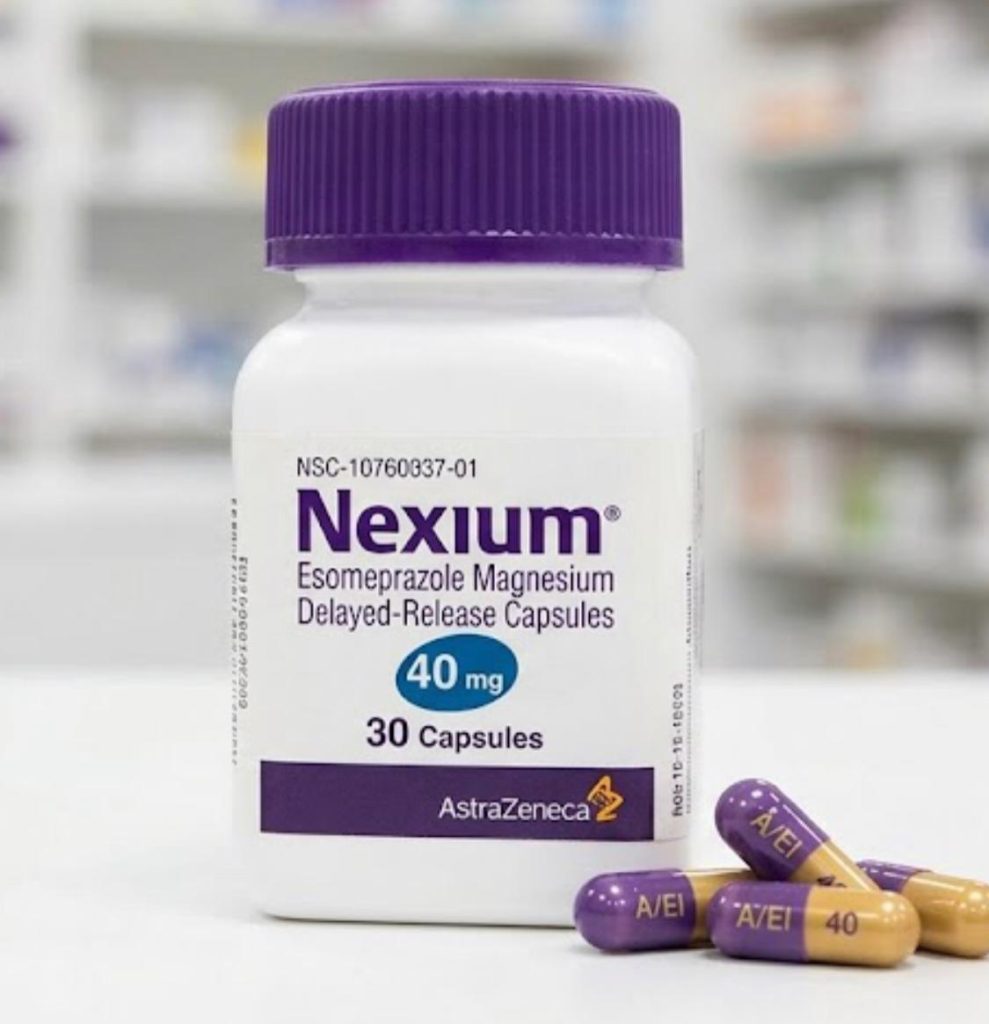
Nexium is a brand name for esomeprazole, a proton pump inhibitor (PPI) that lowers stomach acid. Prescription esomeprazole may be used for conditions such as GERD, erosive esophagitis, certain ulcer-related treatment plans, and conditions that cause excessive acid production. The product and treatment plan depend on the diagnosis and a prescriber’s instructions.
Nexium 24HR is an over-the-counter product for adults with frequent heartburn. Its package directions specify a limited course; it is not intended to provide immediate relief, and it may take several days to reach its full effect. Follow the Drug Facts label for the specific product and do not extend or repeat treatment beyond its directions without professional advice.
Prescription Nexium has different uses and instructions. Do not assume that an OTC product is an appropriate substitute for prescription treatment or that the prescription product is suitable for self-treatment.
| Product type | Prescription required? | Key point |
|---|---|---|
| Nexium 24HR OTC | No, when purchased according to its U.S. Drug Facts label | Intended for a limited course for frequent heartburn in adults; not an instant-relief medicine |
| Prescription Nexium or generic esomeprazole | Yes | The prescriber selects the formulation and treatment plan for a diagnosed condition |
Side effects, interactions, and duration
Common side effects can include headache, abdominal discomfort, nausea, constipation, or diarrhea. Product labeling also warns about less common but serious problems, including kidney inflammation and, in some cases, low magnesium or vitamin B12 levels with prolonged use. These risks do not mean every user will experience harm, but long-term treatment should have a clear clinical reason and be reviewed periodically.[5]
Tell your prescriber and pharmacist about all medicines and supplements you take. Esomeprazole may reduce the activation and antiplatelet effect of clopidogrel. If you take clopidogrel, ask your prescriber or pharmacist to review your acid-reducing medicine before starting, stopping, or changing it. Do not stop either medicine on your own.
Seek medical advice rather than relying on an OTC course if you have difficulty swallowing, persistent vomiting, blood in the stool, unexplained weight loss, or symptoms that keep returning.
Buying Nexium online or locally in Los Angeles
People searching for buy Nexium online, should first confirm which product they need. OTC Nexium 24HR can be purchased without a prescription under its label directions. Prescription Nexium or prescription esomeprazole must be dispensed against a valid prescription.
For a pharmacy in Los Angeles or an online pharmacy shipping to a California address check that the pharmacy is licensed to operate in California. Use the California State Board of Pharmacy’s license-verification resources, confirm that the online seller requires a prescription for prescription products, and make sure you can contact a pharmacist. FDA BeSafeRx and NABP Safe Pharmacy resources offer additional ways to assess online sellers.
Avoid websites that offer purchase Nexium without a prescription, conceal their location, or make implausible medical claims. A licensed pharmacy can fill a prescription; it cannot decide whether esomeprazole is right for your symptoms. Pharmacy hours, stock, and local services change, so confirm those details directly with the pharmacy.
Frequently Asked Questions
What does gastroenterology cover?
Gastroenterology evaluates conditions affecting the esophagus, stomach, intestines, liver, pancreas, gallbladder, and bile ducts.
When should I see a gastroenterologist for heartburn?
Seek an evaluation if heartburn is persistent, recurring, or not improving as expected, and get prompt advice for difficulty swallowing, bleeding, or unexplained weight loss.
Does a colonoscopy diagnose every digestive condition?
No. A colonoscopy examines the colon and rectum; other conditions may need blood or stool tests, imaging, upper endoscopy, or another assessment.
Can I buy Nexium online in Los Angeles, and when do I need a prescription?
Nexium 24HR is an OTC product, but prescription Nexium requires a valid prescription and should be filled by a pharmacy licensed to serve California.
Should I stop taking a PPI if I am concerned about long-term risks?
Do not stop a prescribed PPI without discussing its risks, benefits, and alternatives with the clinician managing your treatment.