
Understanding High Blood Pressure Management
>> Heart Health>> Understanding High Blood Pressure Management
Understanding High Blood Pressure Management
What Is Hypertension and Why Does It Matter Now?
Hypertension, commonly known as high blood pressure, continues to affect over 1.3 billion adults worldwide as we navigate through 2026. This chronic condition occurs when the force of blood against arterial walls remains consistently elevated, typically defined as readings of 130/80 mmHg or higher according to current American College of Cardiology guidelines. Throughout my two decades of clinical practice, I’ve witnessed firsthand how this silent condition progressively damages vital organs the heart, kidneys, brain, and vascular system often without patients experiencing any warning symptoms until catastrophic events occur.
The cardiovascular landscape has evolved significantly. Recent epidemiological data from 2026 reveals that hypertension now accounts for approximately 12.8% of all global deaths, making it the single most significant modifiable risk factor for cardiovascular disease, stroke, and chronic kidney disease. What concerns me most from clinical observation is that nearly 46% of adults with hypertension remain unaware of their condition, and among those diagnosed, fewer than 50% achieve adequate blood pressure control despite available therapeutic interventions.

The Pathophysiology Behind Elevated Blood Pressure
Blood pressure regulation involves an intricate interplay between cardiac output, peripheral vascular resistance, blood volume, and neurohumoral mechanisms. The renin angiotensin aldosterone system (RAAS) plays a central regulatory role, alongside sympathetic nervous system activity and endothelial function. When these systems become dysregulated, hypertension develops through multiple pathways.
Essential (primary) hypertension comprises approximately 90-95% of all cases and develops gradually over years without a single identifiable cause. The remaining 5-10% represents secondary hypertension, stemming from specific underlying conditions such as renal parenchymal disease, renovascular disorders, primary aldosteronism, pheochromocytoma, Cushing’s syndrome, coarctation of the aorta, or obstructive sleep apnea.
In my practice, I’ve identified secondary causes in patients as young as 28 years old who presented with resistant hypertension. One particularly memorable case involved a 32 year old woman whose blood pressure remained uncontrolled despite triple therapy; subsequent workup revealed primary aldosteronism requiring targeted mineralocorticoid receptor antagonist treatment.
Vascular Remodeling and Target Organ Damage
Chronic pressure overload triggers structural and functional changes in blood vessels a process called vascular remodeling. Arterial walls thicken, become stiffer, and lose elasticity. This arterial stiffness increases systolic pressure and pulse pressure, creating a self perpetuating cycle of vascular damage. Simultaneously, the left ventricle hypertrophies to overcome increased afterload, eventually leading to diastolic dysfunction and heart failure with preserved ejection fraction (HFpEF). High blood pressure management remains a critical health priority across Colorado, where despite the state’s active lifestyle reputation, tens of thousands of residents navigate the risks of uncontrolled hypertension and cardiovascular disease. Navigating long term care, monitoring key vital metrics, and implementing early prevention strategies are essential steps to sustain overall wellness and secure optimal health forever.
Updated Blood Pressure Categories
The 2024 revision to hypertension guidelines, now fully implemented in 2026, maintains the following classification:
| Category | Systolic (mmHg) | Diastolic (mmHg) |
|---|---|---|
| Normal | <120 | and <80 |
| Elevated | 120-129 | and <80 |
| Stage 1 Hypertension | 130-139 | or 80-89 |
| Stage 2 Hypertension | ≥140 | or ≥90 |
| Hypertensive Crisis | ≥180 | and/or ≥120 |
Proper Measurement Techniques
Accurate blood pressure measurement remains foundational to appropriate diagnosis and management. Based on current 2026 protocols, I always instruct patients to:
- Rest quietly for 5 minutes before measurement
- Sit with back supported and feet flat on the floor
- Position the arm at heart level
- Use appropriately sized cuff covering 80% of upper arm circumference
- Avoid caffeine, exercise, and smoking for 30 minutes prior
- Take multiple readings on different occasions before confirming diagnosis
The proliferation of validated oscillometric devices has revolutionized hypertension management. In 2026, I routinely recommend home blood pressure monitoring (HBPM) for most patients, as it provides superior prognostic information compared to office readings, eliminates white coat hypertension concerns, and improves medication adherence. Ambulatory blood pressure monitoring (ABPM) remains the gold standard for diagnosis, particularly when assessing nocturnal patterns and identifying non-dipping status associated with worse cardiovascular outcomes.

Lifestyle Modifications: The Essential Foundation
Before initiating or alongside pharmacological therapy, evidence based lifestyle interventions form the cornerstone of hypertension management. The cumulative effect of multiple lifestyle changes can reduce systolic blood pressure by 10-20 mmHg equivalent to or exceeding the effect of a single antihypertensive medication.
The Dietary Approaches to Stop Hypertension (DASH) eating pattern emphasizes fruits, vegetables, whole grains, lean proteins, and low-fat dairy while limiting saturated fat, cholesterol, and refined sugars. When combined with sodium restriction to less than 2,300 mg daily (ideally 1,500 mg for optimal benefit), this approach consistently lowers blood pressure by 8-14 mmHg in hypertensive individuals.
I’ve observed remarkable transformations in patients who genuinely commit to dietary modification. One 58-year-old man with Stage 2 hypertension reduced his blood pressure from 156/94 to 128/82 mmHg over four months through strict DASH adherence and sodium limitation, avoiding the need for medication escalation.
Adequate potassium intake promotes natriuresis and vasodilation, counteracting sodium’s hypertensive effects. Similarly, magnesium supplementation has demonstrated modest blood pressure-lowering effects in meta analyses, particularly among those with baseline deficiency.
Physical Activity and Exercise
Regular aerobic exercise reduces systolic blood pressure by approximately 5-8 mmHg. Resistance training provides additional benefits when combined with aerobic activity. The mechanisms include improved endothelial function, reduced sympathetic nervous system activity, and beneficial effects on body composition. Each kilogram of weight loss correlates with approximately 1 mmHg reduction in blood pressure among overweight individuals. Maintaining ideal body weight (BMI 18.5-24.9 kg/m²) represents one of the most effective non pharmacological interventions available. Alcohol consumption should be limited to no more than two standard drinks daily for men and one for women. Smoking cessation, while not directly lowering chronic blood pressure, dramatically reduces overall cardiovascular risk and improves medication efficacy.
Pharmacological Management: Medication Classes and Selection
When lifestyle modifications prove insufficient, antihypertensive medications become necessary. The 2026 treatment landscape includes several major drug classes, each with distinct mechanisms, indications, and side effect profile.Most patients require two or more medications to achieve target blood pressure levels. Current 2026 guidelines recommend initiating combination therapy in patients with Stage 2 hypertension or those with blood pressure >20/10 mmHg above goal. Preferred combinations include:
- ACE inhibitor or ARB + calcium channel blocker
- ACE inhibitor or ARB + thiazide diuretic
- Calcium channel blocker + thiazide diuretic
Single pill combination formulations improve adherence significantly compared to multiple separate medications a factor I emphasize when prescribing. While thiazide-type diuretics serve as first line agents for most hypertensive patients, loop diuretics become essential in specific circumstances, particularly when significant fluid overload exists or when kidney function declines substantially.
Understanding Lasix in Blood Pressure Management
Lasix (furosemide) represents the most commonly prescribed loop diuretic in clinical practice. This potent medication works by inhibiting the sodium potassium chloride cotransporter in the thick ascending limb of the loop of Henle, producing powerful natriuresis and diuresis. While not typically a first-line antihypertensive agent, Lasix plays an indispensable role in managing hypertension complicated by heart failure, chronic kidney disease, or significant volume overload.
Throughout my practice, I’ve prescribed Lasix for countless patients with hypertension and concomitant heart failure with reduced ejection fraction (HFrEF), where volume management becomes paramount for symptom relief and blood pressure optimization. The medication’s rapid onset within 30-60 minutes when administered orally provides relatively quick relief from pulmonary congestion and peripheral edema.
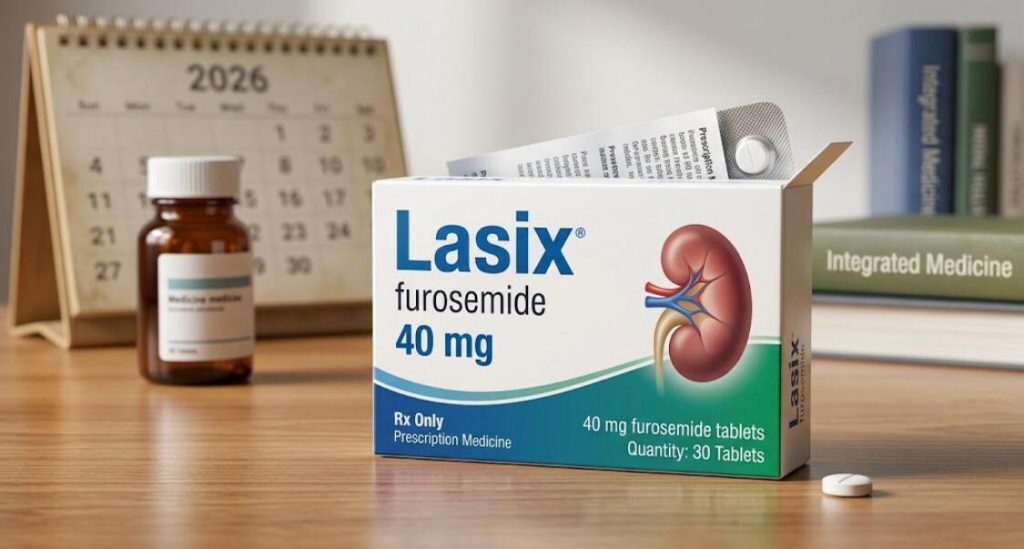
For patients requiring this essential medication, it’s vital to acquire Lasix through legitimate, licensed channels. Those looking to order Lasix online or obtain prescription Lasix should exclusively use verified, accredited pharmacies that require valid prescriptions from licensed healthcare providers. When patients ask me where to get Lasix safely, I emphasize that attempting to buy Lasix online without proper medical oversight poses serious health risks, including electrolyte imbalances (particularly hypokalemia and hypomagnesemia), volume depletion, and acute kidney injury.
The therapeutic approach with Lasix requires careful individualization. I typically initiate doses at 20-40 mg once or twice daily, adjusting based on clinical response, daily weights, and laboratory monitoring of renal function and electrolytes. Patients must understand that securing a supply of Lasix necessitates ongoing medical supervision this is not a medication for self-management or casual use.
When prescribed appropriately and monitored adequately, Lasix effectively controls fluid status and contributes to overall blood pressure management in complex patients who don’t respond adequately to conventional antihypertensive therapy alone. The key lies in obtaining medications from reputable sources with proper medical guidance.
Treatment of Resistant Hypertension
Resistant hypertension defined as blood pressure remaining above goal despite adherence to three optimally dosed antihypertensive agents including a diuretic affects approximately 10-15% of treated hypertensive patients. This challenging condition requires systematic evaluation and specialized management.
When encountering resistant hypertension, I methodically screen for:
- Medication non adherence or inadequate dosing
- Interfering substances (NSAIDs, decongestants, stimulants, excessive alcohol)
- Secondary causes (primary aldosteronism, renal artery stenosis, pheochromocytoma, sleep apnea)
- Volume overload and inadequate diuretic therapy
Spironolactone or eplerenone effectively treats resistant hypertension, particularly when aldosterone excess contributes. These agents lower blood pressure by an additional 15-20 mmHg in many resistant cases I’ve managed. Doxazosin, prazosin, or terazosin serve as fourth or fifth line agents, while hydralazine and minoxidil represent last resort options due to significant side effects requiring concomitant beta blocker and diuretic therapy. Renal denervation has emerged as an adjunctive option in 2026 for select patients with resistant hypertension, showing modest sustained blood pressure reductions in recent randomized trials. However, patient selection remains critical for optimal outcomes.
Pregnancy and Gestational Hypertension
Hypertensive disorders complicate 10% of pregnancies and require specialized management to protect maternal and fetal health. Chronic hypertension, gestational hypertension, preeclampsia, and eclampsia each present unique challenges and treatment considerations. Methyldopa, labetalol, and nifedipine represent first line agents with established safety profiles. ACE inhibitors, ARBs, and direct renin inhibitors are absolutely contraindicated due to teratogenic effects. The prevalence of hypertension exceeds 75% in adults over 75 years old, predominantly as isolated systolic hypertension due to arterial stiffening. Treatment benefits persist in this population, but targets may be individualized based on frailty, comorbidities, and life expectancy.
The 2026 guidelines support treating to systolic targets of 130 mmHg in ambulatory, community dwelling elderly patients when tolerated, while accepting 140 mmHg in those with limited life expectancy, multiple comorbidities, or frailty.CKD and hypertension form a bidirectional relationship hypertension causes kidney damage, while kidney disease exacerbates blood pressure elevation. ACE inhibitors or ARBs provide renoprotection and slow CKD progression in patients with proteinuria, making them preferred agents despite necessitating careful monitoring for hyperkalemia and acute kidney function changes
The coexistence of diabetes and hypertension dramatically amplifies cardiovascular risk. Target blood pressure in diabetic patients remains 130/80 mmHg, with ACE inhibitors or ARBs preferred as first line agents due to cardiovascular and renal protective effects beyond blood pressure lowering.
Monitoring and Long Term Management Strategies
Optimal hypertension management requires systematic, ongoing assessment and treatment refinement. I schedule follow up visits every 1-2 months until blood pressure stabilizes at target levels, then every 3-6 months thereafter. Each visit includes:
- Blood pressure measurement using proper technique
- Assessment of medication adherence and tolerability
- Review of home blood pressure logs
- Evaluation for target organ damage symptoms
- Laboratory monitoring of renal function and electrolytes
- Reinforcement of lifestyle modifications
Target Organ Damage Surveillance
Baseline and periodic electrocardiograms identify left ventricular hypertrophy, while echocardiography provides more sensitive assessment of cardiac structure and function when indicated. Coronary artery calcium scoring offers additional cardiovascular risk stratification in select intermediate risk patients. Annual (or more frequent) measurement of serum creatinine, estimated glomerular filtration rate (eGFR), and urinalysis with albumin to creatinine ratio identifies early nephropathy and guides treatment adjustments. Carotid ultrasound screening detects atherosclerotic disease in high risk patients, while ankle brachial index (ABI) identifies peripheral arterial disease both markers of systemic vascular damage requiring aggressive risk factor modification. Fundoscopic examination reveals hypertensive retinopathy changes that correlate with systemic vascular damage severity and overall cardiovascular risk.
Emerging Therapies and Future Directions in 2026
The therapeutic pipeline continues evolving. Firibastat, a first in class brain aminopeptidase A inhibitor that reduces central nervous system angiotensin II formation, has shown promising results in Phase III trials and may receive approval within the next year. Similarly, aldosterone synthase inhibitors offer more selective mineralocorticoid modulation with potentially fewer adverse effects than current antagonist. Pharmacogenomic testing increasingly guides medication selection and dosing, particularly for patients with treatment resistance or unusual medication responses
Genetic polymorphisms affecting drug metabolism and drug targets influence individual antihypertensive responses. Connected devices, smartphone applications, and artificial intelligence algorithms increasingly support hypertension management through improved monitoring, adherence support, and treatment optimization. Machine learning models can predict individual patient responses to specific medications, potentially reducing the trial and error approach to finding optimal regimens. Emerging research connects gut microbiome composition to blood pressure regulation through multiple mechanisms including short chain fatty acid production, trimethylamine N oxide (TMAO) generation, and immune system modulation. Probiotic interventions and dietary modifications targeting the microbiome represent potential future therapeutic adjuncts.
Prevention Strategies and Public Health Approaches
Preventing hypertension development before it occurs primordial prevention focuses on maintaining ideal cardiovascular health throughout the lifespan through optimal diet, regular physical activity, healthy weight maintenance, and avoidance of harmful substances. Just as managing hormonal balance plays a critical role in your body’s overall equilibrium, effective high blood pressure management is equally vital for protecting your cardiovascular health.

Primary prevention targets individuals with elevated blood pressure or prehypertension (systolic 120-129 mmHg), emphasizing lifestyle modifications to prevent progression to frank hypertension and reduce cardiovascular risk.Public health strategies addressing environmental and societal factors driving hypertension prevalence include:
- Food industry sodium reduction initiatives
- Improved food labeling and nutritional education
- Taxation on sugar sweetened beverages
- Urban planning promoting physical activity
- Smoke free legislation
- Workplace wellness programs
These population wide approaches complement individual clinical management, addressing upstream determinants of cardiovascular health.
Community Based Screening Programs
Expanding access to blood pressure screening through community health fairs, pharmacies, workplaces, and faith-based organizations identifies undiagnosed hypertension and connects individuals to appropriate care. The U.S. Preventive Services Task Force recommends screening all adults 18 years and older, with optimal frequency based on initial readings and cardiovascular risk factors.
Effective hypertension management requires active patient partnership. I dedicate significant time educating patients about:
- The asymptomatic nature of hypertension and importance of treatment despite feeling well
- Accurate home blood pressure monitoring techniques
- Medication purposes, expected effects, and potential side effects
- Lifestyle modification strategies with practical, individualized recommendations
- Long term complications of uncontrolled hypertension
- The chronic nature requiring lifelong management
Addressing Barriers to Adherence
Medication non adherence represents the single greatest obstacle to blood pressure control. Common barriers include:
- Cost and insurance coverage limitations
- Medication side effects and tolerability concerns
- Complex regimens with multiple daily doses
- Lack of symptoms creating perception that treatment is unnecessary
- Limited health literacy and understanding of hypertension
- Cultural beliefs and preferences regarding medication use
Systematically identifying and addressing these barriers through simplified regimens, generic medication options, side effect management, and culturally sensitive counseling improves outcomes substantially.
Frequently Asked Questions About Hypertension Management
What blood pressure reading is considered dangerous and requires immediate medical attention?
Blood pressure readings of 180/120 mmHg or higher constitute a hypertensive crisis requiring immediate medical evaluation. If you experience this level with symptoms like chest pain, shortness of breath, severe headache, visual changes, or neurological deficits, call emergency services immediately; without symptoms, contact your healthcare provider urgently within hours.
How long does it take for lifestyle changes to lower blood pressure?
Most people see measurable blood pressure reductions within 2-4 weeks of implementing comprehensive lifestyle modifications including dietary changes, sodium restriction, weight loss, and regular exercise. Maximum benefits typically manifest after 3-6 months of sustained adherence, with reductions of 10-20 mmHg possible through combined interventions.
Can I stop taking blood pressure medication once my readings normalize?
No, you should never discontinue antihypertensive medications without consulting your healthcare provider. Normalized readings reflect medication effectiveness, not cure of underlying hypertension. Stopping medication typically causes blood pressure to rise again within days to weeks. Some patients may successfully reduce or eliminate medications through significant sustained lifestyle changes, but this requires medical supervision and gradual tapering.
Where can I safely order Lasix online if my doctor prescribes it for my condition?
If your physician prescribes Lasix for hypertension complicated by heart failure or significant fluid retention, you should only obtain it from licensed, verified online pharmacies requiring valid prescriptions, such as those certified by the National Association of Boards of Pharmacy (NABP) Verified Internet Pharmacy Practice Sites (VIPPS) program.
One thought on “Understanding High Blood Pressure Management ”
Comments are closed.