
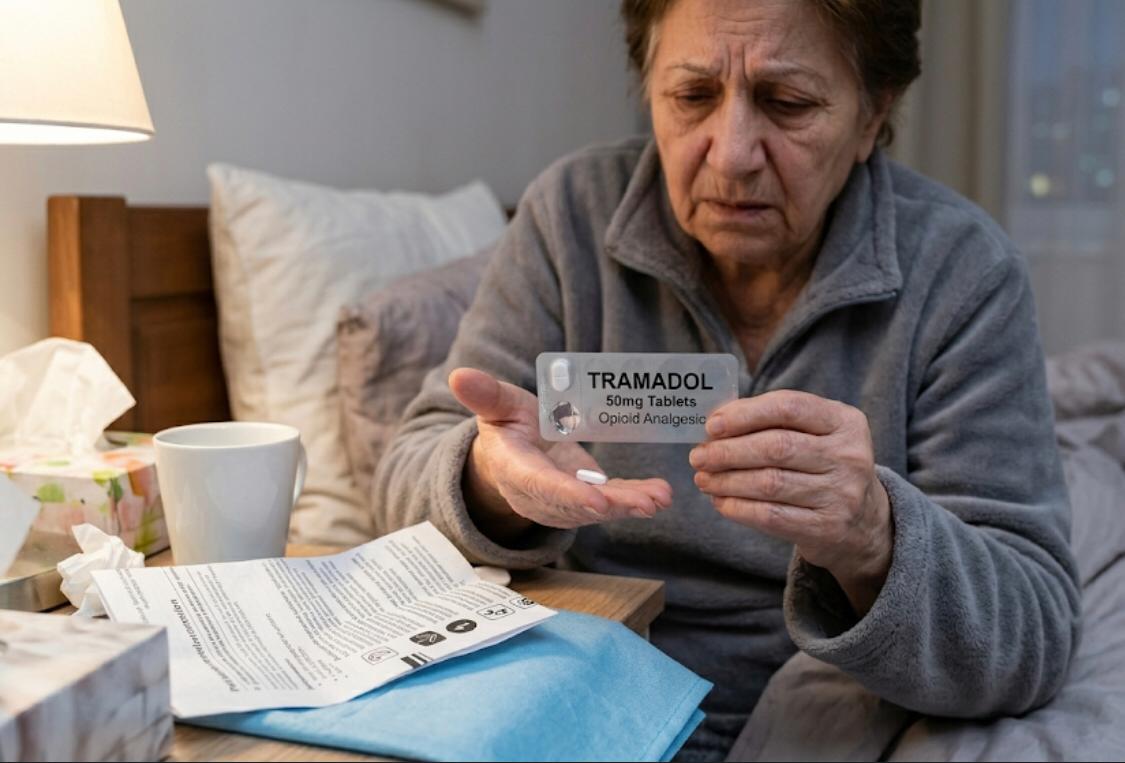
Nurturing Your Mind: Mental Wellness & Treatment Options
>> Healthy Lifestyle>>Mental Wellness>>Treatments>> Nurturing Your Mind: Mental Wellness & Treatment Options
Nurturing Your Mind: Mental Wellness & Treatment Options
In contemporary healthcare, nurturing mental wellness has evolved from a subjective pursuit of happiness into a rigorous, evidence based discipline. The human mind operates within a complex web of neurochemical pathways, environmental stimuli, and psychological habits. When the balance shifts toward chronic stress or debilitating anxiety, clinical intervention and structured self care become essential.
This guide outlines the core pillars of mental health preservation, analyzing the physiological foundations of stress, the efficacy of therapeutic frameworks, and the precise role of pharmacotherapy in modern medicine.
The Physiology of Stress and Anxiety
To effectively nurture the mind, one must understand the biological mechanisms of stress. The human brain responds to perceived threats through the activation of the hypothalamic pituitary adrenal (HPA) axis. This neuroendocrine cascade triggers the release of glucocorticoids, primarily cortisol, alongside adrenaline and noradrenaline.
While this acute “fight-or-flight” response is evolutionary vital for survival, chronic activation leads to systemic neuroinflammation, impaired neurogenesis in the hippocampus, and structural remodeling of the amygdala. Over time, prolonged physiological stress manifests as generalized anxiety, cognitive fatigue, and mood disorders. Addressing these changes requires an integrated approach that targets both lifestyle and neurological function.
Evidence-Based Lifestyle Interventions: Clinical research consistently reinforces the role of lifestyle factors in regulating brain chemistry and stabilizing mood.
Neuroplasticity and Sleep Hygiene
Sleep serves as the brain’s primary restorative phase. During slow-wave and rapid eye movement (REM) sleep, the brain consolidates memories, processes emotional experiences, and activates the glymphatic system to clear metabolic waste. Chronic sleep disruption impairs the prefrontal cortex the region responsible for executive function, emotional regulation, and rational decision making. Maintaining a rigid sleep schedule and limiting sensory stimulation before bed directly supports neuroplastic resilience.
The Gut-Brain Axis and Micronutrition
The bidirectional communication between the gastrointestinal tract and the central nervous system, known as the gut-brain axis, plays a critical role in emotional health. The intestinal microbiome produces vital neurotransmitters, including gamma aminobutyric acid (GABA) and serotonin. Diets high in refined sugars and ultra processed foods promote systemic inflammation, which can compromise the blood brain barrier and exacerbate mood disruptions. Conversely, a diet rich in complex carbohydrates, polyphenols, and essential fatty acids supports a diverse microbiome and mitigates inflammatory pathways.
Psychological Frameworks and Therapy
Psychotherapy remains a cornerstone of long-term mental wellness. Unlike temporary coping mechanisms, structured therapy provides individuals with cognitive tools to alter maladaptive thought patterns systematically.
Cognitive Behavioral Therapy (CBT): CBT operates on the principle that thoughts, feelings, and behaviors are interconnected. By identifying cognitive distortions such as catastrophizing or black-and-white thinking patients learn to reframe their perspectives objectively, reducing the physiological impact of anxiety.
Acceptance and Commitment Therapy (ACT): Rather than fighting or suppressing uncomfortable thoughts, ACT encourages mindfulness and acceptance. Patients learn to acknowledge their psychological distress without judgment while committing to actions aligned with their core values.
Clinical Overview of Pharmacotherapy in Anxiety Management
When psychological and lifestyle interventions prove insufficient to manage severe, debilitating anxiety or panic disorders, medical practitioners may introduce pharmacological treatments. In clinical settings, long term management typically involves selective serotonin reuptake inhibitors (SSRIs) or serotonin norepinephrine reuptake inhibitors (SNRIs).
However, for acute, short term stabilization or specific refractory cases, a class of medications known as benzodiazepines may be indicated. These agents work by binding to GABA-A receptors in the central nervous system, enhancing the inhibitory effects of GABA to produce an immediate calming, sedative, and anxiolytic effect. Because these substances carry a high risk of tolerance, physical dependence, and withdrawal syndrome, their use is strictly regulated and must be monitored closely by a licensed medical provider.
Valium (Diazepam)
Valium is a long-acting benzodiazepine widely known for its prolonged half-life and extended duration of action. In clinical practice, it is utilized not only for severe generalized anxiety but also for muscle spasms, acute alcohol withdrawal, and convulsive disorders. Before you decide to buy Valium online, it is crucial to consult with a doctor, as its metabolites remain in the system for an extended period to provide a gradual onset and a smoother, more sustained therapeutic window
Xanax (Alprazolam)
Xanax is a highly potent, short-acting benzodiazepine primarily indicated for the acute management of panic disorder and severe agoraphobia. Due to its rapid absorption rate, many patients seek to buy Xanax for swift relief during a sudden panic attack or an acute state of overwhelming distress. However, its rapid clearance from the body increases the risk of inter-dose rebound anxiety, which is why you should only buy Xanax online from certified medical platforms requiring a strict presscription.
Ativan (Lorazepam)
Ativan exhibits an intermediate duration of action and a predictable metabolic profile, making it a versatile tool in both outpatient and emergency medical settings. It is frequently indicated for acute anxiety states, severe insomnia secondary to psychological stress, and as a pre-medication before surgical procedures. Before patients look to buy Ativan online, it is important to note that because Ativan undergoes direct glucuronidation without active metabolites, it does not rely heavily on complex hepatic cytochrome P450 pathways, making it a preferred choice for elderly patients or individuals with hepatic impairment
Klonopin (Clonazepam)
Klonopin balances a relatively rapid onset with a long therapeutic duration, making it effective for the sustained prevention of panic symptoms and the management of certain seizure disorders. Those who are prescribed this medication can safely buy Klonopin through certified digital dispensaries. Unlike rapid-acting agents used strictly for acute attacks, Klonopin is often prescribed on a structured schedule to maintain stable plasma concentrations throughout the day. It is frequently employed as a short-term stabilizing bridge when a patient initializes long-term antidepressant therapy, which can take several weeks to become fully effective; therefore, make sure to buy Klonopin online only under strict medical supervision.

Advanced Therapeutic Modalities
Beyond standard Cognitive Behavioral Therapy (CBT), modern clinical psychology utilizes specialized frameworks to address complex, deeply rooted anxiety patterns.
Dialectical Behavior Therapy (DBT)
Originally developed to treat severe emotional dysregulation, DBT is increasingly used to manage treatment-resistant anxiety and panic. It focuses on four core modules:
- Mindfulness: Developing awareness of the present moment without judgment.
- Distress Tolerance: Learning to survive crisis situations without making them worse.
- Emotion Regulation: Identifying, understanding, and modifying painful emotions.
- Interpersonal Effectiveness: Navigating conflicts and communicating needs assertively.
Eye Movement Desensitization and Reprocessing (EMDR)
When chronic anxiety is rooted in past traumatic experiences, the brain’s natural processing mechanisms can become blocked. EMDR uses bilateral stimulation typically through guided eye movements to help the brain reprocess traumatic memories. This reduces the emotional charge associated with the memory, allowing the nervous system to shift out of a chronic state of hyperarousal.
Neurobiology of Long-Term Recovery
The ultimate goal of comprehensive mental health care is to stimulate neuroplasticity the brain’s ability to reorganize itself by forming new neural connections.
When an individual consistently practices cognitive reframing, maintains a healthy sleep-wake cycle, and engages in physical exercise, the brain increases its production of Brain-Derived Neurotrophic Factor (BDNF). BDNF acts like a fertilizer for neurons, supporting the growth of new synaptic connections. Over months of sustained care, the prefrontal cortex regains executive control over the hyperactive amygdala, naturally lowering the body’s baseline anxiety levels without relying indefinitely on external chemical modulators.
Comprehensive Mental Health FAQ:
How long does it usually take for long-term treatments to show structural changes in the brain?Neuroimaging studies indicate that consistent cognitive behavioral therapy can begin altering neural activation patterns and improving prefrontal cortex connectivity within 8 to 12 weeks of structured practice.
What is the clinical risk of relying on benzodiazepines for daily stress?Physical exercise naturally elevates levels of endocannabinoids, dopamine, and serotonin while burning off excess cortisol and adrenaline. While it may not match the immediate, acute sedation of a fast-acting prescription drug, regular aerobic exercise functions as a powerful, sustainable prophylactic against generalized anxiety.
Can physical exercise mimic the chemical effects of anxiety medications?Physical exercise naturally elevates levels of endocannabinoids, dopamine, and serotonin while burning off excess cortisol and adrenaline. While it may not match the immediate, acute sedation of a fast-acting prescription drug, regular aerobic exercise functions as a powerful, sustainable prophylactic against generalized anxiety.
Related Post

Why a Swim Spa for Sale is the Most Enjoyable Form of Investment for Your Family This Summer?
Many Australians are looking for many different ways they can improve their health and well-being…
2 thoughts on “Nurturing Your Mind: Mental Wellness & Treatment Options”
Comments are closed.