

Managing Chronic Pain: The Clinical Reality of Reliever
>> Healthy Lifestyle>>Mental Wellness>>Treatments>> Managing Chronic Pain: The Clinical Reality of Reliever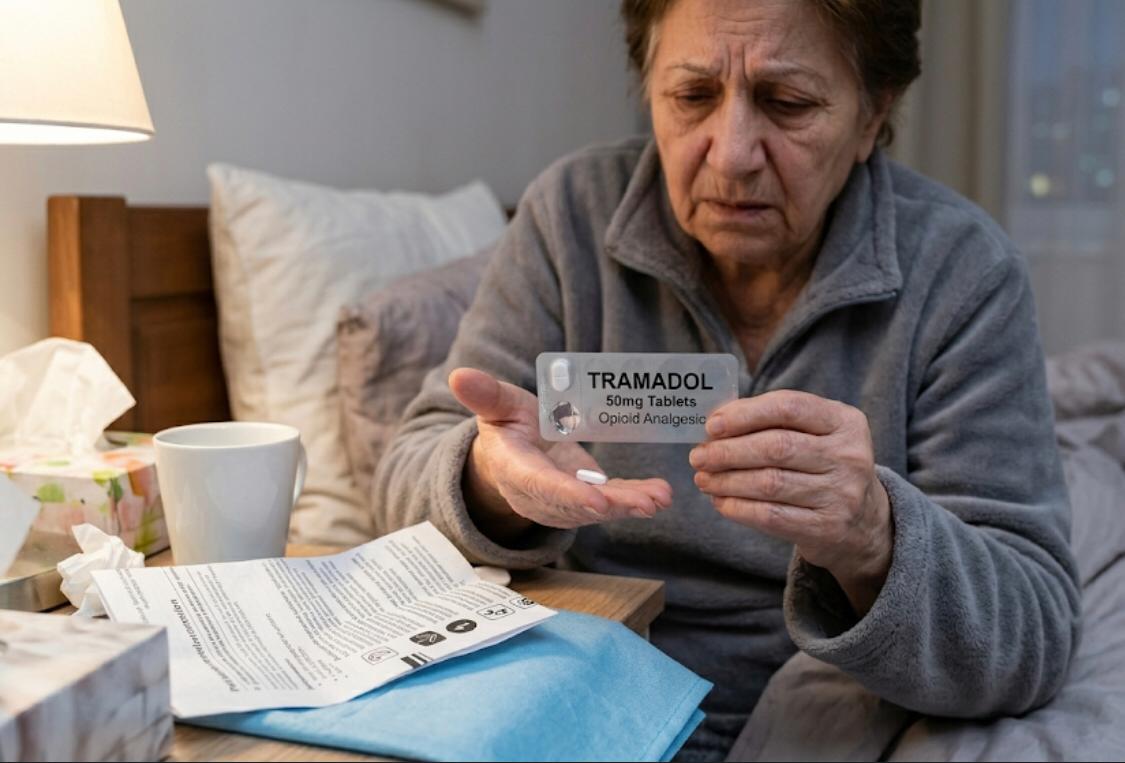
Managing Chronic Pain: The Clinical Reality of Reliever
Chronic pain is a persistent, complex condition defined by pain that lasts beyond the typical healing time of three to six months. In 2026, clinical management focuses on a multimodal approach that integrates pharmacological interventions with physical and behavioral therapies to restore functionality and improve patient quality of life. Understanding the transition from acute to chronic pain a process often involving neuroplastic changes in the nervous system is the primary focus of modern pain medicine.
The Neurobiology of Chronic Pain in 2026
To truly understand chronic pain, we must look beyond the initial site of tissue injury. In 2026, our clinical focus is firmly on “central sensitization” a state of the nervous system where the threshold for pain signaling is drastically lowered. When pain persists, the neurons in the spinal cord and brain become hyperexcitable, effectively turning the volume up on sensory input that would otherwise be non-painful.
The Transition: Acute to Chronic
The transition is not merely a passage of time; it is a structural reorganization of the nervous system.
1.Peripheral Sensitization: Damaged tissues release inflammatory mediators that lower the firing threshold of nociceptors (pain receptors).
2.Central Sensitization: Persistent signaling from peripheral nociceptors leads to long-term potentiation of synapses in the dorsal horn of the spinal cord.
3. Neuroplasticity: The brain’s cortical map undergoes changes; regions responsible for emotional processing (such as the amygdala) become hyper-connected to pain-processing regions.
Global Perspective and Socioeconomic Impact
Chronic pain is a global health priority, with a massive socioeconomic burden caused by disability, reduced workplace productivity, and high healthcare utilization.
Prevalence: Approximately 20% of the global adult population reports suffering from chronic pain.
Economic Impact: The cost of lost labor hours and healthcare expenses related to chronic pain management exceeds billions annually, necessitating more efficient, cost-effective treatment models.
Advanced Physiotherapeutic Modalities
Beyond medication, the physical medicine landscape in 2026 relies on data-driven interventions.
1. Functional Restoration Programs: These are personalized movement patterns designed to re-integrate the brain-body connection, focusing on core stability and posture.
2. Neuromodulation: In severe refractory cases, techniques such as Transcranial Magnetic Stimulation (TMS) are showing promise in resetting the maladaptive cortical plasticity associated with chronic pain states.
3. Graded Motor Imagery: A cognitive-based approach that helps patients with nerve pain “de-sensitize” their neural pathways through visualization and physical observation of movement.
Nutritional and Lifestyle Integration
The management of inflammation, a key component in many pain syndromes, is increasingly linked to metabolic health.
Anti-inflammatory Nutrition: Adopting diets rich in Omega-3 fatty acids and antioxidants has been shown to reduce systemic inflammatory markers.
Sleep Hygiene: Chronic pain and sleep disorders share a bidirectional relationship, and optimizing sleep is essential for pain recovery.
Mindfulness and Stress Reduction: Chronic stress exacerbates pain perception through cortisol pathways; integrating mindfulness practices helps lower this stress response.
The Future of Pain Medicine: Digital Health and Innovation
As we navigate 2026, the intersection of technology and pain management is transforming patient outcomes.
The Transition: Acute to Chronic
The transition is not merely a passage of time, it is a structural reorganization of the nervous system.
Peripheral Sensitization: Damaged tissues release inflammatory mediators that lower the firing threshold of nociceptors (pain receptors).
Central Sensitization: Persistent signaling from peripheral nociceptors leads to long-term potentiation of synapses in the dorsal horn of the spinal cord.
Neuroplasticity: The brain’s cortical map undergoes changes; regions responsible for emotional processing (such as the amygdala) become hyper-connected to pain-processing regions.
Global Perspective and Socioeconomic Impact
Chronic pain is a global health priority, with a massive socioeconomic burden caused by disability, reduced workplace productivity, and high healthcare utilization.
Prevalence: Approximately 20% of the global adult population reports suffering from chronic pain.
Economic Impact: The cost of lost labor hours and healthcare expenses related to chronic pain management exceeds billions annually, necessitating more efficient, cost-effective treatment models
Accessing Tramadol Safely: What Patients Need to Know Before They Buy
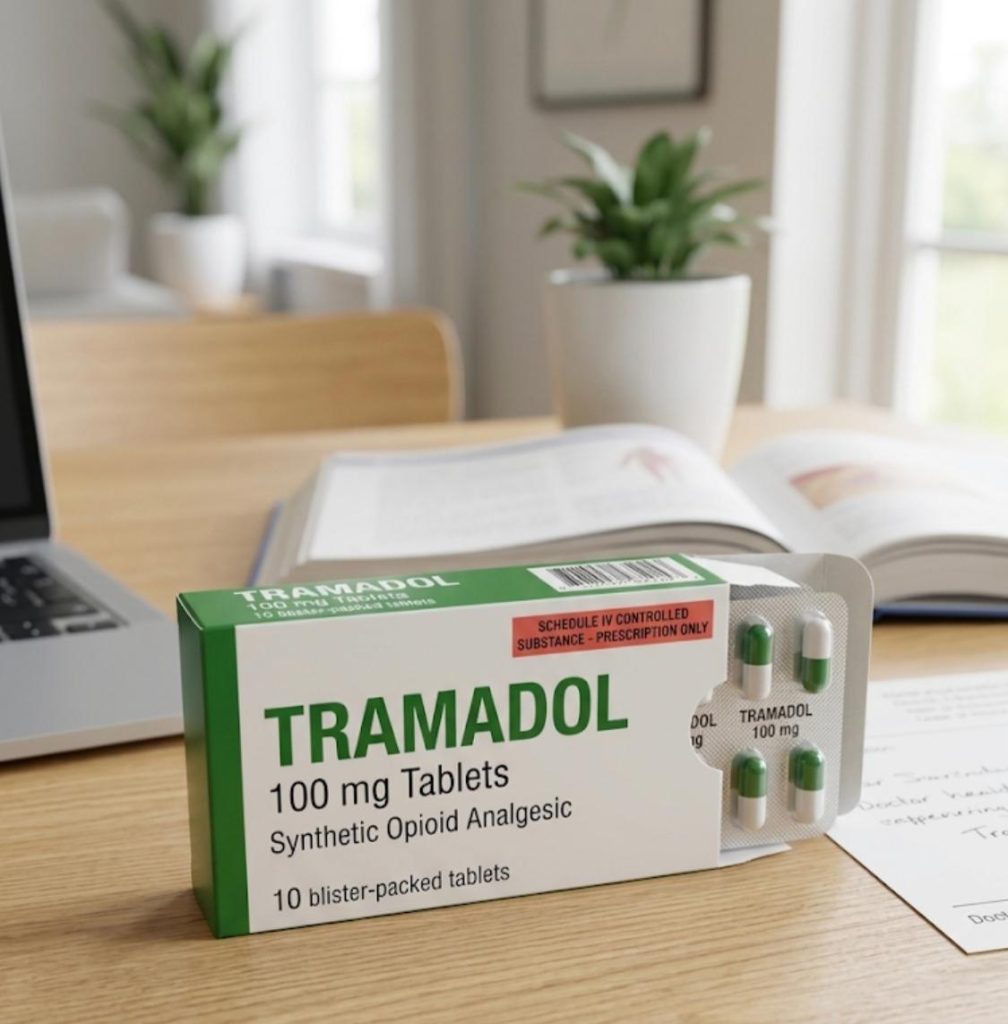
Tramadol is a Schedule IV controlled substance available only by prescription. For patients looking to buy tramadol online or to purchase tramadol through a telemedicine platform, the landscape is navigable but only through the correct channels.
Legitimate pathways to acquire tramadol now include DEA-compliant telemedicine services providing synchronous video consultations and prescription routing under the DEA’s updated 2024 telehealth prescribing rules. Patients who purchase tramadol through these verified channels receive a genuine prescription dispensed by an NABP-accredited pharmacy with full chain-of-custody guarantees.
The alternative attempting to buy prescription tramadol from unverified online sources carries risks well beyond legal exposure. Counterfeit tramadol tablets documented by the DEA and FDA have contained fentanyl as a substitute, with lethal consequences.
Before you buy tramadol online through any platform: verify the prescriber’s license through your state medical board and the pharmacy’s accreditation through the NABP VIPPS database. These two checks take under five minutes and represent the most effective harm-reduction step available.
Tramadol remains a unique and effective tool in managing chronic pain, provided it is used with strict adherence to patient selection and monitoring. By understanding the pharmacogenomic landscape and respecting the risks particularly the seizure threshold clinicians can leverage its dual-action benefits while minimizing adverse outcomes.
As we navigate the clinical realities of 2026, the focus must remain on precision dosing and personalized therapy to ensure patient safety remains at the forefront of pain management.
Clinical Decision-Making: The Art of Precision Dosing
The clinical utility of tramadol in 2026 relies on shifting away from “one-size-fits-all” prescribing. For clinicians, the primary challenge is identifying the narrow therapeutic window where analgesic efficacy outweighs the risk of side effects. This begins with rigorous patient stratification. Before initiating therapy, it is no longer sufficient to merely evaluate the pain type; one must assess the patient’s metabolic capacity.
Integrating Pharmacogenomics into Daily Practice
As we move deeper into 2026, the integration of rapid CYP2D6 genotyping has transformed tramadol from a controversial option into a precision medicine tool. Patients identified as “poor metabolizers” gain negligible analgesic benefit while being exposed to a higher risk of side effects, making tramadol an inappropriate choice for this group. Conversely, “ultra-rapid metabolizers” may experience toxic levels of O-desmethyltramadol (M1) even at standard doses.
Clinical guidelines now strongly advise that any patient with a personal or first-degree family history of seizures undergo genetic profiling if long-term tramadol use is contemplated. This genetic-first approach is the new standard of care, significantly reducing the “trial-and-error” phase that previously plagued pain management.
Proactive Risk Mitigation and Vigilance
In my clinical experience, the most successful outcomes occur when clinicians prioritize “start low, go slow” titration protocols. By initiating therapy at the lowest possible dose and evaluating response over a 7-to-10-day window, providers can identify therapeutic thresholds without unnecessarily exposing patients to the ceiling effects of serotonergic toxicity.
Furthermore, educating patients on the early signs of seizure activity such as unexplained muscle twitching or sudden dizziness empowers them to become active participants in their safety profile. Ultimately, tramadol is not a “fire-and-forget” analgesic.
Clinical Indications: Where Tramadol Genuinely Belongs
Key indications supported by Level I -II evidence as of 2026:
Post-operative pain (moderate to moderately severe) multimodal protocol componentOsteoarthritis pain refractory to NSAIDs second line analgesicDiabetic peripheral neuropathy when first line agents fail or are contraindicatedFibromyalgia adjunct to non-pharmacological therapy and SNRIsCancer related pain (mild-to-moderate WHO ladder step 2) bridge analgesic.
Advanced Physiotherapeutic Modalities
Beyond medication, the physical medicine landscape in 2026 relies on data-driven interventions.
1. Functional Restoration Programs: These are personalized movement patterns designed to re-integrate the brain-body connection, focusing on core stability and posture.
2. Neuromodulation: In severe refractory cases, techniques such as Transcranial Magnetic Stimulation (TMS) are showing promise in resetting the maladaptive cortical plasticity associated with chronic pain states.
3. Graded Motor Imagery: A cognitive-based approach that helps patients with nerve pain “de-sensitize” their neural pathways through visualization and physical observation of movement.
Nutritional and Lifestyle Integration
The management of inflammation, a key component in many pain syndromes, is increasingly linked to metabolic health.
Anti-inflammatory Nutrition: Adopting diets rich in Omega-3 fatty acids and antioxidants has been shown to reduce systemic inflammatory markers.
Sleep Hygiene: Chronic pain and sleep disorders share a bidirectional relationship, and optimizing sleep is essential for pain recovery.
Mindfulness and Stress Reduction: Chronic stress exacerbates pain perception through cortisol pathways; integrating mindfulness practices helps lower this stress response.
The Future of Pain Medicine: Digital Health and Innovation
As we navigate 2026, the intersection of technology and pain management is transforming patient outcomes.
Wearable Biometrics: Real-time monitoring of physiological markers allows clinicians to adjust treatment plans dynamically based on objective data rather than relying solely on subjective patient reporting.
Tele-Rehabilitation: Virtual reality (VR) and augmented reality (AR) are increasingly utilized to guide patients through physical therapy, providing immersive distraction techniques that significantly reduce pain perception during movement.
Artificial Intelligence (AI) in Diagnostics: AI-driven platforms are being deployed to predict “pain flares” by analyzing a patient’s historical data, weather patterns, and activity logs.
Pharmacogenomics: We are moving toward a model where a patient’s genetic profile determines the most effective analgesic therapy, minimizing trial-and-error prescribing.
Precision Neuromodulation: The next generation of implantable devices utilizes closed-loop systems that detect neural pain signals and deliver targeted electrical pulses only when needed.
Pharmacological Control: The Role of Tramadol
For cases of moderate to severe chronic pain where first-line non-opioid therapies have proven insufficient, medications such as Tramadol are frequently integrated into the treatment option. Tramadol functions through a dual mechanism: it acts as a weak mu-opioid receptor agonist and inhibits the reuptake of serotonin and norepinephrine, creating a multi-faceted analgesic effect.
When patients are advised to purchase Tramadol to manage their condition, safety and legitimacy must remain the absolute priority. It is strictly required to buy Tramadol online or through physical pharmacies only when a valid, physician-verified prescription is presented. When you purchase Tramadol from regulated, accredited pharmacies, you ensure the medication is genuine, correctly dosed, and compliant with safety standards.
Patients aiming to acquire a supply for their long-term pain management plan must engage in regular clinical reviews to monitor for efficacy and potential dependencies. To buy prescription Tramadol, always ensure you are using licensed vendors, as the quality of the analgesic is essential to achieving consistent therapeutic outcomes.
Whether you need to secure a supply for ongoing relief or a specific course of treatment, prioritize pharmacies that mandate a prescription to prevent the inherent risks associated with unregulated distribution. Before you buy Tramadol online, verify the license of the provider, as quality control is non-negotiable for pain relief.
Extended FAQ: Comprehensive Pain Management
1.Why is a multidisciplinary approach more effective than medication alone?
Chronic pain is multifaceted; targeting only the physiological symptom while ignoring the psychological and functional aspects often leads to incomplete recovery.
2.How does 2026 medical guidance for pain control differ from previous models?
Modern clinical guidelines place a higher emphasis on long-term functional improvement and safety, shifting toward personalized, multidisciplinary care.
3.Can psychological techniques like CBT actually change physicalpain intensity?
Yes, Cognitive Behavioral Therapy (CBT) helps modulate the brain’s pain-processing centers, which can reduce the subjective intensity of pain.
4.Where can patients safely purchase their prescribed pain medication?
You should always purchase prescription analgesics through licensed, verified pharmacies to ensure the medication’s safety and pharmaceutical potency.
5.What should I do if I experience a flare-up despite my maintenance plan?
A flare-up should be managed according to your pre-agreed “Pain Action Plan,” which usually involves temporary activity modification and close communication with your clinical team.
Conclusion: Navigating Pain Management Safely in 2026
Tramadol remains a unique and effective tool in managing chronic pain, provided it is used with strict adherence to patient selection and monitoring. By understanding the pharmacogenomic landscape and respecting the risks particularly the seizure threshold clinicians can leverage its dual-action benefits while minimizing adverse outcomes.
As we navigate the clinical realities of 2026, the focus must remain on precision dosing and personalized therapy to ensure patient safety remains at the forefront of pain management.
Evidence-Based Foundations
1. International Association for the Study of Pain (IASP). Global Standards for Chronic Pain Management, 2026 Update.
2. World Health Organization (WHO). Guidelines on the Pharmacological Treatment of Persisting Pain, 2026.
3 .The Lancet Rheumatology. Advances in Multimodal Analgesia and Functional Outcomes, 2026.
4. American Pain Society. Evidence-Based Pain Management Protocols and Clinical Outcomes, 2026.
5. Journal of Pain Research. Neuroplasticity and the Evolution of Chronic Pain Treatments, 2026.
Related Post

Pathway to Wellbeing: Medicine, Treatments and Healthy Lifestyle
Introduction Wellbeing is not built from one choice or one treatment. It develops when…
One thought on “Managing Chronic Pain: The Clinical Reality of Reliever”
Comments are closed.