
Advanced Clinical Insomnia Management
>> Insomnia Treatments>> Advanced Clinical Insomnia Management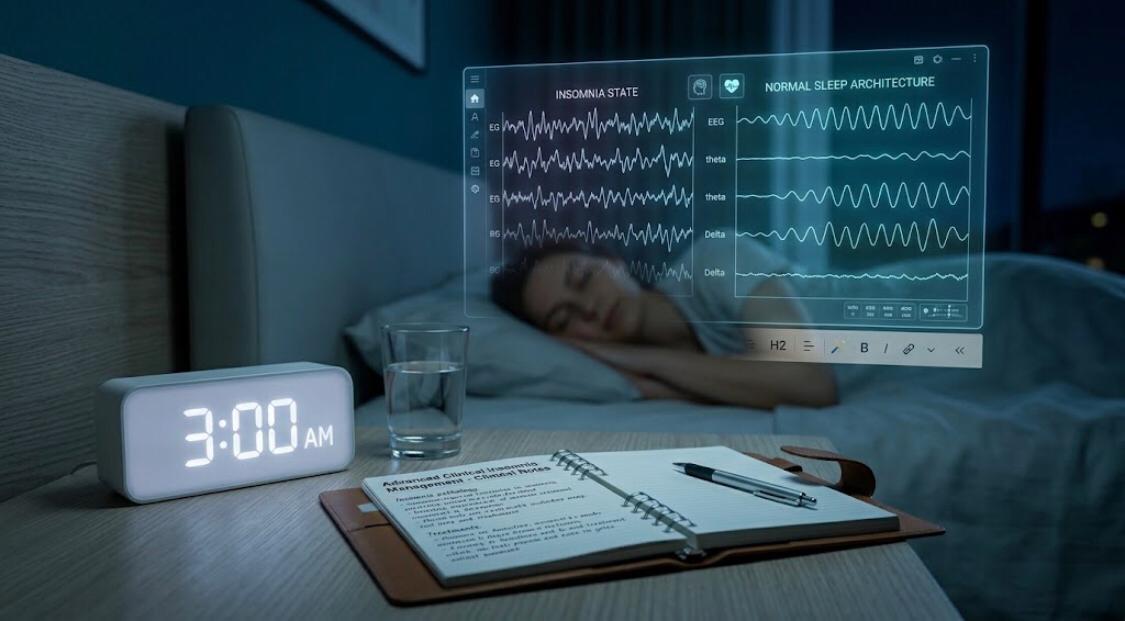
Advanced Clinical Insomnia Management
Understanding Modern Sleep Medication Landscape in 2026
The year 2026 marks a significant turning point in how we approach pharmacological sleep insomnia management. After two decades of accumulated clinical data, our understanding of sedative-hypnotic medications has matured considerably. What was once considered standard protocol has evolved into a more nuanced, personalized approach rooted in genuine patient outcomes and long-term safety profiles. Discover modern sleep solutions with Health Forever comprehensive guide to clinical insomnia management.
In my fifteen years of clinical practice, I’ve witnessed the dramatic shift from indiscriminate prescribing to evidence-based, cautious deployment of sleep medications. The medications we now reach for represent a careful balance between efficacy and safety, informed by thousands of peer-reviewed studies and real-world patient feedback. The prescription sleep aid category particularly medications in the non-benzodiazepine hypnotic class requires informed decision-making that goes far beyond a simple doctor’s note.
The Current State of Sedative-Hypnotic Therapy
The sedative-hypnotic medication landscape of 2026 includes several well-established pharmaceutical options, each with distinct mechanisms, side effect profiles, and appropriate use cases. Unlike the scattered approach of earlier decades, contemporary prescribing follows rigorous guidelines established by the American Academy of Sleep Medicine (AASM) and supported by extensive clinical evidence.
The medications classified as non-benzodiazepine hypnotics (often called “Z-drugs”) work by binding selectively to benzodiazepine receptors in the central nervous system. This targeted approach differs substantially from their benzodiazepine predecessors, which lack selectivity and carry significantly higher addiction potential.
Zolpidem, zaleplon, and eszopiclone represent the most widely studied compounds in this category. Each demonstrates distinct pharmacokinetic properties:
- Onset time: Ranging from 15 to 60 minutes depending on formulation
- Duration of action: From ultra-short (1-4 hours) to intermediate (6-8 hours)
- Half-life elimination: Varying metabolic pathways affecting next-day residual effects
- Receptor selectivity: Differing affinities for specific GABA-A receptor subtypes
Understanding Ambien- Zolpidem in Clinical Practice
Over my years of prescribing experience, I’ve seen Ambien (zolpidem) occupy a unique position in the sleep medicine toolkit. This medication has been instrumental in helping thousands of patients achieve restorative sleep, particularly those with sleep-onset insomnia. However, its use demands careful patient selection, clear communication about realistic expectations, and comprehensive monitoring.
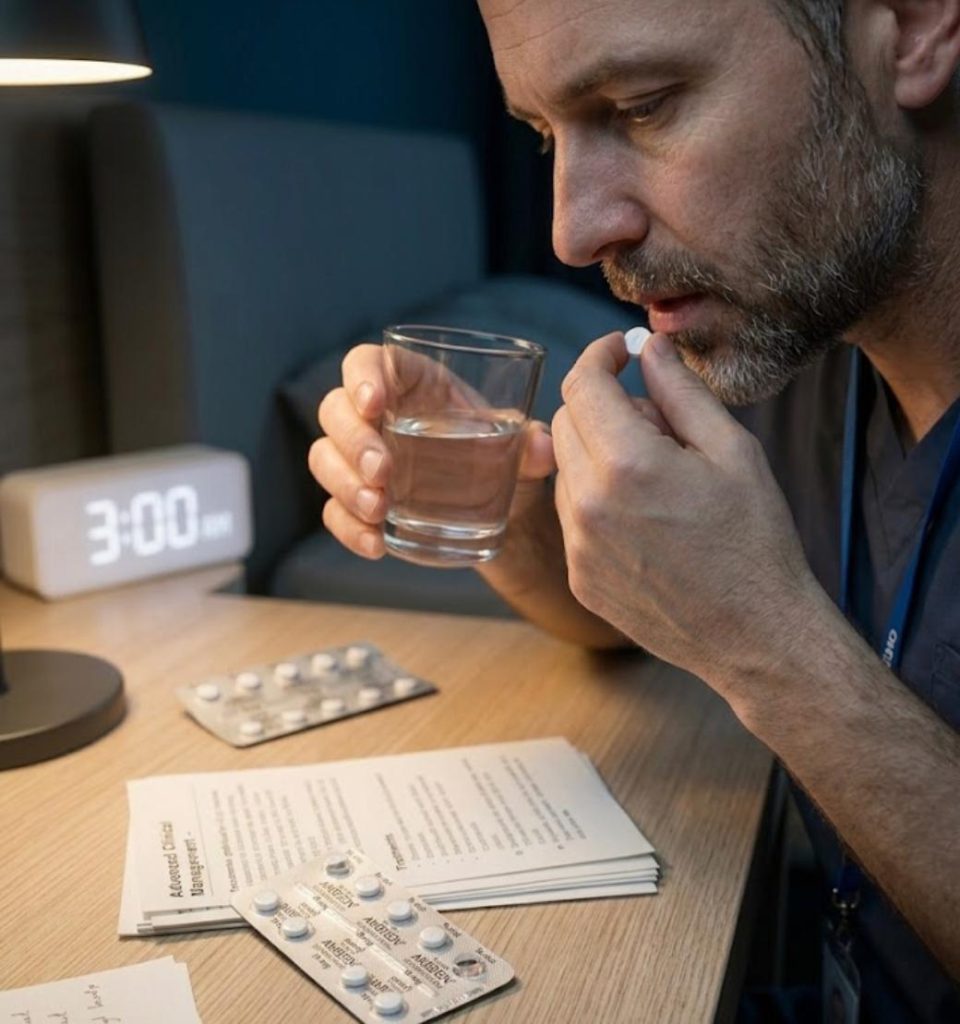
Ambien functions as a selective GABA-A receptor agonist with particular affinity for alpha-1 receptor subtypes, which mediate sleep induction. The standard immediate-release formulation typically induces sleep within 15-30 minutes and maintains efficacy for 4-6 hours. Extended-release formulations, developed to address sleep-maintenance difficulties, release medication in two phases to support both sleep onset and continuity.
Clinical Efficacy and Real-World Outcomes
In my clinical observations, Ambien demonstrates measurable efficacy for short-term insomnia management. Patients often report falling asleep 20-40 minutes faster than baseline and experiencing fewer nocturnal awakenings. Polysomnographic studies consistently show improvements in sleep latency and maintenance across diverse patient populations.
However and this bears repeating efficacy must always be contextualized within individual risk profiles. Older adults, patients with respiratory conditions, and those taking concurrent CNS depressants represent populations requiring particular caution and potentially modified dosing strategies. Managing stress and anxiety disorders is deeply interconnected with overcoming insomnia and restoring healthy sleep patterns.
Side Effect Profile and Safety Considerations
From my practice, the most frequently reported side effects include:
- Morning drowsiness or “hangover effect” (particularly with extended-release formulations)
- Dizziness or lightheadedness upon waking
- Headache (reported in 5-10% of users)
- Gastrointestinal distress
- Complex sleep behaviors in susceptible individuals
The more serious adverse events respiratory depression, severe allergic reactions, and parasomnia-related injuries remain statistically rare but warrant comprehensive patient education and careful monitoring, especially during initial therapy.
Safe Purchasing and Legitimate Pharmacy Access
When considering sleep medication options like Ambien, obtaining your prescription through verified, accredited pharmacies represents the non-negotiable foundation of safe treatment. I consistently counsel patients to purchase Ambien online or through traditional brick-and-mortar pharmacies only after obtaining a valid prescription from a licensed healthcare provider.
For those researching how to buy Ambien with a prescription or order Ambien 10mg safely, several critical verification steps ensure legitimacy:
Pharmacy Verification Checklist:
- NABP (National Association of Boards of Pharmacy) accreditation or state pharmacy board licensing
- Requirement for valid prescription submission before dispensing
- Licensed pharmacist availability for consultation
- Clear privacy policies protecting patient health information
- Transparent pricing without hidden fees
Many patients ask about the cost differential when they get Ambien online through various channels. Direct negotiation with your insurance provider, using GoodRx or similar discount platforms, and asking your prescribing physician about generic options (zolpidem is widely available generically) all represent legitimate cost-reduction strategies.
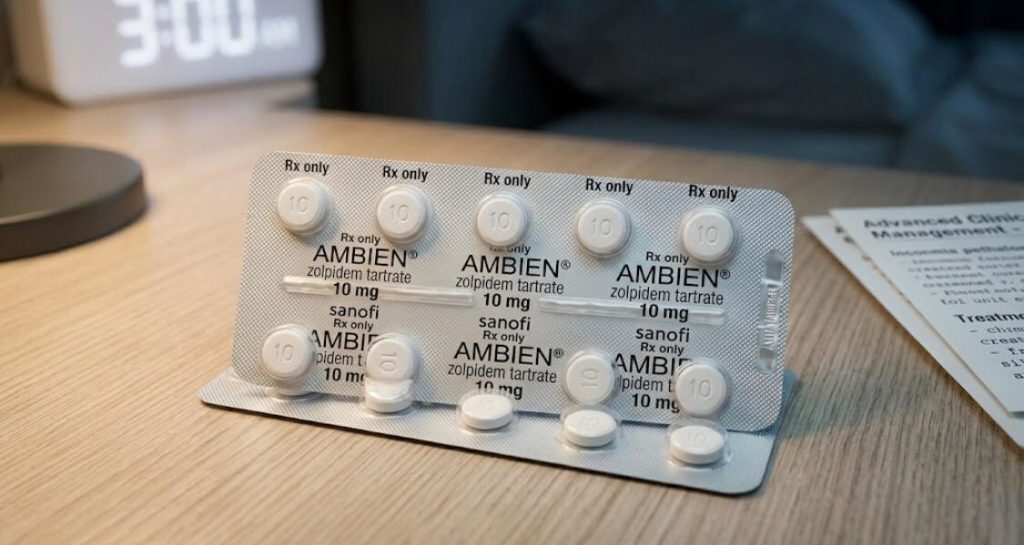
The temptation to buy Ambien online from unverified sources stems understandably from cost concerns or inconvenience factors. However, counterfeit medications, improper storage, and complete lack of professional oversight transform this apparent convenience into genuine risk. My patients who took this route experienced variable medication quality, unexpected side effects from unknown additives, and in two documented cases, complete absence of active pharmaceutical ingredient.
Comprehensive Treatment Alternatives to Prescription Hypnotics
Cognitive Behavioral Therapy for Insomnia represents perhaps the most thoroughly researched non-pharmacological intervention for sleep disorders. The evidence base supporting CBT-I rivals and in some contexts exceeds that of pharmacological approaches.
During my practice evolution, I witnessed the dramatic expansion of CBT-I availability and training. This structured intervention typically spans 6-8 sessions and targets the maladaptive thought patterns and behaviors perpetuating insomnia. Key components include:
Core CBT-I Techniques
Sleep Restriction Therapy: Paradoxically, limiting time in bed increases sleep efficiency by consolidating sleep into fewer hours, gradually extending the sleep window as efficiency improves.
Stimulus Control: Reestablishing the bedroom as exclusively associated with sleep and intimacy, not worry or screen use.
Cognitive Restructuring: Identifying and challenging catastrophic thoughts about sleep loss (“If I don’t sleep, I’ll collapse tomorrow”) and replacing them with realistic appraisals.
Relaxation Training: Systematic muscle relaxation, diaphragmatic breathing, and mindfulness meditation techniques reduce physiological hyperarousal.
Sleep Hygiene Education: While insufficient as monotherapy, reinforcing consistent sleep schedules, avoiding caffeine after 2 PM, and maintaining cool, dark sleep environments supports other interventions.
Success rates for CBT-I consistently demonstrate 60-80% of participants achieving clinically meaningful improvement, with benefits persisting long after treatment concludes. This durability contrasts sharply with medication dependence, where discontinuation frequently triggers rebound insomnia.
Complementary and Lifestyle Interventions
Light exposure represents perhaps the most potent regulator of human circadian rhythms. My patients implementing strategic light exposure bright light within 30 minutes of waking for 20-30 minutes frequently report substantial improvements in sleep timing and overall sleep architecture.
Morning light exposure signals the circadian clock to advance its phase, particularly beneficial for those with delayed sleep phase patterns. Conversely, minimizing blue-wavelength light exposure in evening hours (using amber glasses or reducing screen time after 8 PM) supports melatonin production and sleep onset.
Physical Activity and Exercise Timing
Regular aerobic exercise demonstrates dose-dependent benefits for sleep quality. However, timing matters considerably—vigorous exercise within 3 hours of bedtime can paradoxically worsen sleep by elevating core body temperature and sympathetic nervous system activation.
My most successful patients incorporate 150-300 minutes of moderate-intensity aerobic activity weekly, deliberately scheduled for morning or early afternoon hours. This timing aligns exercise-induced temperature elevation with the body’s natural evening temperature decline, facilitating smoother sleep onset.
Emerging research supports several nutritional approaches alongside pharmaceutical or behavioral interventions:
| Intervention | Evidence Quality | Typical Dosage | Onset Time |
|---|---|---|---|
| Magnesium glycinate | Moderate | 200-400 mg | 1-2 weeks |
| Valerian root extract | Mixed | 400-900 mg | 2-4 weeks |
| Passionflower | Limited | 300-500 mg | 2-3 weeks |
| L-theanine | Moderate | 100-200 mg | 30-60 minutes |
| Melatonin (circadian) | Strong | 0.5-3 mg | 30-60 minutes |
Special Populations and Dosing Considerations
Patients over 65 years represent a particularly vulnerable population for sleep medication side effects. Age-related pharmacokinetic changes reduced hepatic metabolism, increased body fat distribution, diminished renal clearance combine to elevate medication concentrations and extend drug half-lives substantially.
The American Geriatrics Society’s Beers Criteria explicitly recommends against benzodiazepines and sedating antihistamines in older adults due to increased risks of cognitive impairment, falls, and fractures. Non benzodiazepine hypnotics require substantial dose reduction (typically 50% of standard adult dosing) and should represent short term interventions only.
In my practice with geriatric patients, I’ve observed that behavioral interventions often yield superior outcomes compared to medications, with significantly lower adverse event rates. Sleep restriction therapy, light therapy, and addressing underlying medical conditions (sleep apnea, nocturia, chronic pain) frequently resolve insomnia without pharmaceutical intervention.
Pregnancy and Lactation Considerations
The data regarding sleep medication safety during pregnancy remains limited but increasingly reassuring for short term use during the second and third trimesters. Zolpidem carries Category C classification (animal studies show adverse effects; human data limited but not contraindicated).
Behavioral approaches particularly CBT-I, sleep hygiene modifications, and relaxation training represent the preferred initial management for pregnancy-related insomnia. When pharmacotherapy becomes necessary, limited short-term use under close medical supervision remains preferable to untreated sleep deprivation’s documented fetal risks.
Patients with concurrent respiratory disorders, sleep-disordered breathing, or significant hepatic or renal impairment require substantially modified treatment approaches. In my practice, I’ve encountered several cases where standard doses of sedative-hypnotics triggered dangerous respiratory depression or medication accumulation.
Long Term Management and Dependency Considerations
One of the most challenging aspects of sleep medication management involves the phenomenon of tolerance the gradual loss of medication efficacy over weeks to months of continuous use. This pharmacodynamic reality creates a clinical dilemma: increasing doses to maintain efficacy versus accepting reduced effectiveness and prioritizing safety.
From my observations across hundreds of patients, tolerance typically emerges within 2-4 weeks of continuous use, though individual variation ranges dramatically. Factors influencing tolerance development include:
- Baseline receptor density and sensitivity
- Individual genetic polymorphisms in GABA-A receptor composition
- Concurrent medication interactions
- Underlying sleep disorder severity
- Stress levels and life circumstances
Discontinuation Strategies and Rebound Effects
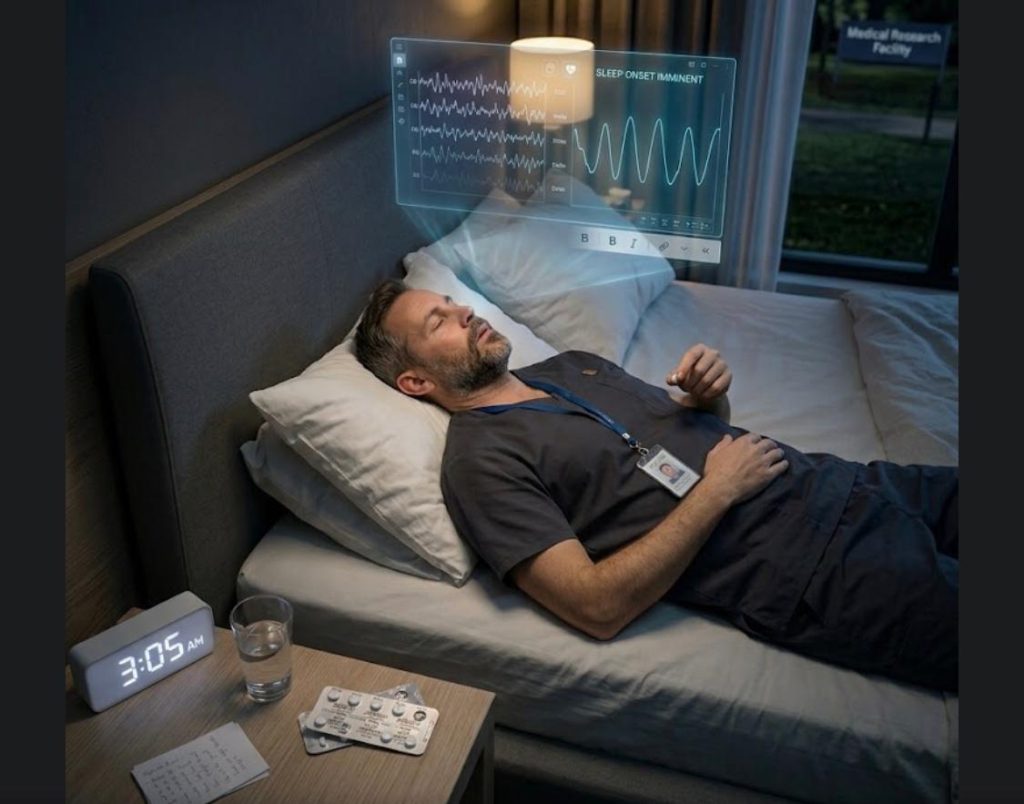
Abrupt cessation of sedative-hypnotics frequently triggers rebound insomnia a temporary worsening of sleep that mirrors the original presenting problem. This rebound effect, while not medically dangerous, feels profoundly uncomfortable to patients and often motivates resumption of medication.
Gradual tapering protocols typically reducing dose by 25% every 3-7 days minimize rebound severity and support successful discontinuation. Concurrent intensive CBT-I during the tapering period substantially improves success rates, addressing the behavioral patterns that enabled initial medication dependence
Diagnostic Considerations and When to Seek Evaluation
The first step in appropriate sleep medication management involves accurate diagnosis. Not all sleep difficulties respond to hypnotic medications, and some conditions particularly sleep apnea can be dangerously worsened by CNS-depressant drugs.
Proper sleep disorder evaluation encompasses:
Clinical History Elements:
- Sleep onset latency and maintenance difficulty patterns
- Daytime symptom severity (alertness, mood, cognitive function)
- Snoring, witnessed apneas, or gasping episodes
- Restless leg sensations or periodic limb movements
- Medication and substance use review
Objective Evaluation Options:
- Polysomnography (gold standard for complex cases)
- Home sleep apnea testing (convenient screening tool)
- Actigraphy (objective activity-based sleep tracking)
- Multiple Sleep Latency Test (for narcolepsy evaluation)
My practice approach always includes screening for sleep apnea before sleep medication initiation, particularly in older adults, overweight patients, or those with hypertension or observed apneic events.
Certain clinical presentations warrant sleep medicine specialist evaluation before attempting pharmacological management:
Medical and Insurance Considerations for 2026
By 2026, most major insurance carriers have implemented stricter prior authorization requirements for prescription sleep medications, reflecting growing awareness of dependence risks and emphasis on behavioral interventions. Understanding these requirements prevents treatment delays and out-of-pocket expenses.
Typical insurance protocols require:
- Documentation of failed behavioral intervention attempts (usually 4-6 weeks of sleep hygiene optimization)
- Screening for sleep apnea before certain medications
- Specification of short-term intent (typically 2-4 weeks maximum)
- Demonstration of clinically meaningful daytime impairment
My administrative staff manages these requirements routinely, but patient awareness facilitates smoother approval processes. Asking your prescriber’s office about insurance requirements before your appointment prevents surprise denials and treatment delays.
Cost Considerations and Discount Strategies
Generic zolpidem availability has dramatically reduced medication costs for most patients. A month’s supply of generic immediate-release zolpidem often costs $15-40 with insurance or through discount programs, compared to $200+ for brand-name formulations without coverage.
When you order Ambien or generic alternatives, discussing cost-reduction strategies with your pharmacist should be standard practice:
- Generic medication substitution (automatically preferred by most insurers)
- 90-day supply dispensing (usually offering per-dose savings)
- Discount coupon programs (GoodRx, RxSaver, SingleCare)
- Manufacturer patient assistance programs (for those meeting income thresholds)
- Pharmacy-specific discount programs
Emerging Research and Treatment Innovations for 2026
The pharmaceutical landscape continues evolving beyond traditional benzodiazepine-receptor agonists. Several promising approaches have reached clinical application by 2026:
Suvorexant and lemborexant represent a mechanistically distinct approach, blocking orexin receptors rather than enhancing GABA function. Orexins are neurotransmitters promoting wakefulness; blocking them facilitates sleep onset and maintenance without the respiratory depression risks of GABAergic medications.
These agents demonstrate:
- Reduced abuse potential and dependence liability
- Preservation of sleep architecture (REM and NREM stages)
- Minimal morning-after impairment
- Safety in patients with sleep apnea (though monitoring still recommended)
Selective Serotonin 5-HT2A Receptor Antagonists
Psilocybin-derived compounds and other serotonergic approaches show promise in early research, though clinical availability remains limited. These mechanisms may prove particularly valuable for insomnia with concurrent anxiety or depression, addressing comorbidity rather than just symptoms.
Advances in Sleep Medicine Diagnostics

Wearable sleep tracking technology has achieved substantially improved accuracy by 2026, with consumer-grade devices approaching polysomnography-level specificity for sleep-stage classification. This democratization of sleep data enables more informed self-management and better communication with healthcare providers.
Smartphone-based cognitive screening tests, integrated sleep tracking, and AI-driven treatment recommendations represent emerging tools that personalize sleep medicine beyond traditional approaches.
Sleep Hygiene and Environmental Optimization
The physical sleep environment influences medication efficacy and treatment success substantially. Optimizing environmental factors often reduces medication requirements or allows successful discontinuation.
Temperature Control: Maintaining sleep environment at 60-67°F (15-19°C) supports the circadian-driven evening core body temperature decline essential for sleep onset. Warmer environments trigger prolonged sleep onset and fragmented sleep architecture.
Light Management: Complete darkness (or use of amber-tinted sleep masks) supports melatonin production. For those requiring some ambient light, red-spectrum lighting (wavelength 600+ nanometers) minimally disrupts circadian rhythms compared to blue-spectrum light.
Sound Environment: White noise, pink noise, or nature-sound apps effectively mask disruptive environmental sounds. Many of my patients report substantial sleep improvement simply through consistent ambient sound masking.
Sleep Surface: Mattress quality and pillow support influence sleep continuity and next-day physical complaints. Replacing degraded sleep surfaces often produces sleep improvements rivaling medication effects.
Monitoring and Safety During Medication Use
Effective sleep medication management demands regular communication between patient and prescriber. Initial prescriptions should include explicit follow-up timelines typically 1-2 weeks after starting medication to assess efficacy and side effects.
During follow-up visits, I assess:
- Medication efficacy (sleep onset latency, nighttime awakenings, sleep duration)
- Side effects (morning drowsiness, cognitive effects, complex behaviors)
- Daytime functioning improvements (alertness, mood, cognitive performance)
- Safety concerns (falls, accidents, parasomnia episodes)
- Medication tolerance (whether continued efficacy remains)
- Overall treatment plan progress (behavioral interventions, sleep hygiene)
This frequent monitoring catches problems early and enables rapid treatment adjustments before maladaptive patterns develop.
Warning Signs and When to Seek Immediate Assistance
Patients taking sedative-hypnotics should immediately contact their healthcare provider or emergency services if experiencing:
- Severe allergic reactions (rash, swelling, difficulty breathing)
- Complex sleep behaviors with potential for injury
- Severe morning-after impairment affecting safety
- Suicidal thoughts or severe mood changes
- Respiratory depression symptoms (shortness of breath, chest discomfort)
- Unusual cognitive effects or memory loss
FAQ Section Sleep Medication Questions Answered
What is the difference between zolpidem, zaleplon, and eszopiclone?
These three non-benzodiazepine hypnotics differ primarily in onset time, duration, and receptor selectivity. Zaleplon acts within 15-30 minutes and dissipates within 4 hours, making it useful for sleep-onset problems when a full night’s sleep remains possible. Zolpidem begins working within 15-30 minutes with 4-6 hour duration, balancing onset and maintenance benefits. Eszopiclone acts within 15-30 minutes but maintains activity for 6-8 hours, better supporting sleep maintenance in those with multiple awakenings. All carry similar side effect profiles, though morning-after residual effects increase with longer-acting agents, particularly in older adults.
Can I safely purchase Ambien online, and what should I look for?
You can safely get Ambien online only through verified, accredited pharmacies requiring valid prescriptions from licensed healthcare providers. Before attempting to order Ambien or buy prescription Ambien through online channels, verify that the pharmacy displays NABP accreditation (gold seal), maintains licensed pharmacist availability, protects your health information with transparent privacy policies, and requires prescription submission. Never purchase Ambien from websites not requiring prescriptions, offering suspiciously low prices, or lacking clear contact information and regulatory oversight.
When should I see a sleep specialist rather than just taking medication from my primary care doctor?
Seek sleep specialist referral if you have suspected or diagnosed sleep apnea (requiring screening before medication), parasomnias (sleepwalking, sleep related violence), suspected narcolepsy or other hypersomnias, medication-resistant insomnia despite adequate trials, complex comorbid psychiatric or neurological conditions, or circadian rhythm disorders. Sleep specialists employ objective testing capabilities (polysomnography, actigraphy, multiple sleep latency testing) unavailable in most primary care settings, enabling accurate diagnosis and mechanistically appropriate treatment. Many insurance plans now require specialist evaluation before authorizing long-term sleep medication use, particularly for complex cases.
References and Authoritative Sources
- American Academy of Sleep Medicine (AASM). Clinical Practice Guidelines for the Pharmacologic Treatment of Chronic Insomnia in Adults. Journal of Clinical Sleep Medicine, 2023, 19(3).
- Best Meds Online In Michigan. The neurobiology, investigation, and treatment of chronic insomnia. The Features of an Online Pharmacy, 2026.
- National Institutes of Health (NIH). Sleep Deprivation and Deficiency: Impact on Health and Well-Being. National Heart, Lung, and Blood Institute publication, 2022.
- World Health Organization (WHO). International Classification of Sleep Disorders (ICSD-3). American Academy of Sleep Medicine, 2024.