

- September 2, 2020
- by HealthForever
- 1
- 11:36 am
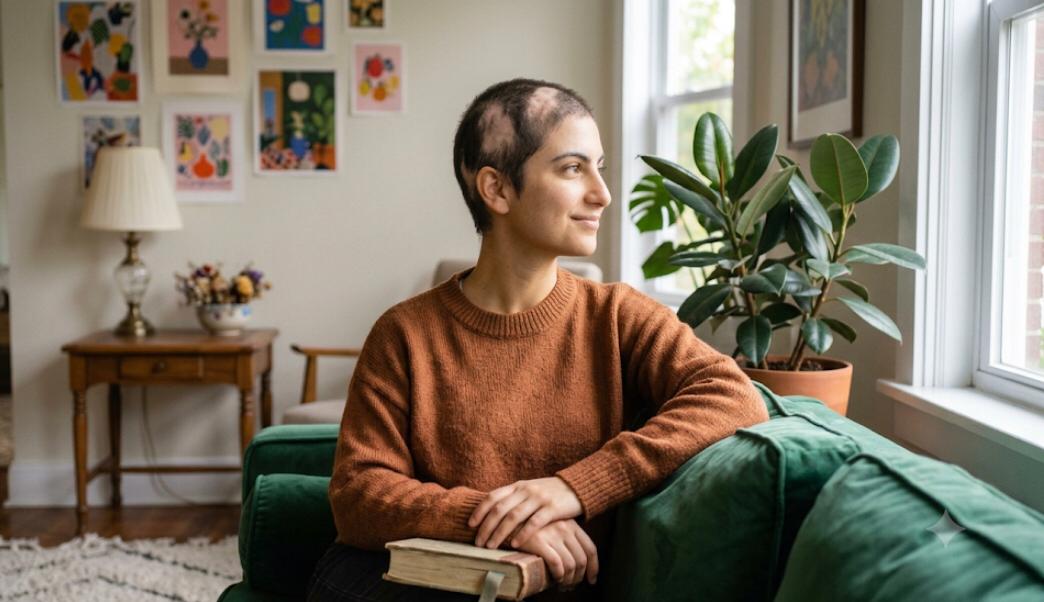
Alopecia represents a diverse group of hair loss conditions affecting millions of Americans across all demographics. After practicing dermatology for over fifteen years, I’ve witnessed the profound psychological impact hair loss creates often disproportionate to its medical severity. The emotional distress my patients experience drives home why staying current with emerging treatments matters so deeply.
The term “alopecia” encompasses multiple distinct conditions, each with unique pathophysiology, clinical presentation, and treatment approach. Androgenetic alopecia (pattern baldness) affects approximately 50 million men and 30 million women in the United States alone. Alopecia areata, an autoimmune condition, impacts roughly 6.8 million Americans. Less common variants include traction alopecia, cicatricial (scarring) alopecias, and telogen effluvium.
Understanding the specific type of alopecia is fundamental to effective treatment. I’ve seen countless patients who attempted self-treatment with over-the-counter products for months before seeking professional evaluation, only to discover they had a condition requiring completely different therapeutic approaches.

When exploring the root causes of [alopecia areata], it is essential to look at both genetics and lifestyle factors that trigger sudden [hair loss]. While this condition is primarily autoimmune, patients often research how routine treatments for other chronic illnesses might interact with their body. For instance, discussions around unexpected side effects like [inhaler hair loss] correlations highlight the importance of discussing all medications with your doctor to understand their full impact on your wellness journey.
Hair follicles undergo continuous cycling through growth (anagen), transition (catagen), and resting (telogen) phases. Disruption of this cycle manifests as various alopecia patterns.
Androgenetic Alopecia Mechanism:
In genetically susceptible individuals, dihydrotestosterone (DHT) a potent androgen metabolized from testosterone by 5-alpha-reductase enzyme binds to follicular androgen receptors. This binding triggers follicular miniaturization, progressively shortening the anagen phase and reducing hair shaft diameter. Over successive cycles, terminal hairs transform into vellus hairs, creating the characteristic thinning pattern.
Men typically develop recession at the temporal regions and vertex thinning (Hamilton-Norwood pattern). Women more commonly experience diffuse thinning over the central scalp with frontal hairline preservation (Ludwig pattern).
Alopecia Areata Mechanism:
This autoimmune condition involves CD8+ T-lymphocyte infiltration around anagen-phase follicles, creating an inflammatory environment that disrupts the follicle’s immune privilege. The result: sudden, patchy hair loss in well-demarcated areas. I’ve observed patients who develop single small patches that spontaneously resolve, while others progress to alopecia totalis (complete scalp hair loss) or alopecia universalis (total body hair loss).
Telogen Effluvium Mechanism:
Significant physiological stress surgery, severe illness, childbirth, rapid weight loss, nutritional deficiency, or medication changes can synchronously shift large percentages of follicles into telogen phase. Approximately 2-3 months later, patients experience dramatic shedding. One patient I treated lost nearly 40% of her hair volume three months post-partum, causing severe anxiety until I explained the self-limiting nature and expected regrowth timeline.
| Treatment | Mechanism | Efficacy | Approved For | Common Side Effects |
|---|---|---|---|---|
| Minoxidil 2-5% topical | Vasodilation, anagen prolongation, follicle stimulation | 60-70% show improvement | Male and female pattern baldness | Scalp irritation, unwanted facial hair (women), initial shedding |
| Finasteride 1mg oral | 5-alpha-reductase type II inhibition, DHT reduction | 83-90% halt progression; 65% regrowth | Male pattern baldness only | Sexual dysfunction (2-4%), mood changes (rare) |
| Dutasteride 0.5mg oral | Dual 5-alpha-reductase inhibition (types I and II) | Superior DHT suppression vs. finasteride | Off-label for pattern baldness | Similar to finasteride, potentially higher incidence |
| Low-level laser therapy | Photobiomodulation, cellular metabolism enhancement | 40-60% improvement | Male and female pattern baldness | Minimal; time commitment |
| Platelet-rich plasma | Growth factor delivery to follicles | Variable; 60-70% in quality studies | Adjunctive therapy | Pain during injection, temporary swelling |
| JAK inhibitors (baricitinib, ritlecitinib) | Janus kinase pathway inhibition | 20-40% significant regrowth in alopecia areata | Severe alopecia areata | Infections, laboratory abnormalities, acn |
Several established telehealth companies specializing in hair loss treatment have emerged, offering monthly subscription models that bundle medical consultation with medication delivery. While convenient, patients should verify provider credentials and pharmacy accreditation.
Red flags indicating unsafe sources:
Verification steps I recommend:
Cost considerations when seeking to acquire finasteride:
Generic Propecia (finasteride) typically costs $10-30 monthly through traditional pharmacies with standard insurance coverage or discount programs like GoodRx. Patients can often secure a supply at competitive pricing through:
Some patients purchase Propecia online through telehealth services that charge $20-50 monthly including both consultation and medication competitive with traditional pathways while offering convenience.
The imperative of medical supervision:
Beyond the procurement method, ongoing medical oversight remains paramount. I’ve encountered patients who obtained finasteride through questionable channels, used it without monitoring, and developed concerning symptoms without established care pathways for guidance.
Proper Propecia use requires:
One patient acquired finasteride from an overseas online pharmacy without prescription, used it inconsistently for four months, saw no results, and concluded the medication “doesn’t work.” Proper evaluation revealed he had advanced pattern loss unlikely to regrow substantially (though progression could be halted), plus his inconsistent dosing undermined even stabilization potential. After transitioning to supervised care with appropriate expectation-setting and adherence support, he successfully stabilized his hair loss and later pursued transplantation to restore the hairline.
The message I emphasize: whether patients buy Propecia online through telehealth platforms or obtain prescriptions through traditional office visits, medical oversight ensures safe, effective treatment while avoiding counterfeit products, inappropriate use, or missed alternative diagnoses.
June 2022 marked a watershed moment when the FDA approved baricitinib (Olumiant) for severe alopecia areata the first systemic therapy approved for this indication. Subsequently, ritlecitinib (Litfulo) gained approval in June 2023 for adolescents and adults.When exploring the root causes of [alopecia areata], it is essential to look at both genetics and lifestyle factors that trigger sudden hair loss . While this condition is primarily autoimmune, patients often research how routine treatments for other chronic illnesses might interact with their body. For instance, discussions around unexpected side effects like inhaler hair loss correlations highlight the importance of discussing all medications with your doctor to understand their full impact on your wellness journey.
Mechanism:
Janus kinase (JAK) enzymes mediate signaling for multiple cytokines implicated in alopecia areata pathogenesis. JAK inhibition suppresses the autoimmune attack on hair follicles.
Clinical trial data:
In pivotal trials, baricitinib 2-4mg daily produced significant hair regrowth (defined as ≤20% scalp hair loss) in approximately 22-35% of patients with severe alopecia areata versus 3-6% with placebo. While these response rates may seem modest, they represent meaningful improvement for a condition previously lacking FDA-approved systemic options.
Practice experience:
I’ve prescribed baricitinib to a dozen patients with severe, recalcitrant alopecia areata since approval. Three achieved remarkable near-complete regrowth, four showed moderate improvement (30-50% regrowth), three had minimal response, and two discontinued due to acne side effects. The dramatic responders describe life-transforming results one young woman who’d worn wigs for eight years cried tears of joy at her six-month follow-up showing 80% scalp coverage.
Cost barriers:
JAK inhibitors carry substantial expense often $3,000-5,000 monthly without insurance. Prior authorization requirements are stringent, typically mandating documented severe disease and prior treatment failures. Patient assistance programs help qualifying individuals, but access remains challenging.
PRP involves drawing the patient’s blood, centrifuging to concentrate platelets and growth factors, and injecting the platelet-rich preparation into the scalp. Growth factors including platelet-derived growth factor (PDGF), vascular endothelial growth factor (VEGF), and transforming growth factor-beta (TGF-β) theoretically stimulate follicular function.
While nutritional deficiency rarely causes isolated androgenetic alopecia, optimizing nutrition supports overall follicular health.When exploring holistic health, it is essential to research how routine medical treatments, such as inhaler hair loss correlations, might affect your body’s natural growth cycles.”
Key nutrients for hair growth:
While stress doesn’t cause androgenetic alopecia, severe stress precipitates telogen effluvium and potentially triggers alopecia areata in genetically predisposed individuals. I incorporate stress assessment into consultations and recommend:
Traction alopecia prevention:
Traction alopecia can become permanent (scarring) if tension continues chronically. I’ve treated women with permanent frontal hairline recession from decades of tight ponytails or braiding completely preventable with education.
Gentle hair care:
Hair carries profound psychological and social significance in most cultures. My patients frequently describe hair loss as more emotionally devastating than medically serious conditions they’ve faced.
Research demonstrates that individuals with alopecia experience:
Women often report more severe psychological distress than men, likely reflecting societal expectations around female appearance. I’ve had female patients describe avoiding dating, declining social invitations, and experiencing career impacts from hair loss-related self-consciousness.
Validation without dismissal:
I acknowledge the emotional impact explicitly: “I understand this is really affecting your quality of life, and that’s completely valid. Let’s talk about what we can do to help.”
Dismissive responses (“It’s just cosmetic” or “It could be worse”) alienate patients and damage therapeutic alliance.
Realistic expectation-setting:
I’m honest about treatment limitations while maintaining hope. For a 50-year-old man with advanced pattern baldness, I explain: “We can likely stop further loss with medication and possibly thicken what remains, but we won’t restore your 20-year-old hairline without transplantation. Let’s focus on optimizing what’s possible.”
Overpromising creates disappointment and erodes trust.
Multidisciplinary approach:
For patients with significant psychological distress, I recommend concurrent counseling. Several patients have benefited tremendously from cognitive-behavioral therapy addressing body image concerns while pursuing medical hair loss treatment.
Support resources:
I direct patients to reputable online communities and organizations like the National Alopecia Areata Foundation, where they can connect with others facing similar challenges.
| Alopecia Type | First-Line Treatment | Second-Line Options | Adjunctive Therapies |
|---|---|---|---|
| Male androgenetic alopecia | Finasteride 1mg + Minoxidil 5% | Dutasteride, Hair transplantation | Low-level laser, PRP, Microneedling |
| Female androgenetic alopecia | Minoxidil 2-5%, Spironolactone | Finasteride (postmenopausal), Hair transplantation | Low-level laser, PRP, Microneedling |
| Alopecia areata (limited) | Intralesional corticosteroids, Topical immunotherapy | Topical corticosteroids, Minoxidil | Anthralin, Systemic corticosteroids (short-term) |
| Alopecia areata (extensive) | JAK inhibitors (baricitinib, ritlecitinib) | Systemic corticosteroids, Methotrexate, Cyclosporine | Supportive care, Wigs/hairpieces |
| Telogen effluvium | Address underlying trigger, Nutritional optimization | Minoxidil (may accelerate recovery) | Stress management, Reassurance |
| Traction alopecia | Eliminate tension, Gentle hair care | Minoxidil, Topical corticosteroids | Avoid tight styling |
The most effective treatment for male pattern baldness combines finasteride 1mg daily with minoxidil 5% topical solution twice daily, as this dual-mechanism approach addresses both hormonal miniaturization through DHT reduction and direct follicular stimulation.
You can safely buy finasteride online through verified telehealth platforms that provide licensed physician consultations and prescriptions fulfilled by VIPPS-certified pharmacies accredited by the National Association of Boards of Pharmacy.
Hair growth treatments require patience, as the hair follicle growth cycle spans months most patients see initial stabilization of shedding within 3-4 months of starting treatment, with visible regrowth typically becoming apparent at 6-12 months of consistent therapy.
Insurance coverage for alopecia treatments varies substantially by plan and diagnosis most insurance companies classify androgenetic alopecia as cosmetic and deny coverage for finasteride and minoxidil, though some plans cover Propecia when prescribed for benign prostatic hyperplasia at higher doses.
Alopecia areata is an autoimmune condition caused by T-lymphocyte attack on hair follicles in genetically predisposed individuals, with both genetic susceptibility and environmental triggers playing roles approximately 20% of affected individuals have a family member with the condition, and triggers may include viral infections, stress, or other immune system perturbations, though specific causes remain incompletely understood.