
Pathway to Wellbeing: Medicine, Treatments and Healthy Lifestyle
>> Healthy Lifestyle>>Medicine>>Treatments>> Pathway to Wellbeing: Medicine, Treatments and Healthy Lifestyle
Pathway to Wellbeing: Medicine, Treatments and Healthy Lifestyle
Introduction
Wellbeing is not built from one choice or one treatment. It develops when medical care, everyday habits, and patient understanding work together in a practical, sustainable way. That is why a pathway to wellbeing should not focus only on symptoms; it should also support prevention, recovery, and long-term resilience.
People often think of health in separate pieces: a doctor’s visit, a prescription, a diet plan, or an exercise routine. In real life, these pieces influence one another. A treatment can work better when sleep is improved, stress is managed, and follow-up care is consistent. Likewise, healthy habits are easier to maintain when a person has clear medical guidance and realistic goals.
This article explains how medicine, treatments, and lifestyle habits fit together in modern health care. It also shows how to make informed decisions, when to seek professional advice, and how to create daily routines that support physical and mental wellbeing.
Why wellbeing needs a whole-system approach
Wellbeing is more than the absence of disease. It includes energy, mobility, mental clarity, emotional balance, sleep quality, and the ability to function well at home, work, and in relationships. Chronic disease risk is shaped by lifestyle, environment, and access to care, which is why a broad approach is more effective than a narrow one. Research on healthy lifestyles shows that diet, exercise, and sleep are central to prevention and disease management, while lifestyle medicine also emphasizes behavior change and social support.
A whole-system approach matters because many health problems are connected. Poor sleep can worsen appetite, blood pressure, mood, and glucose control. Low activity can reduce strength and increase pain or fatigue. High stress can affect digestion, heart health, and the ability to follow treatment plans. When these factors are addressed together, patients often have a better chance of improving their health in a lasting way.
Medicine as the foundation of care
Medicine remains essential in the pathway to wellbeing. Accurate diagnosis helps identify what is happening, and treatment plans can reduce symptoms, prevent complications, and support recovery. In many cases, medical care also helps rule out serious conditions so patients can focus on the right next step with confidence.
A good medical plan usually includes three parts: evaluation, treatment, and monitoring. Evaluation may involve a physical exam, laboratory tests, imaging, or a review of symptoms and history. Treatment can include prescription medicine, procedures, rehabilitation, counseling, or watchful waiting. Monitoring matters because health needs change over time, and treatment often needs to be adjusted.
Some people need medicine for a short time, while others need long-term support. Both are normal. The goal is not to rely on medicine alone, but to use it wisely as part of a broader plan.
Common treatment paths
Treatment should match the condition, the person, and the goals of care. There is no single approach that works for everyone. A safe and effective plan takes into account age, other medical conditions, current medications, daily routines, and personal preferences. Examples of treatment paths include:
- Medications that reduce symptoms, lower risk, or control disease.
- Physical therapy that improves movement, strength, and recovery.
- Counseling or psychotherapy that supports mental health.
- Procedures or surgery when conservative care is not enough.
- Lifestyle interventions that improve the body’s baseline health.
For chronic conditions, the best results often come from combining treatments rather than using only one. For example, someone with high blood pressure may need medication, a sodium-conscious diet, regular exercise, and follow-up checks. Someone with diabetes may benefit from medication, nutrition guidance, physical activity, sleep improvement, and home monitoring.
The role of healthy eating
Healthy eating is one of the most practical ways to support wellbeing. It does not need to be extreme or restrictive. In most cases, the most helpful approach is consistent, balanced, and realistic. A diet rich in vegetables, fruits, whole grains, beans, nuts, lean proteins, and healthy fats can support energy, digestive health, weight control, and cardiometabolic health.
Nutrition also interacts with treatment. Some medicines work better or worse depending on meals. Some conditions, such as diabetes, high cholesterol, fatty liver disease, and gastrointestinal disorders, are strongly influenced by food choices. That is why nutrition advice should be specific rather than generic.
A useful method is to focus on what can be added, not only what must be removed. For example, adding fiber, water, and protein at meals can improve fullness and reduce overeating. Choosing minimally processed foods can also improve nutrient quality without forcing a rigid diet.
Physical activity and functional health

Physical activity is one of the strongest tools for maintaining health across the lifespan. The CDC notes that physical activity can help people feel better, function better, and sleep better, and that there are many ways to build movement into daily life. Even modest increases in activity can improve stamina, mood, and long-term disease risk.
Exercise does not have to mean intense workouts. Walking, cycling, swimming, light resistance training, mobility exercises, and active chores all count. The best routine is the one a person can keep doing. Regular movement supports heart health, muscle strength, balance, blood sugar control, and healthy aging.
A practical framework is to combine three types of activity: aerobic exercise, strength work, and flexibility or balance training. Aerobic activity supports the heart and lungs. Strength training preserves muscle and bone. Flexibility and balance reduce stiffness and help prevent falls.
Sleep, stress, and recovery
Sleep is often underestimated, but it affects nearly every part of health. It influences attention, mood, immune function, appetite, and recovery from illness. Healthy lifestyle research shows that diet, sleep, and exercise together form the basis of a healthy lifestyle, and that poor sleep is linked with worse health outcomes.
Stress management is just as important. Chronic stress does not always cause disease on its own, but it can make existing conditions harder to control. It can also interfere with sleep, eating patterns, motivation, and adherence to treatment. Simple strategies such as breathing exercises, mindfulness, counseling, time management, and social support can make a real difference.
Recovery is improved when the nervous system is given the opportunity to calm down with best Ambien online. That means building routines that include rest, predictable sleep timing, and downtime from screens or work demands. A treatment plan that ignores recovery often feels harder to follow than one that respects it.
Mental health and motivation
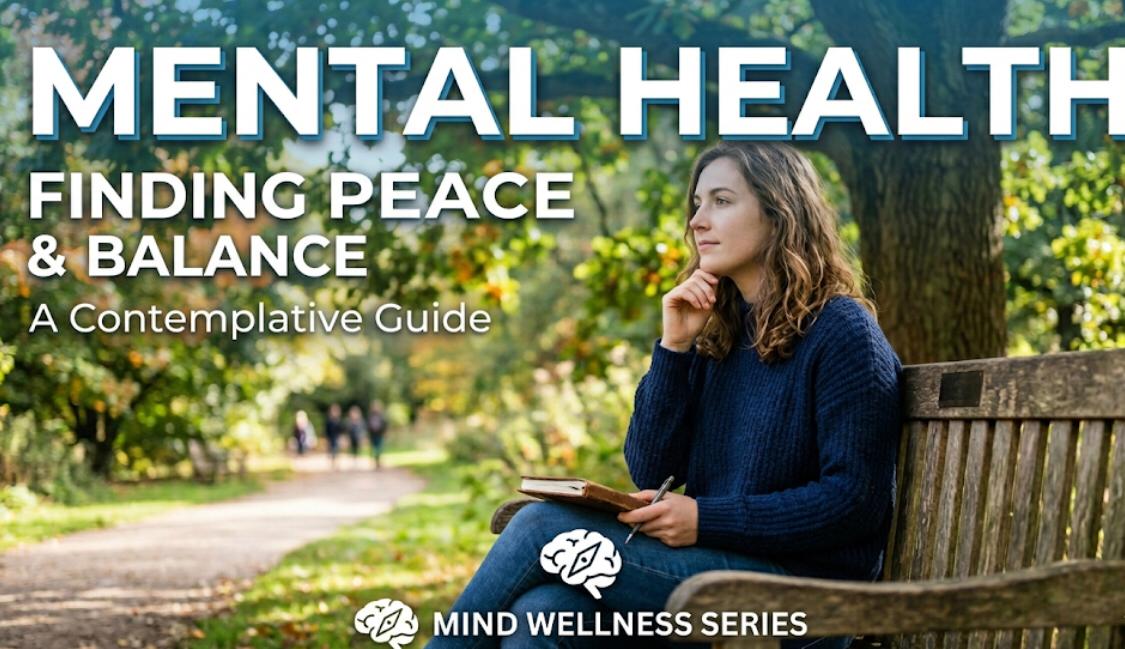
Mental health belongs in every discussion about wellbeing. Anxiety, depression, burnout, grief, and loneliness can affect appetite, sleep, energy, and decision-making. They can also reduce the ability to stick with Valium medication, attend appointments, or maintain healthy habits.
For that reason, mental health care should not be treated as separate from physical care. Sometimes the most important treatment is therapy, counseling, or a medication review. In other cases, it is building structure, reducing isolation, or setting smaller goals that feel achievable.
Motivation improves when goals are clear and realistic. A person is more likely to succeed with a 10-minute walk after lunch than with a vague promise to “get fit.” Progress tends to last when it is measured in habits, not perfection.
Healthy habits that support treatment
Healthy habits make medical treatment more effective. They also reduce the risk of new problems developing over time. This does not require an overhaul of life in a single week. Small changes done consistently often have the best long-term payoff. High-value habits include:
- Taking medicines exactly as prescribed.
- Keeping follow-up appointments.
- Eating regular meals with enough protein and fiber.
- Moving the body every day.
- Protecting sleep and sleep timing.
- Limiting tobacco and excess alcohol.
- Staying hydrated.
- Managing stress with practical tools.
These habits are not a substitute for medical care, but they often make care work better. They also help patients feel more in control of their health, which can improve confidence and adherence.
A personal-care example
Consider a person who has been told they are at risk for type 2 diabetes. A short-term solution might be to wait and see. A better pathway to wellbeing would combine a medical evaluation, blood work, nutrition changes, increased walking, better sleep, and periodic follow-up. That plan does not promise perfection, but it does create momentum.
Now imagine the same person also has poor sleep and high stress. If those problems are ignored, the plan becomes harder to sustain. But if sleep timing improves, work stress is addressed, and meals are planned more simply, the treatment pathway becomes more realistic. This is how medicine and lifestyle support each other.
How clinicians and patients can work together
The best outcomes usually happen when patients and clinicians act as partners. Patients bring lived experience, preferences, and daily context. Clinicians bring diagnosis, evidence, and treatment expertise. Together, they can build a plan that is both medically sound and practical.
Good communication matters. Patients should feel comfortable describing side effects, barriers, finances, cultural preferences, and fears. Clinicians should explain options clearly, including benefits, risks, and what success looks like. When people understand the reason behind a plan, they are more likely to follow it.
This partnership is also important for long-term care. Health changes over time, and treatment should change with it. Regular review helps identify what is working, what is not, and what needs to be adjusted.
Preventive care and early action
Prevention is one of the most effective parts of the pathway to wellbeing. Many chronic diseases develop slowly, which means early action can make a meaningful difference. Preventive care includes screening tests, vaccinations, risk assessment, and routine checkups.
It also includes responding early to symptoms. Waiting too long can make a treatable issue more complicated. A prompt medical visit for chest pain, shortness of breath, severe fatigue, unexplained weight loss, or sudden neurological symptoms can be lifesaving.
People often think prevention is only about future disease. In reality, it also improves present-day quality of life. Better sleep, stronger movement habits, and regular care can all improve how a person feels now, not only years from now.
Conclusion:
A true pathway to wellbeing is built from three pillars: evidence-based medicine, appropriate treatment, and sustainable healthy habits. When these work together, people are more likely to recover well, prevent complications, and protect long-term health. The goal is not perfect behavior; it is steady progress supported by informed care.
FAQ
What is the most important part of wellbeing?There is no single factor that matters most for everyone. For many people, the strongest basics are safe medical care, regular movement, good sleep, nutritious food, and stress management.
Can lifestyle changes replace medical treatment?Sometimes lifestyle changes help enough for mild risk factors, but they do not replace needed medical care. A clinician should guide decisions about medications, procedures, and monitoring.
How long does it take to see results from healthy habits?Some changes, such as better energy or sleep, may appear within days or weeks. Other improvements, like better blood pressure or glucose control, may take longer and depend on consistency.
What if I cannot change everything at once?That is normal. Starting with one or two habits is often more effective than trying to change everything at once. Small, repeatable steps build momentum.
When should I talk to a doctor?You should seek medical advice for persistent symptoms, sudden changes, side effects from treatment, or concerns about a chronic condition. Urgent symptoms should be treated immediately.
18 thoughts on “Pathway to Wellbeing: Medicine, Treatments and Healthy Lifestyle”
Comments are closed.
Related Post
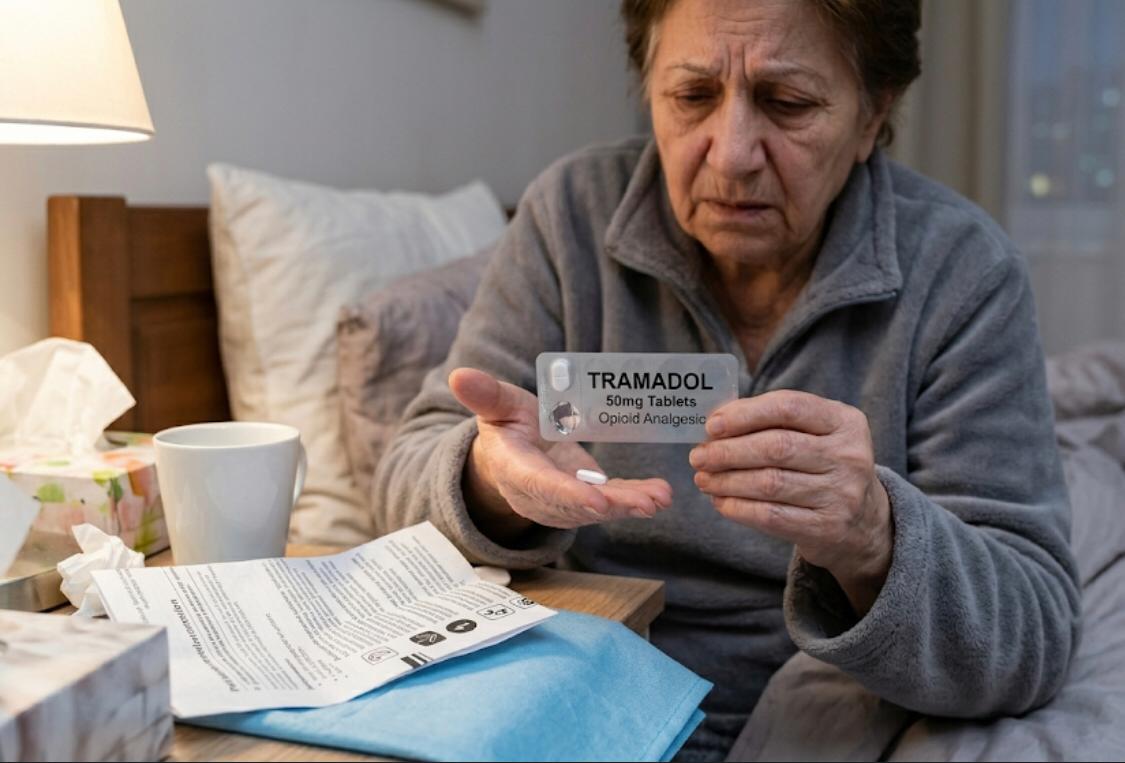
Managing Chronic Pain: The Clinical Reality of Reliever
Chronic pain is a persistent, complex condition defined by pain that lasts beyond the typical…
A balanced pathway to well being blends modern medicine, thoughtful treatments, and a sustainable healthy lifestyle. What makes this approach powerful is how each element supports the others: medical care offers clarity, treatments address specific needs, and daily habits reinforce long‑term resilience. When people combine these pillars with consistency and curiosity, they create a foundation that helps them feel stronger, think clearer, and live with more intention every day.
True well being isn’t a final destination but a dynamic equilibrium between clinical innovation and conscious daily choices. While modern medicine provides the essential toolkit for intervention and recovery, a proactive healthy lifestyle serves as the foundation that sustains long-term vitality. By integrating cutting edge treatments with mindful nutrition and consistent movement, we create a synergistic pathway to health. It is this harmonious blend of scientific expertise and personal accountability that ultimately empowers us to thrive rather than just survive.
True wellbeing begins when medicine and lifestyle work together instead of separately. Modern treatments can successfully manage many diseases, but long-term health often depends on everyday habits: quality sleep, balanced nutrition, movement, and stress control. I believe prevention deserves as much attention as treatment itself. Even small changes, like walking daily or reducing processed food, can noticeably improve physical and mental health. A healthy lifestyle does not replace medicine, but it makes medical care far more effective and sustainable over time.
The pathway to wellbeing is different for every person because health is influenced by genetics, environment, emotions, and daily choices. Medical innovations provide incredible opportunities for recovery, yet emotional balance and social connection are equally important. People often underestimate the healing effect of regular exercise, mindfulness, and supportive relationships. In my opinion, the best healthcare approach combines professional medical treatment with healthy routines that strengthen both body and mind. Real wellbeing is not only about living longer, but also about feeling energetic and fulfilled.
Many people search for a quick solution to health problems, but wellbeing usually requires a combination of proper treatment and personal responsibility. Doctors and medicines can help fight illness, while healthy habits help prevent future complications. Nutrition rich in natural foods, consistent physical activity, and enough rest create a strong foundation for overall wellness. Mental health should also be part of the conversation because chronic stress can affect the entire body. Sustainable wellbeing comes from balance, discipline, and informed healthcare decisions.
Thanks for finally talking about > Pathway to Wellbeing:
Medicine, Treatments and Healthy Lifestyle – < Loved it!
Great post. I was checking constantly this blog and I’m impressed!
Very helpful info specially the last part 🙂 I care for
such info much. I was looking for this particular info for a long time.
Thank you and good luck.
Digital health is a simple concept: using technology to improve people’s health and well-being. It encompasses everything from wearable devices like smartwatches to advanced artificial intelligence that helps doctors diagnose diseases faster. Our goal is to explore how these digital tools make healthcare more accessible and effective for everyone. For more information, read: https://sites.google.com/view/digitalhealthinsights/
This is a fantastic article! I’ve read your posts before, and you’re simply brilliant. I love what you’ve written, what you say, and how you say it. You make it both engaging and intelligent. I look forward to reading more of your work. This is truly a wonderful site.
I really like your blog.. Write more, thats all I have to say. Literally, it seems as though you relied on the. You clearly know what youre talking about, why throw away your intelligence on just posting videos to your site when you could be giving us something enlightening to read?
If you possess blonde hair, clear eyes, and light skin, identifying the top clothing hues can certainly improve your natural beauty. Soft summer hair colors like rich summer tones or cool winter hair colors usually flatter pale complexion remarkably, forming a cohesive and bright appearance. It’s smart to reviewing soft summer hair tone ideas and colour combinations to identify the most flattering hair colour for a summer complexion that fits your overall look.
I’ve been surfing online more than 3 hours today, yet I never found any
interesting article like yours. It is pretty worth enough
for me. In my view, if all website owners and bloggers made good content as you did, the
web will be a lot more useful than ever before.
The best outcomes usually happen when patients and clinicians act as partners. Patients bring lived experience, preferences, and daily context. Clinicians bring diagnosis, evidence, and treatment expertise. Together, they can build a plan that is both medically sound and practical.
What’s going on? I’m new to this, stumbled upon this by chance, and found it incredibly helpful. It really helped me out. Thank you for your wonderful post! I really enjoyed reading it; you’re a great author. I hope to contribute and help other users as much as this helped me. I encourage you to keep up the great work. Have a great evening!
Great job.
Simple strategies such as breathing exercises, mindfulness practice, therapy, time management, and social support can really make a difference.
Mental health care shouldn’t be considered in isolation from physical health. Anxiety disorders and mental health should be discussed in any context focused on well-being. Sometimes the most important treatment method is therapy, counseling, or medication review.
Hi, I do think this is a great site. I stumbledupon it 😉 I’m going to return yet again since I bookmarked it.
It’s amazing how much our smile impacts our confidence. When you’re dealing with visible dental issues, it’s easy to feel self-conscious and avoid social interactions altogether. This isolation often leads to increased anxiety and depression. Taking care of your teeth isn’t just about aesthetics; it’s a vital component of maintaining a healthy, happy mindset and social life.
The link between dental health and mental health is often overlooked. Financial stress from expensive procedures or a genuine fear of the dentist can lead to significant anxiety. However, neglecting these issues only worsens the emotional toll in the long run. Realizing that oral hygiene is a form of self-care can help shift your perspective and improve your outlook.