
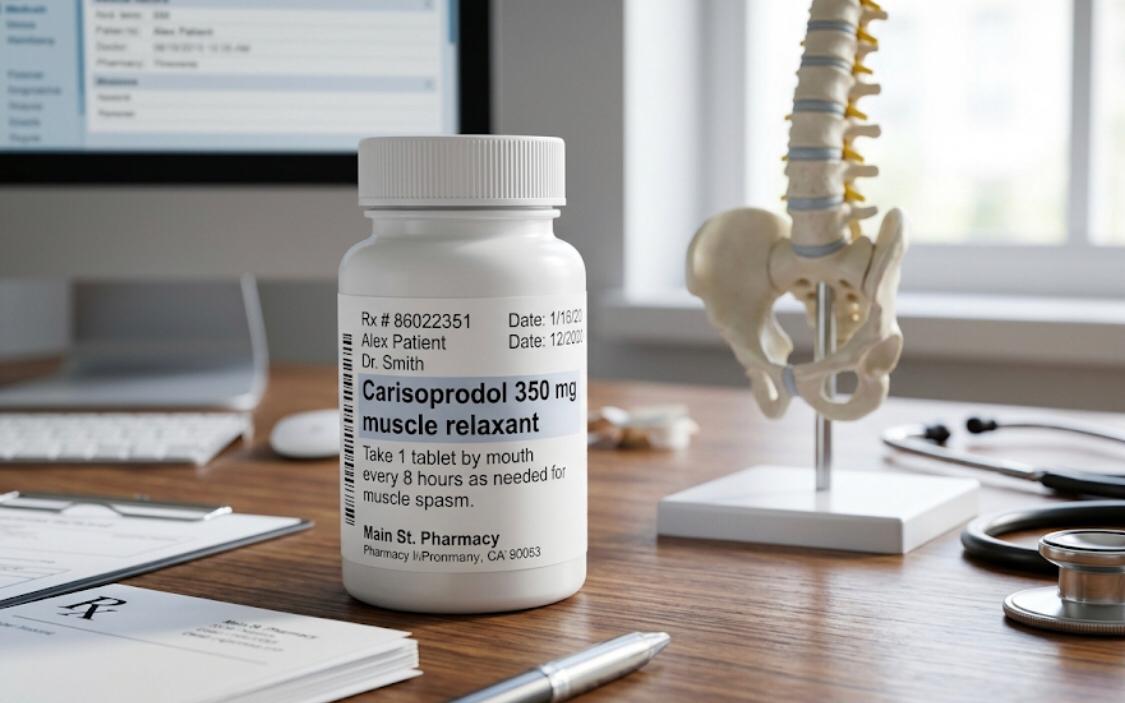
Pharmaceutical Supply Chain: Navigating 2028 U.S. Drug Import Duties
>> Healthy Lifestyle>> Pharmaceutical Supply Chain: Navigating 2028 U.S. Drug Import Duties
Pharmaceutical Supply Chain: Navigating 2028 U.S. Drug Import Duties
The economic structure of the generic drug sector makes it uniquely vulnerable to trade levies. Unlike patent-protected brand-name drugs with high margins, generic drugs operate as low-margin commodities. Generic manufacturers compete almost entirely on unit cost. Therefore, even small shifts in overhead can determine whether a drug remains viable to manufacture. Imposing a 100% or 200% duty on these medications could fundamentally alter production economics.
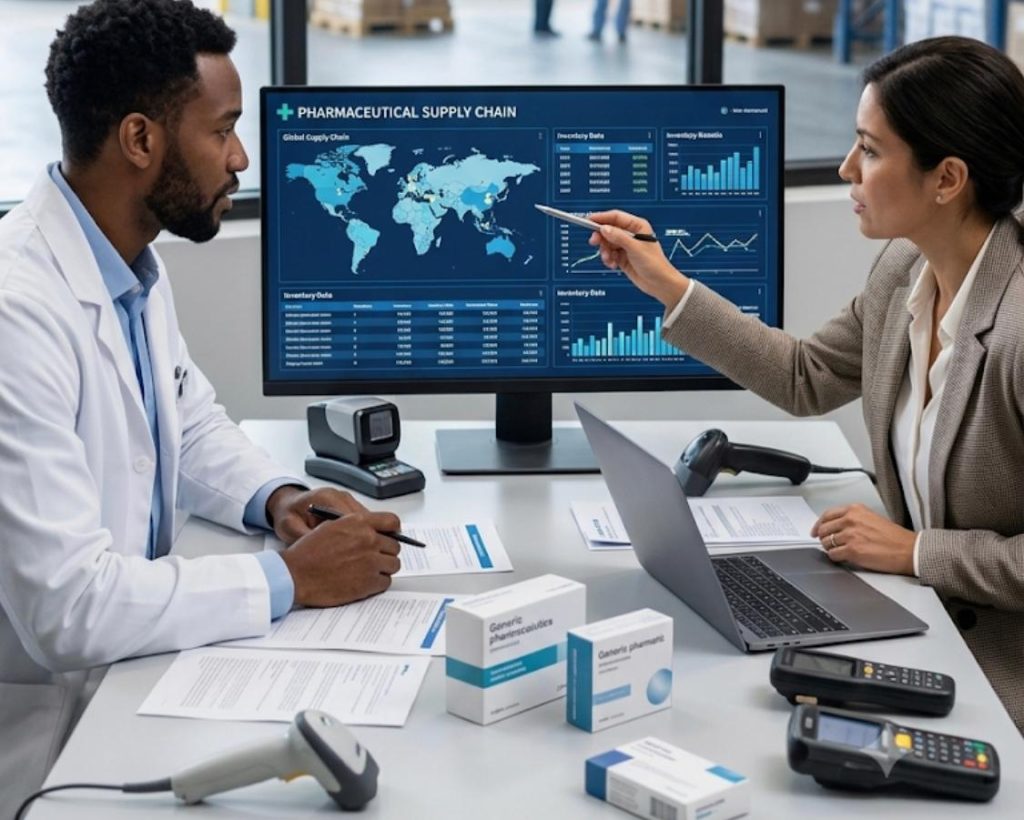
The White House has announced a trade initiative extending import duties to off-patent generic pharmaceuticals. Under this policy, imported generic medicines remain exempt from tariffs under a zero percent duty rate during a two-year transition period ending July 31, 2028. Beginning August 1, 2028, a 100% tariff will take effect. This rate rises to 200% on August 1, 2029, for manufacturers that do not re-establish production within the United States
While earlier administration trade measures imposed levies on patented. Brand-name pharmaceuticals while offering investment carve-outs, this policy represents the first direct application of tariffs to generic medicines. Because generic drugs account for more than 90% of all prescriptions dispensed in the United States, healthcare providers, hospital administrators. Pharmacy directors are closely evaluating how this shift will impact drug pricing, supply stability, and patient access.
Implementation Schedule: The administration’s policy uses an escalating tariff framework intended to pressure foreign manufacturers into building domestic manufacturing plants. Timeline sets distinct operational phases for the generic pharmaceutical sector:
0% Duty Grace Period (Aug 2026 – July 2028): Generics enter the U.S. tariff-free. This window is structured to allow domestic facility construction, equipment installation, and Food and Drug Administration (FDA) inspection.
100% Tariff Level (Aug 2028 – July 2029): A 100% import tax will be applied to generic dosage forms imported into the U.S. from overseas manufacturing plants.
200% Tariff Escalation (Aug 2029 Onward): Import duty doubles to 200%, creating an aggressive penalty designed to eliminate the cost advantage of offshore manufacturing.
Offshore Dependencies and Regulatory Timelines
A primary objective cited by the administration is to reduce dependence on foreign drug supply chains. Currently, the U.S. pharmaceutical ecosystem relies heavily on international partners:
Finished Dosage Importation: The FDA estimates that approximately 70% of generic drugs consumed in the U.S. are manufactured abroad. India alone supplies nearly 40% of U.S. generic formulations, exporting $9.7 billion in pharmaceuticals to the American market annually.
Active Pharmaceutical Ingredients (APIs): Beyond finished pills, raw chemical ingredients known as Active Pharmaceutical Ingredients (APIs). Key starting materials are concentrated in China and India. If tariffs extend upstream to raw materials, even U.S.-finished generics could face higher input costs.
Constructing a state-of-the-art, FDA-compliant pharmaceutical facility requires significant time. Acquiring specialized land, installing cleanroom filtration, securing equipment validation, producing trial batches, and undergoing FDA inspection typically takes 3 to 5 years. Achieving this transition across the generic industry within 24 months poses significant technical and regulatory hurdles.
Industry associations, such as the Association for Accessible Medicines (AAM), and public health experts have voiced concern over potential unintended consequences for patient care.
Risk of Product Discontinuations and Drug Shortages
Because generic profit margins are so narrow, paying a 100% duty could make certain low-margin drugs unprofitable. Manufacturers may choose to pull these essential medicines from the U.S. market rather than operate at a loss or invest hundreds of millions in domestic plants. This could worsen existing shortages for critical care injectables, generic antibiotics, and chronic disease therapies.
Out-of-Pocket Patient Costs
While generic drugs are inexpensive compared to brand-name drugs.Passing duty costs down through Pharmacy Benefit Managers (PBMs) and commercial insurers could increase patient copays or co-insurance rates. Higher out-of-pocket costs are closely linked to prescription abandonment and decreased medication adherence among vulnerable populations.
Hospital Pharmacy Overhead
Health system procurement teams may face increased drug acquisition costs. They also deal with unpredictable supply flows and must frequently re-evaluate clinical formularies.
Strategic Guidance for Healthcare Leadership
Healthcare organizations and pharmacy leaders should consider taking proactive planning steps before 2028 to mitigate potential supply chain disruptions.
Building resilient pharmaceutical supply chains is directly essential to maintaining advanced clinical protocols for antibiotic therapy in hospitals. When tariff shifts or global trade disruptions interrupt the supply of generic anti-infective medications, hospital pharmacy leaders must rely on flexible, secondary clinical protocols to ensure uninterrupted patient care. By aligning supply chain planning with updated antimicrobial stewardship guidelines, healthcare systems can seamlessly switch to effective alternative treatments whenever primary injectable antibiotics face national shortages.
Recommended Action Steps
Audit Formulary Vulnerabilities: Identify high-volume maintenance drugs and hospital-essential injectables. Pay special attention to items sourced exclusively from overseas manufacturing sites subject to future duties.
Engage Wholesale Distributors and GPOs: Work with Group Purchasing Organizations to seek commitments on multi-source generic products. Additionally, clarify vendor plans for domestic manufacturing compliance.
Establish Alternative Clinical Protocols: Prepare secondary therapeutic guidelines for drug classes facing high supply risk. This ensures clinical care continues smoothly if primary generic options experience shortages.
Key Details of the Policy
Timeline:
- Imported generic drugs will remain tariff-free for the next two years (through 2028)
- Starting August 2028, a 100% tariff will be imposed on imported generics
- The tariff will then escalate to 200% in a subsequent phase
Scope and Impact:
Generic medications currently account for more than 90% of all prescriptions filled in the United States. This makes the policy particularly significant, as it affects the vast majority of the pharmaceutical products that American patients rely on daily including treatments for chronic conditions like diabetes, hypertension, and high cholesterol, as well as essential antibiotics.Other widely-used medications.
Strategic Rationale
The announcement is part of a broader Trump administration strategy aimed at:
- Reshoring pharmaceutical manufacturing bringing drug production back to U.S. soil rather than relying on overseas manufacturers.Many of which are based in India, China, and other countries that currently dominate global generic drug production
- Reducing dependency on foreign supply chains addressing concerns about national security. Supply chain vulnerabilities that were highlighted during the COVID-19 pandemic
- Incentivizing domestic investment giving pharmaceutical companies a multi-year window (the two-year grace period) to relocate or build manufacturing facilities within the United States before tariffs take effect
Context Within Broader Trade Policy
This move continues a pattern seen throughout Trump’s presidency of using tariffs as a tool to pressure industries into domestic production. However, applying this approach to generic drugs is notable because:
- The generic drug market operates on extremely thin profit margins compared to branded pharmaceuticals
- Many generic drug manufacturers are based in countries like India and China, which produce a significant share of the active pharmaceutical ingredients (APIs) used globally
- Healthcare economists and industry groups have expressed concern that tariffs of this magnitude (100-200%) could substantially increase drug costs for American consumers if manufacturing cannot be relocated quickly enough
Potential Implications
For Consumers:
Given that generics are typically far cheaper than brand-name drugs, tariffs of this scale could potentially raise costs significantly if companies pass these expenses on to consumers, insurers, or government health programs like Medicare and Medicaid.
For the Pharmaceutical Industry:
Companies will need to make strategic decisions during the two-year window about whether to:
Conclusion
This announcement represents a significant escalation in tariff use as an industrial policy tool. It extends beyond traditional targets like steel, aluminum, and electronics into essential medicine supply chains.
The long lead time until 2028 suggests the administration wants to balance protectionist goals with practical realities. Pharmaceutical manufacturing requires substantial capital investment and lengthy regulatory approval processes. However, the ultimate impact on drug prices and availability for American patients remains to be seen. It will likely depend on how quickly domestic manufacturing capacity scales up during this transition period.
Related Post

Pathway to Wellbeing: Medicine, Treatments and Healthy Lifestyle
Introduction Wellbeing is not built from one choice or one treatment. It develops when…