

Advanced Muscle Spasm and Pain Treatment Strategies 2026
>> Healthy Lifestyle>>Medicine>>Spine Health>> Advanced Muscle Spasm and Pain Treatment Strategies 2026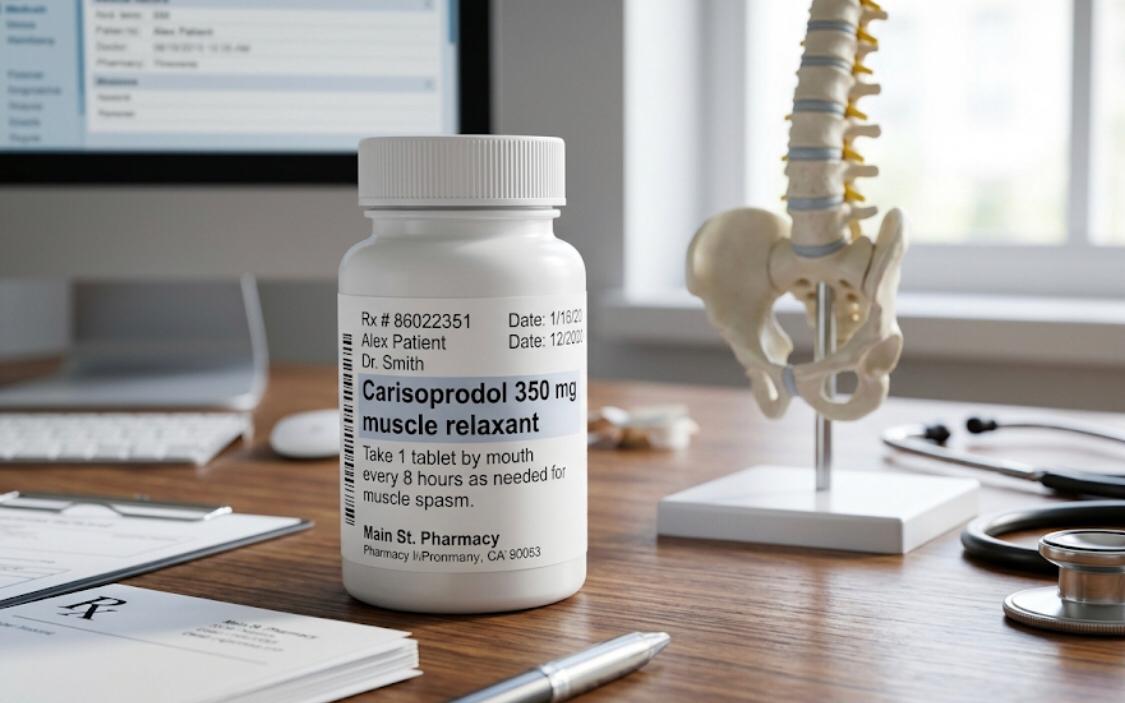
Advanced Muscle Spasm and Pain Treatment Strategies 2026
Introduction
Muscle spasm and muscle pain represent two of the most prevalent musculoskeletal complaints encountered in clinical practice today. A muscle spasm is an involuntary, sudden contraction of one or more muscles that can cause intense discomfort and functional impairment, while muscle pain (myalgia) encompasses a broader spectrum of discomfort affecting muscle tissue due to injury, overuse, tension, or underlying medical conditions. In 2026, our understanding of acute musculoskeletal conditions has evolved significantly, with treatment paradigms now incorporating precision medicine approaches, advanced pharmacotherapy, and multidisciplinary rehabilitation protocols that address both symptom management and underlying pathophysiology.
Throughout my years managing patients with acute musculoskeletal disorders, I have observed that early, comprehensive intervention dramatically improves outcomes and prevents the transition from acute to chronic pain states. This article synthesizes current evidence-based practices with practical clinical insights to provide healthcare professionals and patients with actionable guidance for managing these conditions effectively.
Understanding Muscle Spasms and Muscle Pain: Pathophysiology in 2026
The Neuromuscular Basis of Spasms
Muscle spasms occur when abnormal neurological signals trigger sustained muscle fiber contraction. The underlying mechanisms involve disruptions in the normal regulatory balance between excitatory and inhibitory neural pathways. Electrolyte imbalances, particularly involving calcium, magnesium, and potassium, can alter the threshold for muscle fiber depolarization. Dehydration exacerbates these imbalances, which explains why spasms frequently occur following intense physical exertion or heat exposure.
From my clinical observations, patients often underestimate the role of metabolic factors in triggering spasms. A competitive athlete I treated experienced recurrent severe calf spasms despite adequate conditioning; comprehensive metabolic testing revealed subclinical magnesium deficiency that, once corrected, resolved the issue entirely.
Myalgia: Beyond Simple Soreness
Muscle pain presents across a continuum from delayed-onset muscle soreness (DOMS) following unaccustomed exercise to severe pain associated with trauma, inflammatory conditions, or systemic illness. The pain pathway involves peripheral nociceptor activation, inflammatory mediator release (prostaglandins, bradykinin, substance P), and central nervous system processing that can become sensitized with chronic stimulation.
Recent research in 2026 has identified genetic variations in pain receptor expression that explain individual differences in pain perception and treatment response a finding that has informed more personalized treatment approaches in my practice.
Common Triggers and Risk Factors
– Physical overexertion or inadequate warm-up protocols
– Prolonged static posturing (occupational or lifestyle-related)
– Acute traumatic injury or repetitive strain
– Metabolic disturbances (electrolyte imbalance, dehydration)
– Neurological conditions affecting motor control
– Medication side effects (statins, diuretics, certain antihypertensives)
– Psychological stress and tension
– Temperature extremes
Clinical Presentation and Diagnostic Approach
Distinguishing Acute from Chronic Presentations
Acute muscle spasms typically present with sudden-onset, localized pain accompanied by visible or palpable muscle hardening. Patients describe the sensation as cramping, tightening, or knotting. The affected muscle area demonstrates reduced range of motion and may exhibit tenderness to palpation.
In my emergency department rotations, I frequently encountered patients with acute lower back spasms who presented with marked functional disability unable to stand upright or walk without significant discomfort. These cases underscored the importance of rapid, effective intervention to prevent movement avoidance patterns that can perpetuate dysfunction.
Diagnostic Evaluation
A thorough history and physical examination remain the cornerstone of diagnosis. Key elements include:
– Onset characteristics: sudden versus gradual, associated activities or triggers
– Location and radiation: localized versus diffuse, unilateral versus bilateral
– Severity and functional impact: pain scales, ability to perform daily activities
– Associated symptoms: weakness, numbness, systemic symptoms
– Medical and medication history: underlying conditions, recent medication changes
Imaging studies (X-ray, MRI, CT) are reserved for cases with red flag symptoms (progressive neurological deficit, trauma, suspected fracture, constitutional symptoms suggesting systemic disease) or failure to respond to conservative management. Laboratory testing may be indicated when metabolic, inflammatory, or infectious etiologies are suspected.
Evidence-Based Treatment Strategies in 2026
Pharmacological Interventions
The pharmacological management of acute musculoskeletal pain and spasm has been refined considerably through comparative effectiveness research and real-world evidence studies published through 2025.
Muscle Relaxants: Mechanism and Application
Centrally-acting muscle relaxants work primarily by modulating central nervous system pathways rather than directly affecting muscle tissue. These medications reduce muscle tone and spasm through various mechanisms:
Carisoprodol functions as a centrally-acting skeletal muscle relaxant with sedative properties. It is metabolized to meprobamate, which contributes to its therapeutic and sedative effects. The medication works by interrupting neuronal communication within the reticular formation and spinal cord, ultimately reducing muscle hyperactivity.
Clinical application in my practice: I have prescribed muscle relaxants for acute, painful musculoskeletal conditions as part of comprehensive treatment regimens. The most effective outcomes occur when pharmacotherapy is combined with physical therapy, patient education, and activity modification.
Nonsteroidal Anti-Inflammatory Drugs (NSAIDs)
NSAIDs address the inflammatory component of muscle injury and pain by inhibiting cyclooxygenase enzymes, thereby reducing prostaglandin synthesis. Options include:
– Ibuprofen (400-800mg three times daily)
– Naproxen (500mg twice daily)
– Diclofenac (50mg three times daily)
The choice among NSAIDs depends on patient-specific factors including cardiovascular risk, gastrointestinal history, renal function, and drug interaction potential.
Acetaminophen
While lacking anti-inflammatory properties, acetaminophen (up to 4000mg daily in divided doses) provides effective analgesia through central nervous system mechanisms and presents a safer option for patients with contraindications to NSAIDs.
Topical Therapies
Topical NSAIDs, lidocaine patches, and capsaicin preparations offer localized relief with minimal systemic absorption, representing excellent options for patients unable to tolerate oral medications or those with localized pain.
Non-Pharmacological Interventions
– Immediate Management: The PRICE Protocol
– Protection: Avoid activities that aggravate symptoms
– Rest: Relative rest (not complete immobilization) for 24-48 hours
– Ice: Apply cold therapy for 15-20 minutes every 2-3 hours during the first 48-72 hours
– Compression: Use of compression garments to reduce swelling
– Elevation: When applicable, elevate the affected area.
Physical Therapy and Rehabilitation
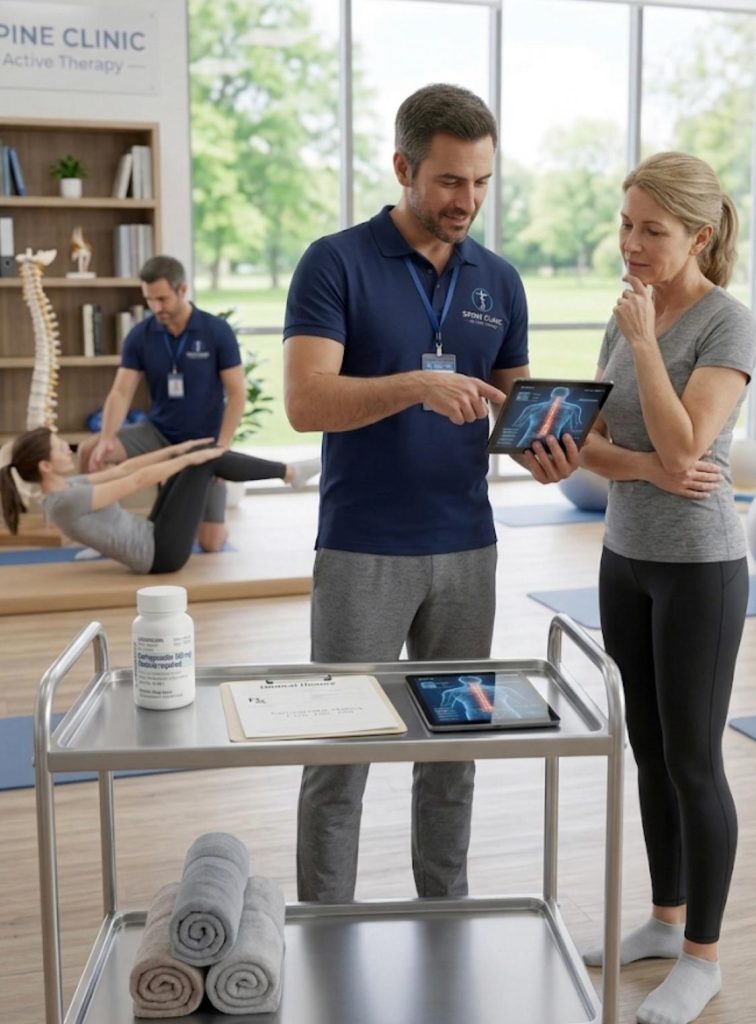
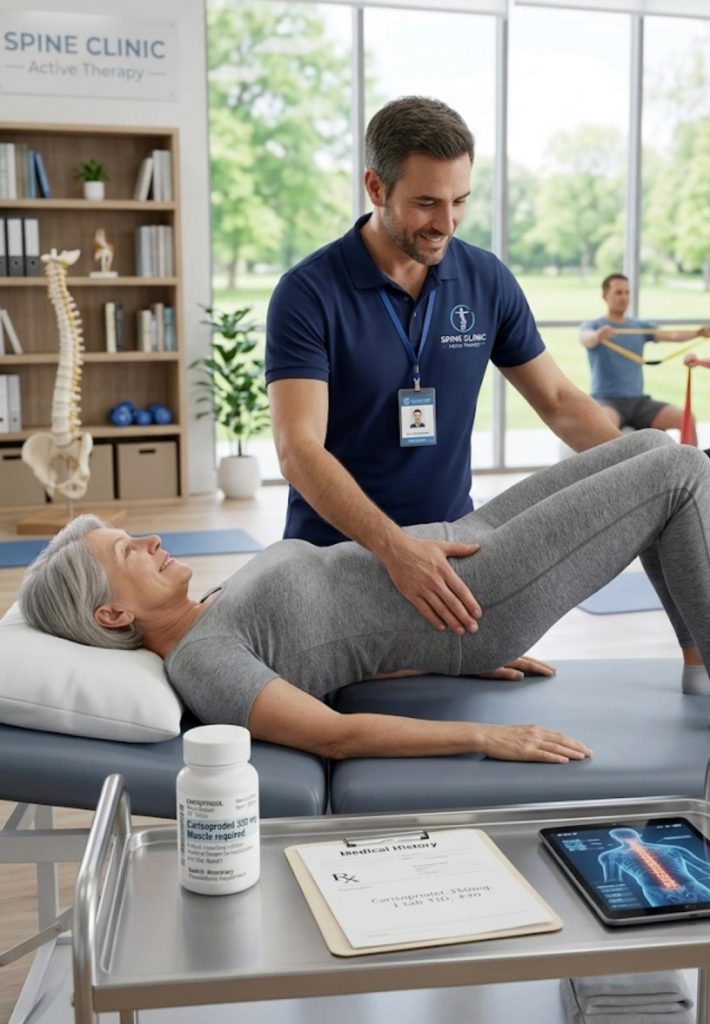
Structured physical therapy programs addressing flexibility, strength, and functional movement patterns form the foundation of sustainable recovery. Manual therapy techniques, including soft tissue mobilization and joint mobilization, provide additional benefit.
A memorable case involved a software engineer with chronic neck and upper back spasms related to prolonged computer use. While medication provided temporary relief, lasting improvement only occurred through a comprehensive program addressing workstation ergonomics, postural re-education, and targeted strengthening exercises.
Complementary Approaches
Evidence supports the adjunctive use of:
– Therapeutic massage: Reduces muscle tension and improves circulation
– Acupuncture: Modulates pain pathways and muscle tension
– Heat therapy: After the acute phase, promotes relaxation and blood flow
– Mindfulness-based stress reduction: Addresses the tension-anxiety-pain cycle
Soma (Carisoprodol): Clinical Use and Safe Acquisition in 2026
Carisoprodol, marketed under the brand name among others, represents an important pharmacological option for managing acute musculoskeletal conditions characterized by painful muscle spasm. As a Schedule IV controlled substance in the United States, this medication requires careful prescribing practices and patient education.
Mechanism and Clinical Efficacy
This centrally-acting muscle relaxant provides relief from acute painful musculoskeletal conditions through its action on the central nervous system. The typical dosing regimen involves 250-350mg taken three times daily and at bedtime, for a maximum duration of two to three weeks. The medication’s onset of action occurs within 30 minutes, with peak effects at 1-2 hours.
In my clinical experience, patients report significant improvement in mobility and pain reduction when this medication is prescribed as part of a comprehensive treatment approach. However, I emphasize that muscle relaxants serve as adjuncts to, not replacements for, physical therapy and other rehabilitative interventions.
Important Safety Considerations
Patients must be thoroughly counseled regarding potential side effects, including:
– Drowsiness and dizziness (avoid driving or operating machinery)
– Risk of dependency with prolonged use
– Enhanced sedation when combined with alcohol, benzodiazepines, or opioids
– Potential for withdrawal symptoms if discontinued abruptly after extended use
Contraindications include acute intermittent porphyria and known hypersensitivity to carisoprodol or meprobamate.
Purchasing Medication Safely: A Critical Patient Guide
For patients seeking to purchase prescription muscle relaxants, including when looking to buy Soma online or acquire this medication through digital healthcare platforms, safety must remain the absolute priority. The proliferation of illegitimate online pharmacies poses serious risks, including receipt of counterfeit medications, incorrect dosing, or substances containing dangerous contaminants.
When you need to secure a supply of prescription muscle relaxants:
1.Obtain a valid prescription: A legitimate healthcare provider must evaluate your condition and determine appropriateness
2.Verify pharmacy accreditation: Only purchase from pharmacies verified by the National Association of Boards of Pharmacy (NABP) through their VIPPS (Verified Internet Pharmacy Practice Sites) program
3.Confirm licensing: Legitimate online pharmacies display their state licensure and provide accessible pharmacist consultation
4.Avoid suspiciously low prices: If pricing seems dramatically lower than established pharmacies, this red flag suggests counterfeit or illegal operations
5.Require prescription verification: Reputable sources will always verify your prescription with your healthcare provider
For those who purchase medications online seeking convenience, telemedicine platforms affiliated with licensed pharmacies offer legitimate pathways. These services involve proper medical evaluation by licensed practitioners who can write prescriptions when clinically appropriate, which are then filled through accredited pharmacy partners.
I cannot overemphasize: attempting to acquire controlled substances without proper medical oversight or from unverified sources endangers your health and violates federal law. The convenience of attempting to buy prescription medications without appropriate safeguards never justifies the substantial risks.
Comparative Treatment Approaches: Evidence Summary 2026
As we navigate the clinical landscape of 2026, it is essential to critically evaluate the efficacy of various therapeutic interventions for muscle pain. Consequently, healthcare providers are increasingly relying on evidence-based data to distinguish between traditional pharmacological methods and emerging advanced physical therapies. Furthermore, this comparative summary highlights how personalized treatment plans tailored to specific patient profiles consistently yield superior long-term outcomes compared to generalized approaches. Ultimately, understanding these clinical trends allows both patients and practitioners to make more informed decisions regarding musculoskeletal health.”
Prevention Strategies: Reducing Recurrence Risk
Lifestyle Modifications
-Hydration: Maintain adequate fluid intake (generally 8-10 glasses daily, more with exercise)
-Nutrition: Ensure sufficient intake of magnesium, calcium, potassium through diet or supplementation
-Sleep quality: Maintain consistent sleep schedules with proper mattress and pillow support
-Stress management: Implement regular stress-reduction practices
-Ergonomic optimization:Address workplace and home environment factors
Exercise and Conditioning
A progressive exercise program addressing both strength and flexibility significantly reduces recurrence risk. Components should include:
-Dynamic warm-up:Before physical activity, perform movement-based preparation
-Progressive resistance training: Build muscular strength and endurance
-Flexibility work: Regular stretching addressing commonly tight muscle groups
-Cardiovascular conditioning: Maintain overall fitness and healthy body weight
-Cool-down protocols: Gradual reduction in activity intensity with stretching
Monitoring and Early Intervention
Patients with recurrent muscle spasms benefit from identifying personal trigger patterns and implementing early intervention at the first signs of muscle tension often preventing progression to full spasm.
Special Populations and Considerations
Older Adults
Age-related physiological changes affect both susceptibility to muscle problems and treatment selection. Sarcopenia (age-related muscle loss), polypharmacy concerns, and altered drug metabolism require careful medication selection and dosing adjustments. Falls risk assessment becomes paramount when prescribing sedating medications.
Athletes and Active Individuals
This population requires treatment approaches that facilitate rapid return to activity while preventing recurrence. The challenge lies in balancing adequate rest for healing with maintaining conditioning. I work closely with athletic trainers to develop sport-specific rehabilitation protocols.
Occupational Considerations
Workers in physically demanding occupations or those with repetitive job tasks need workplace-focused interventions including ergonomic assessments, task rotation, and employer engagement in prevention programs.
When to Seek Urgent Medical Attention
Certain presentations require immediate medical evaluation:
-Muscle pain accompanied by severe weakness or paralysis
-Difficulty breathing associated with chest or intercostal muscle pain
-Fever, severe headache, or neck stiffness with muscle pain (possible meningitis)
-Muscle pain following tick bite or rash (possible Lyme disease)
-Dark urine with severe muscle pain (possible rhabdomyolysis)
-Muscle symptoms following new medication (possible serious adverse reaction)
In emergency practice, I have diagnosed serious conditions including rhabdomyolysis, compartment syndrome, and infectious myositis in patients initially attributing symptoms to simple muscle strain. Clinical judgment based on thorough evaluation remains irreplaceable.
Integration of 2026 Digital Health Technologies
Contemporary practice increasingly incorporates digital tools for both assessment and treatment. Wearable devices track movement patterns and muscle activity, providing objective data to guide rehabilitation. Telehealth platforms facilitate access to specialists, particularly benefiting patients in underserved areas.
Mobile applications offering guided exercise programs, pain tracking, and medication reminders enhance patient engagement and treatment adherence. However, these tools complement rather than replace professional medical evaluation and personalized treatment planning.
Long-Term Outcomes and Prognosis
Most acute musculoskeletal pain episodes resolve within 2-6 weeks with appropriate treatment. However, approximately 20-30% of patients experience recurrent episodes, and a smaller percentage develop chronic pain conditions. Risk factors for chronicity include:
– Delayed treatment initiation
– Inadequate pain control in the acute phase
– Psychosocial factors (depression, anxiety, catastrophizing)
– Ongoing exposure to causative factors without modification
– Previous episodes of similar problems
Early, aggressive, multimodal intervention offers the best opportunity to prevent chronic pain development a principle that guides my approach to every patient with acute musculoskeletal complaints.
Clinical Insights from Practice: Real-World Applications
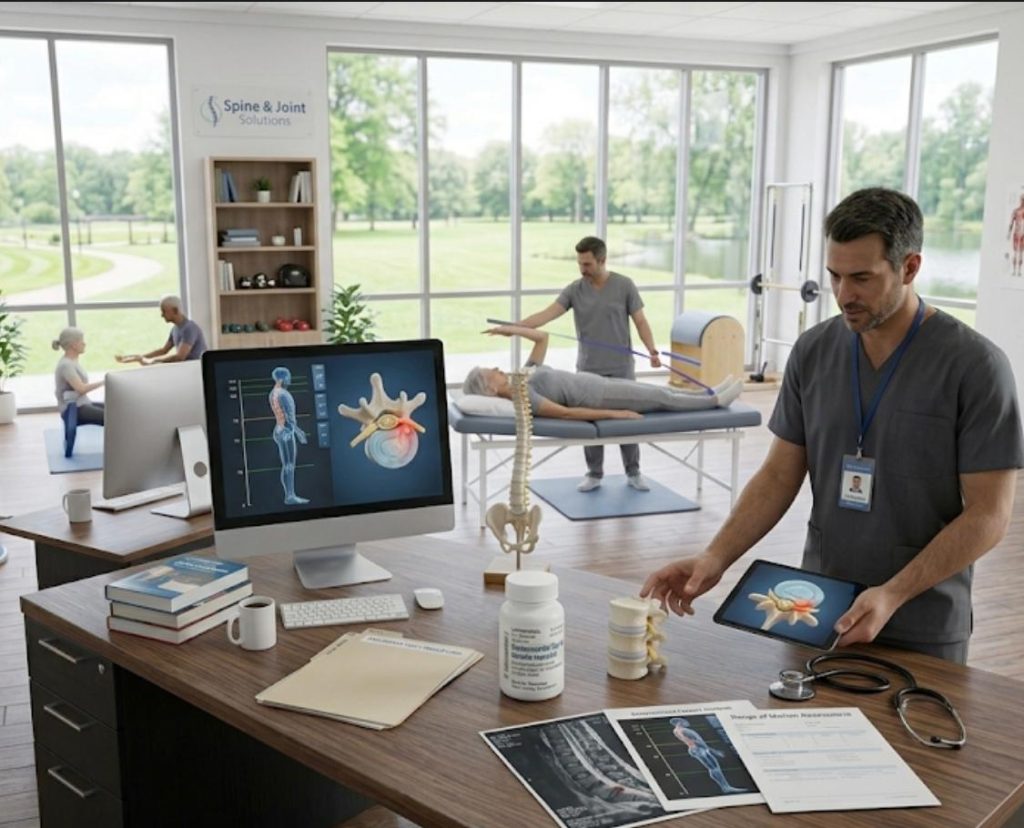
Throughout two decades managing musculoskeletal conditions, certain patterns have emerged consistently. Patients who actively engage in their recovery understanding their condition, adhering to exercise programs, and making necessary lifestyle modifications invariably achieve superior outcomes compared to those seeking passive treatment alone.
One particularly instructive case involved a middle-aged warehouse worker with recurrent low back spasms causing repeated work absences. Initial treatment focused solely on symptom relief through medication. However, sustainable improvement required a comprehensive approach: targeted core strengthening, proper lifting technique training, workstation modifications, and weight reduction. Within six months, he experienced complete resolution of symptoms and returned to full work capacity.
This case exemplifies the principle that acute musculoskeletal conditions, while often treated with medication in the short term, ultimately require addressing underlying biomechanical, occupational, and lifestyle factors to achieve lasting relief.
Frequently Asked Questions
Q: How quickly should I expect muscle relaxants to provide relief from acute muscle spasms?
A: Most muscle relaxants, including carisoprodol, provide noticeable relief within 30 to 60 minutes of administration, with peak effects occurring at 1-2 hours. However, complete resolution of symptoms typically requires several days of treatment combined with rest, physical therapy, and other supportive measures. If you experience no improvement within 48-72 hours, contact your healthcare provider for reassessment.
Q: Can I continue exercising when experiencing muscle pain and spasms?
A: This depends on the severity and underlying cause. For mild muscle soreness following exercise (DOMS), light activity often helps by promoting blood flow. However, acute severe spasms or pain with sharp, sudden onset require initial rest for 24-48 hours before gradually resuming activity. Sharp pain during movement, significant weakness, or symptoms that worsen with activity indicate the need for medical evaluation before continuing exercise. Always listen to your body and avoid pushing through severe pain.
Q: What is the safest way to purchase prescription muscle relaxants like carisoprodol online?
A: To safely buy prescription medications online, you must first obtain a valid prescription from a licensed healthcare provider who has properly evaluated your condition. Then, purchase only from pharmacies verified through the NABP’s VIPPS program or from legitimate telemedicine platforms that connect you with licensed practitioners and use accredited pharmacy partners. Never acquire controlled substances from websites that do not require prescription verification or that promise medications without medical evaluation, as these represent illegal operations selling potentially dangerous counterfeit products.
Q: How long should I take muscle relaxants for acute back spasms?
A: Muscle relaxants are indicated for short-term use, typically 2-3 weeks maximum for acute musculoskeletal conditions. Most patients experience significant improvement within the first week. Prolonged use beyond three weeks is generally not recommended due to risks of dependency, tolerance, and diminishing effectiveness. If symptoms persist beyond this timeframe, your healthcare provider should reassess for underlying conditions requiring different treatment approaches. The medication should be part of a comprehensive treatment plan including physical therapy and activity modification, not a standalone long-term solution.
Q: Are there natural alternatives to prescription muscle relaxants that actually work?
A: Several evidence-supported non-prescription approaches can effectively manage mild-to-moderate muscle spasms and pain. Magnesium supplementation (300-400mg daily) helps prevent spasms related to deficiency, particularly nocturnal leg cramps. Topical arnica, essential oils like lavender or peppermint applied in carrier oils, and oral herbal preparations including valerian and passionflower demonstrate muscle-relaxing properties, though with more modest effects than prescription medications. Epsom salt baths (magnesium sulfate), cherry juice for exercise-related soreness, and turmeric for its anti-inflammatory properties also provide benefit. However, for severe acute spasms causing significant functional impairment, these natural approaches work best as complementary treatments alongside conventional medical management rather than as replacements.
Authoritative Medical and Scientific References
This article is grounded in current evidence-based medical literature and clinical practice guidelines. The following authoritative sources informed the content:
1.National Institute of Neurological Disorders and Stroke (NINDS) – Comprehensive resources on muscle disorders, spasms, and pain pathophysiology.
2.American Academy of Orthopaedic Surgeons (AAOS) – Clinical practice guidelines for the management of acute musculoskeletal pain and evidence-based treatment protocols.
3.PubMed Central – National Library of Medicine – Peer-reviewed research including systematic reviews and meta-analyses on muscle relaxant efficacy, comparative treatment effectiveness, and long-term outcomes in musculoskeletal disorders.
4.Mayo Clinic – Musculoskeletal Medicine Department – Evidence-based patient care resources and clinical expertise in muscle pain and spasm management.
5.Sanki Health Acupuncture – A way of life acupuncture: practice of Japanese Hari Style Acupuncture unencumbered by the limitations.
6.American College of Sports Medicine (ACSM)- Guidelines on exercise-related muscle injury, prevention strategies, and rehabilitation protocols .
Related Post
Modern Approaches to Erectile Dysfunction
Executive Medical Overview & Pathophysiology in 2026 Erectile dysfunction (ED) represents one of the most…
2 thoughts on “Advanced Muscle Spasm and Pain Treatment Strategies 2026”
Comments are closed.